Materializing the unseen through care, inquiry, and design.
Yihan Dong is a research-driven designer working across bodies, materials, ecologies, and everyday systems. Her practice explores how hidden conditions can become more tangible through objects, workshops, and speculative forms. From women’s health and respiratory care to regenerative materials, playful learning, and ecological futures, she develops projects that bring overlooked relationships into view at both intimate and systemic scales.
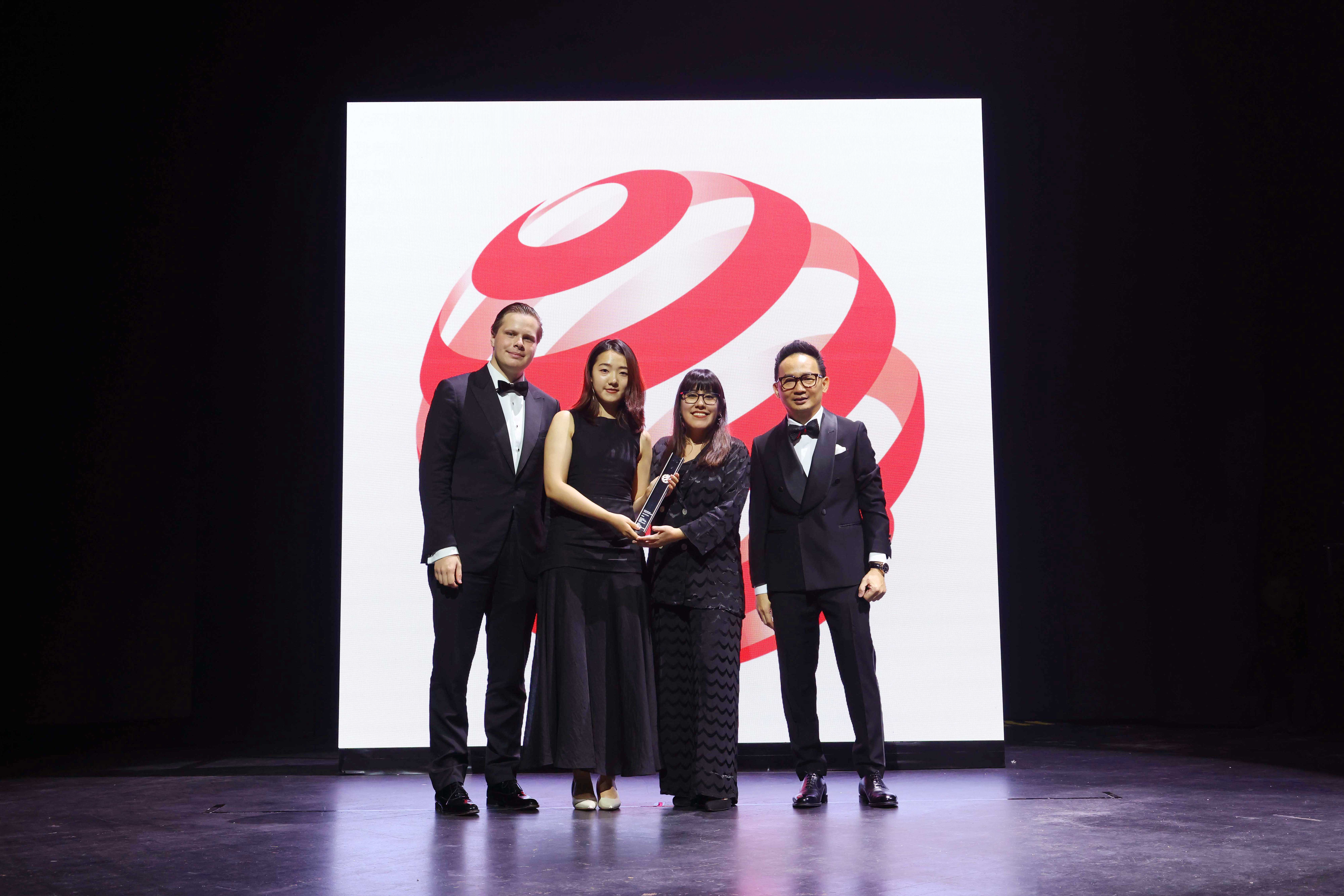
Working across disciplines and in collaboration with scientists, engineers, communities, and cultural institutions, Dong approaches design as a way of revealing what is often ignored, difficult to sense, or socially silenced. She is currently pursuing a practice-based PhD at the Institute of Education (UCL Knowledge Lab) on embodied practices with energy technologies, while continuing to develop ViWipe, an ongoing women’s health project in collaboration with Imperial College London. Her work has received international recognition, including Red Dot: Best of the Best, the James Dyson Award UK National Winner, and the D&AD Future Impact Pencil, and has been featured by Dezeen, The Times, Sky TV, and the Red Dot Design Museum.
These projects are connected by an interest in what usually remains unseen: tabooed bodily conditions, undervalued materials, ecological processes, sensory relations, and the quiet systems that shape everyday life. Working across material experimentation, design engineering, computational design, public engagement, and playful learning, Yihan Dong develops projects that turn these often-invisible conditions into forms that can be touched, worn, discussed, sensed, or imagined. Some are intimate and body-near, some are speculative and systemic, others invite children and families to explore through making and play. Together, they reflect an ongoing practice of materializing the unseen through care, inquiry, and design.
2022–ongoing
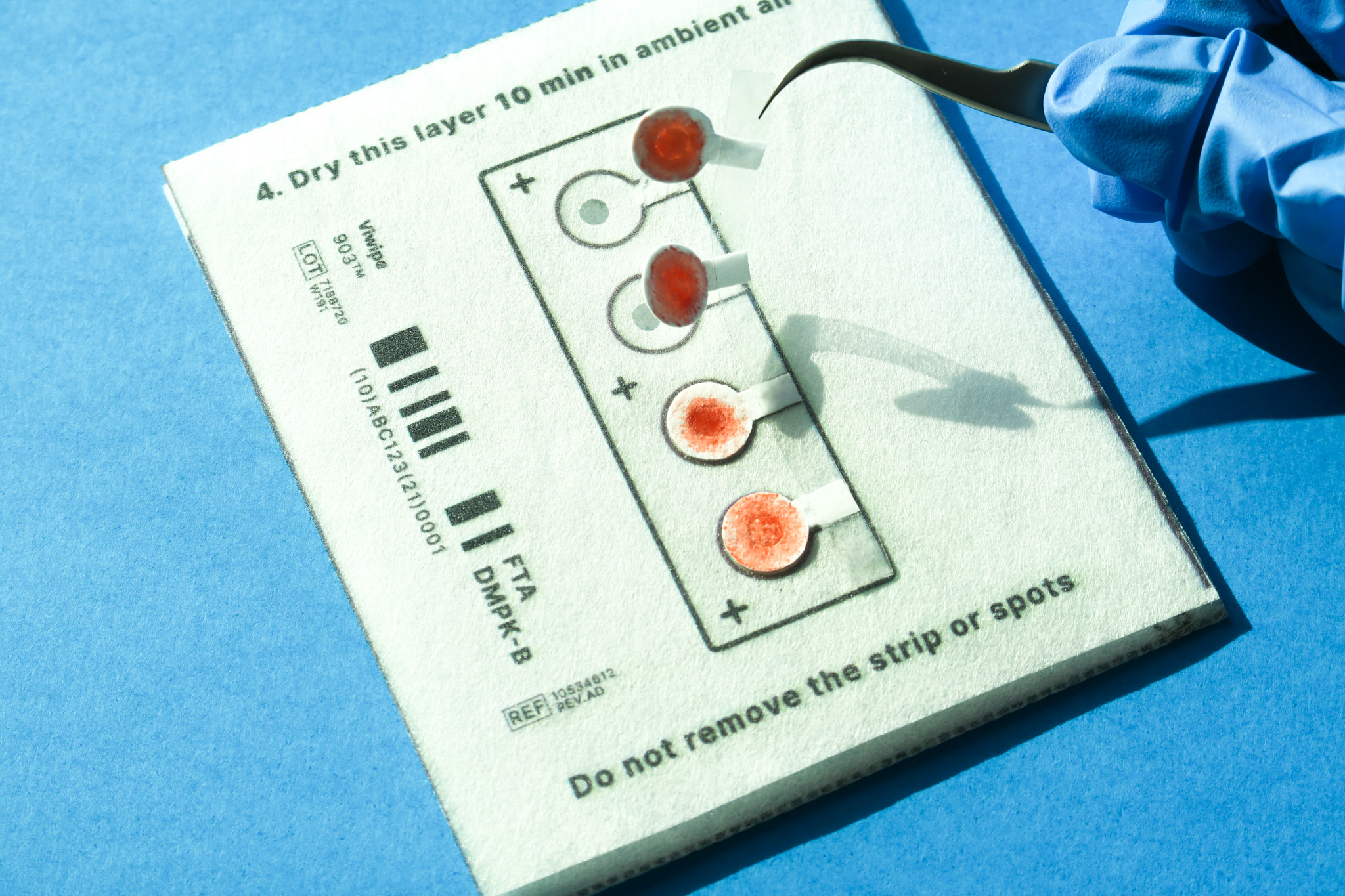
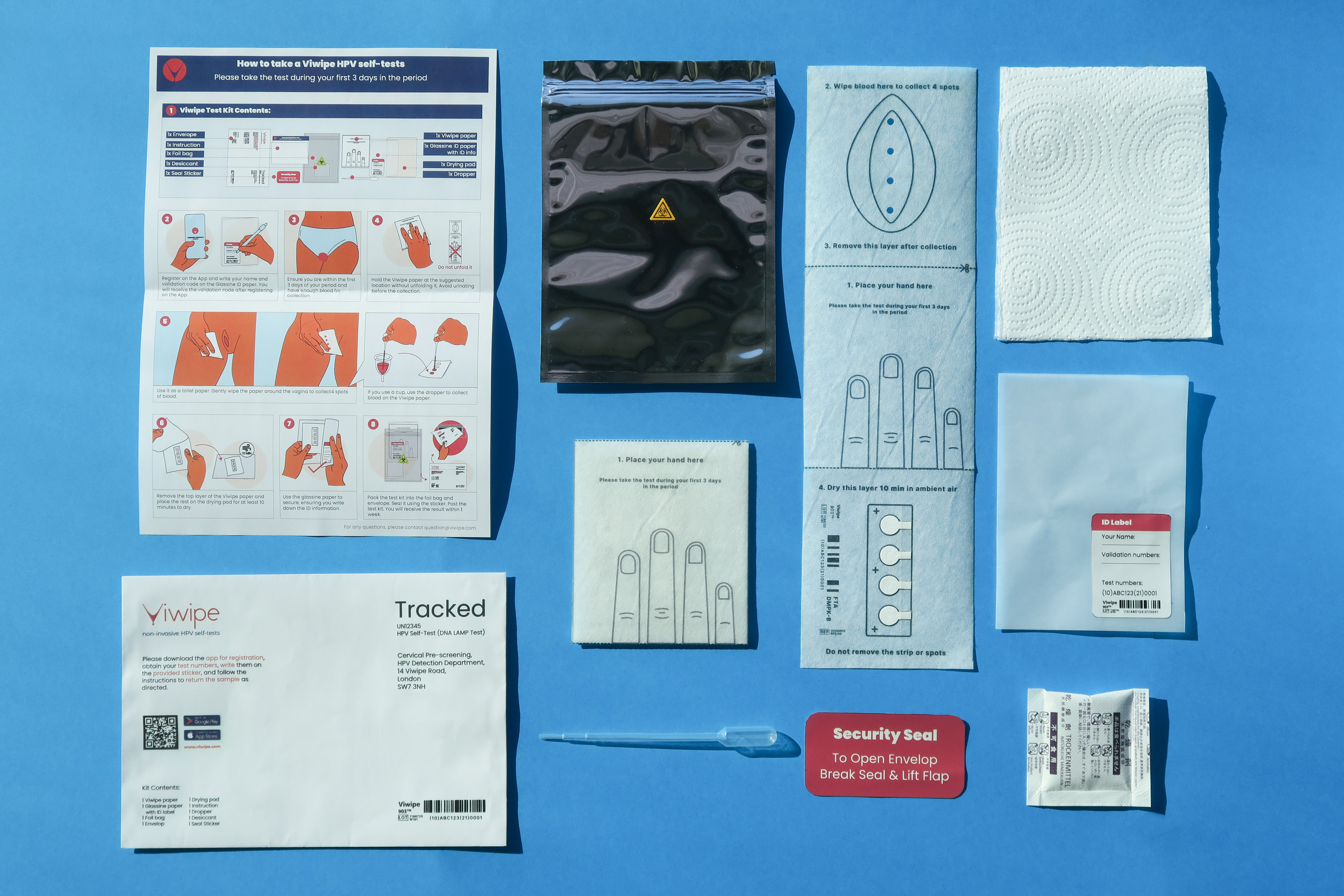
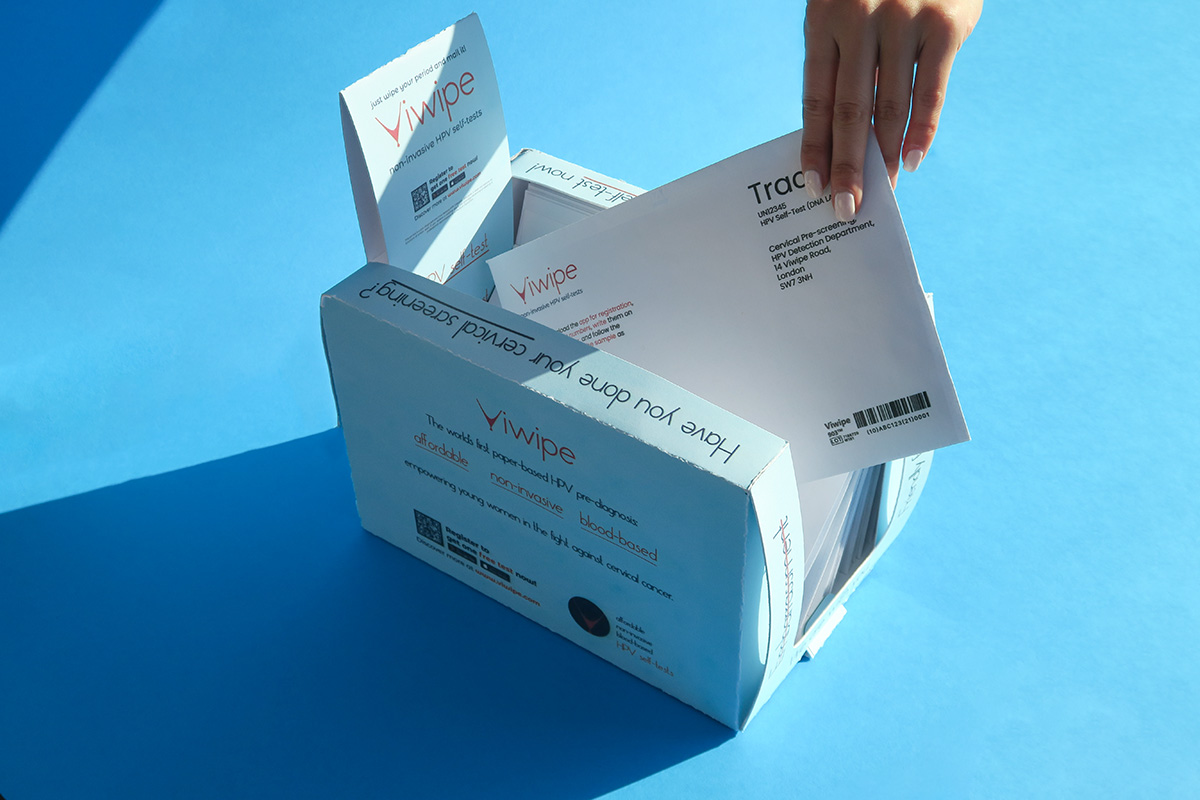
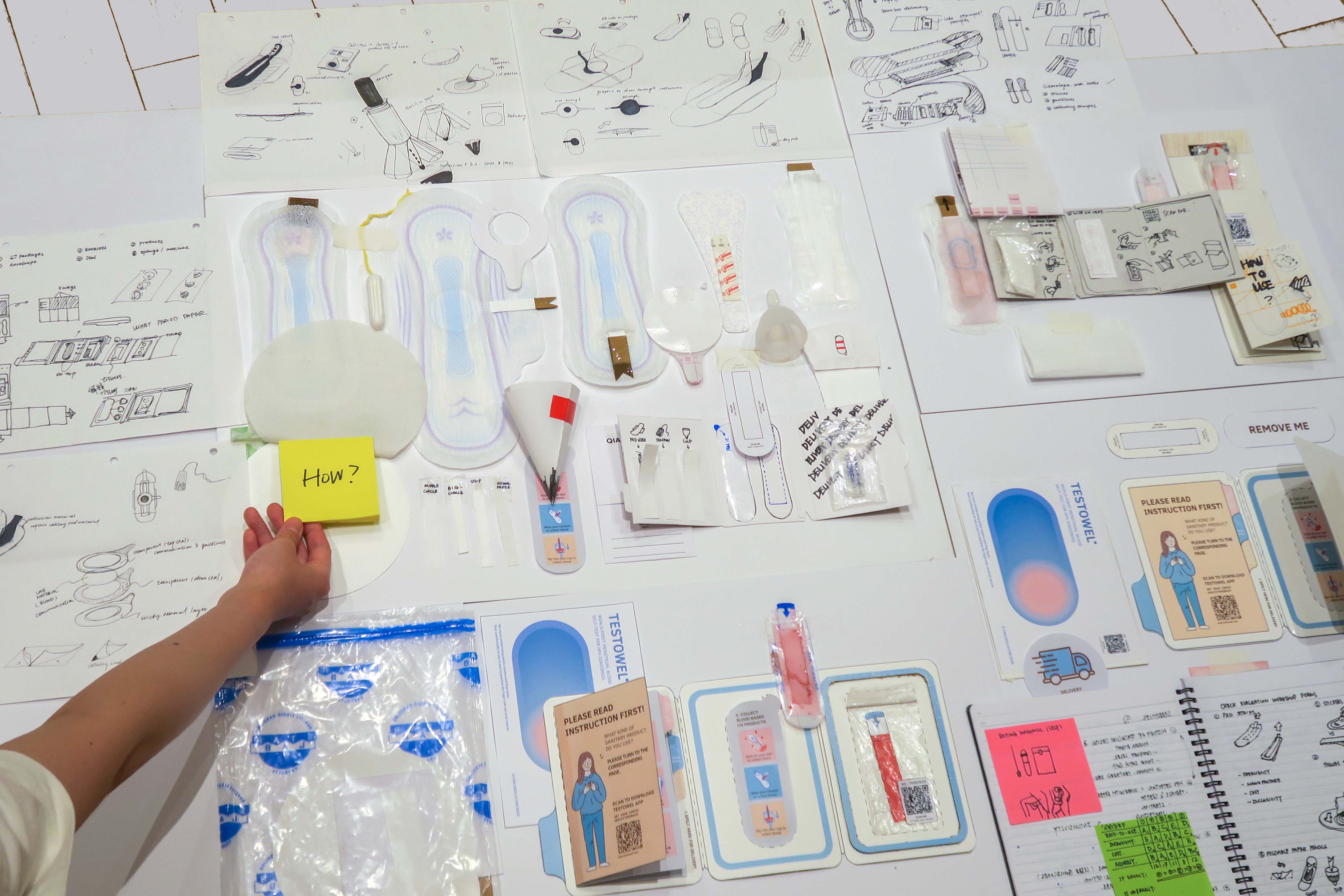
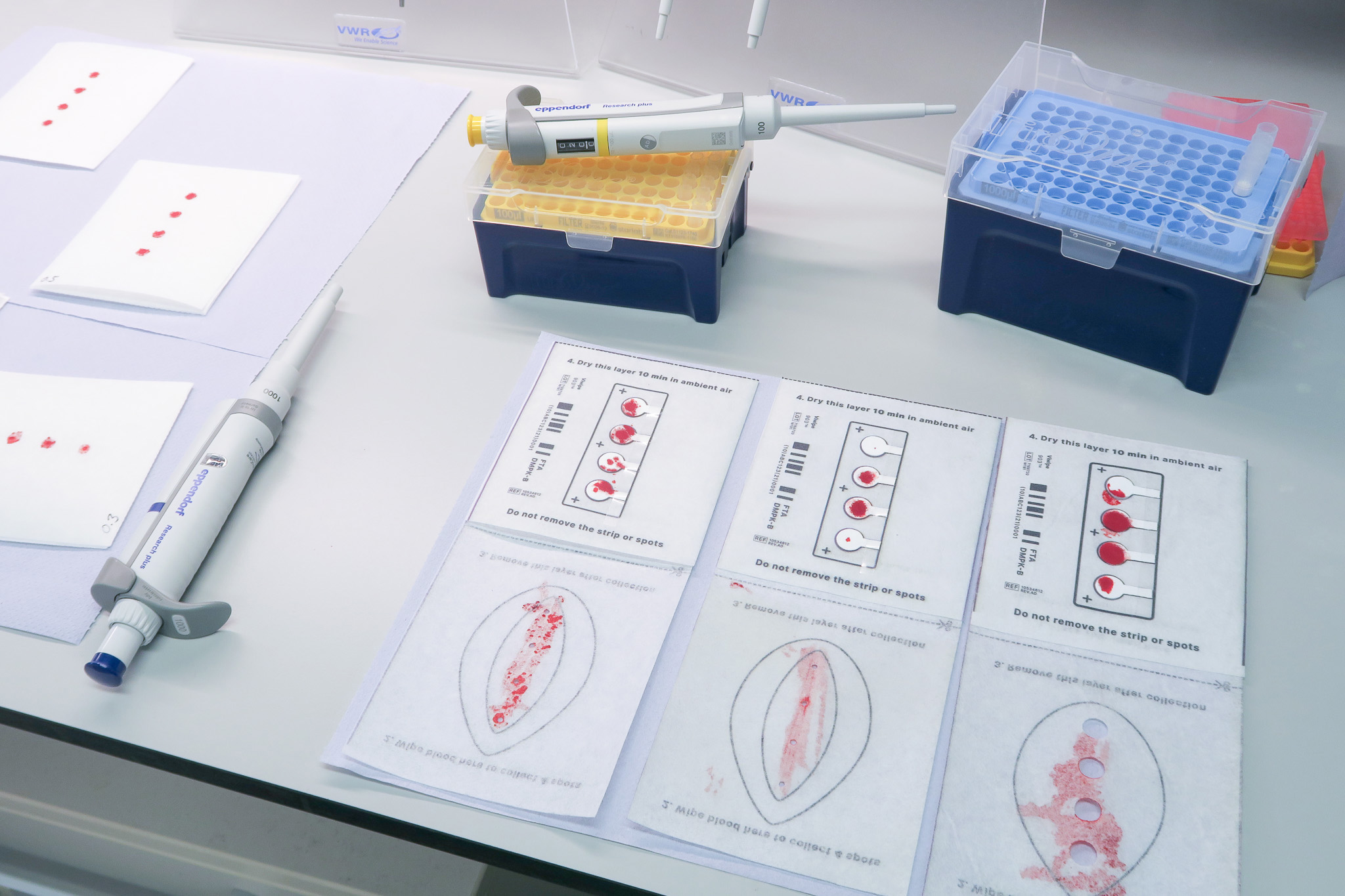
ViWipe is an ongoing project by Yihan Dong and scientist Kenny Malpartida-Cardenas that rethinks menstrual blood as a valuable biological material rather than a taboo waste, combining design research, public engagement, and grant-supported health innovation across diagnostics, care, and cultural change.
More…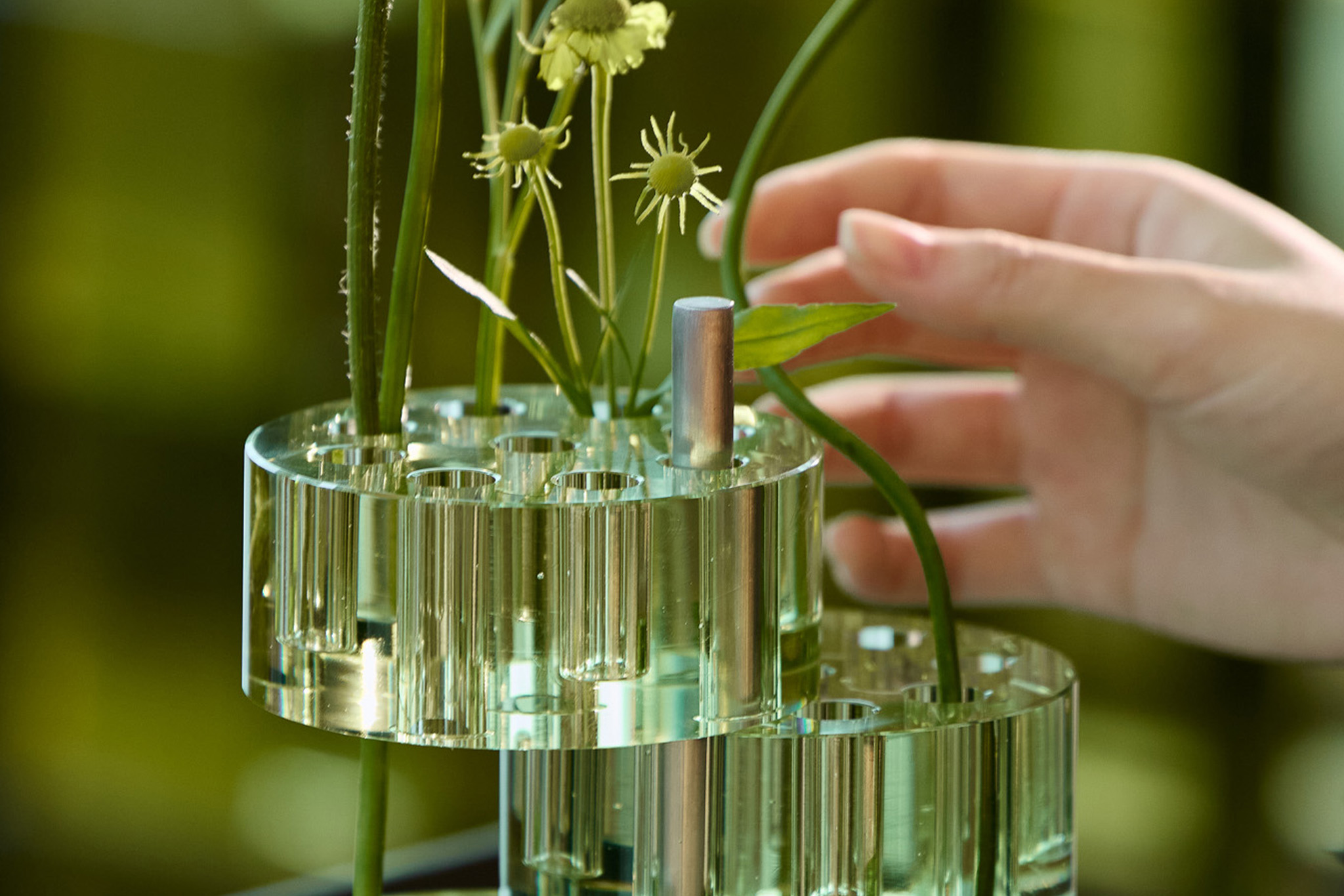
2025
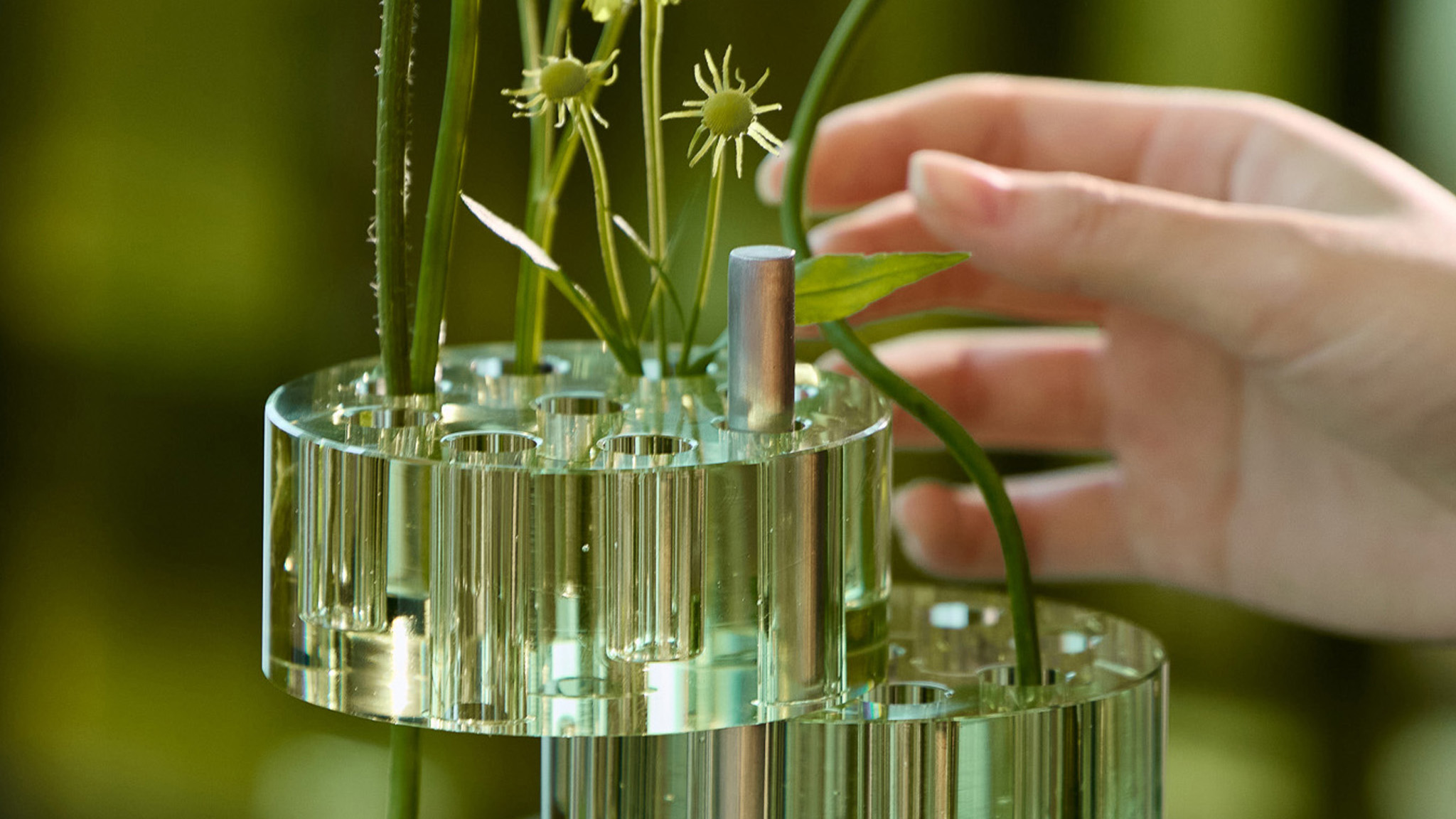
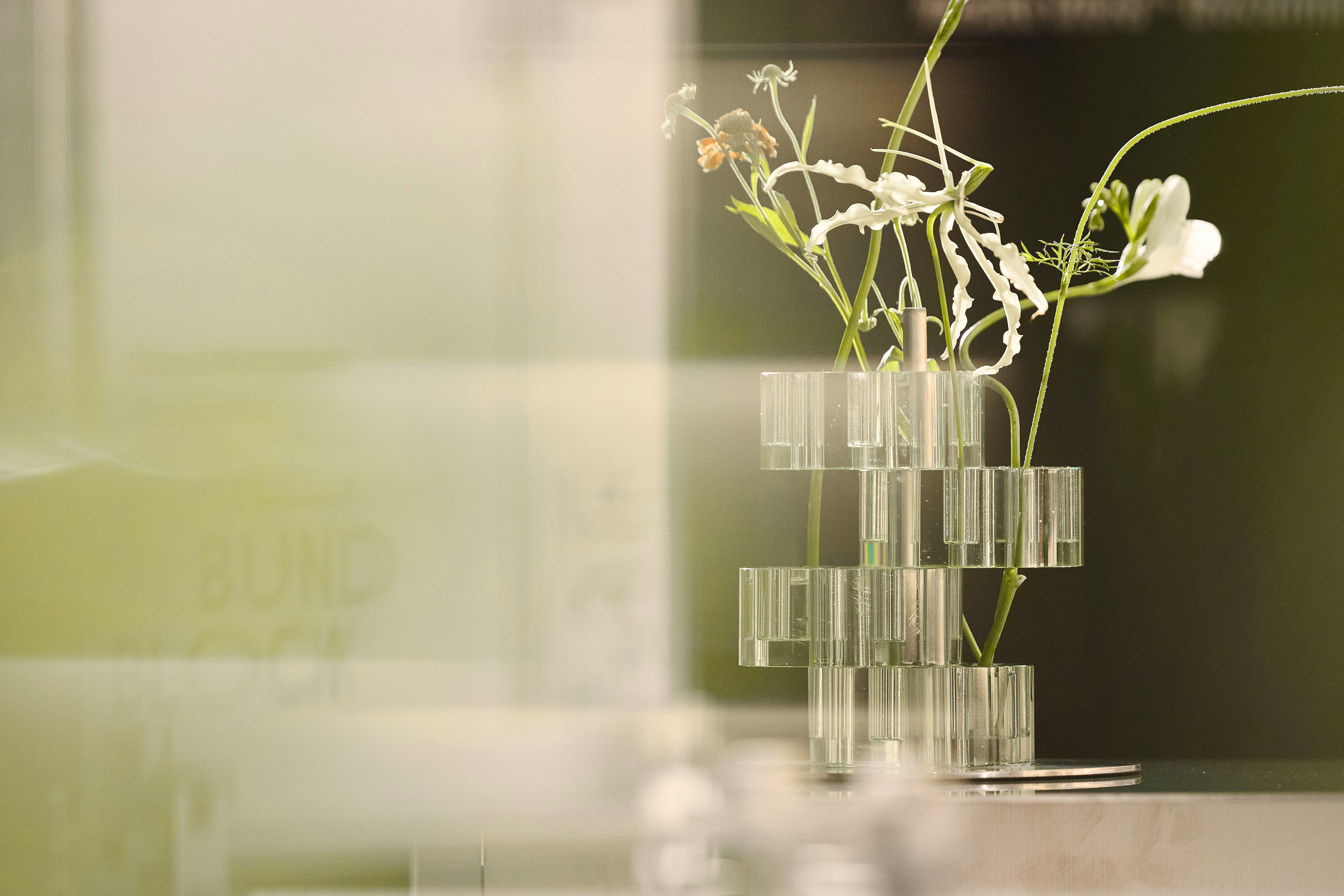
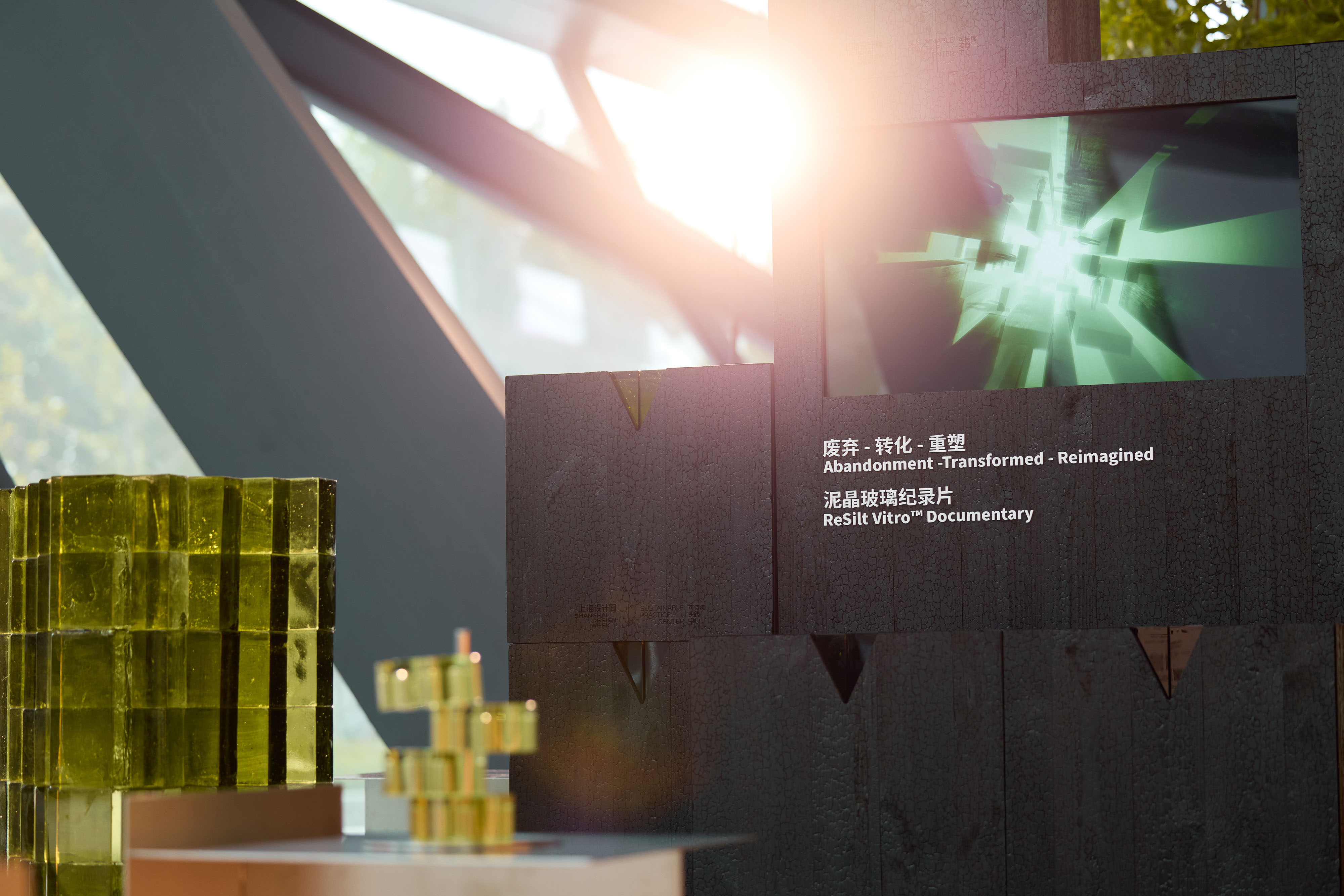
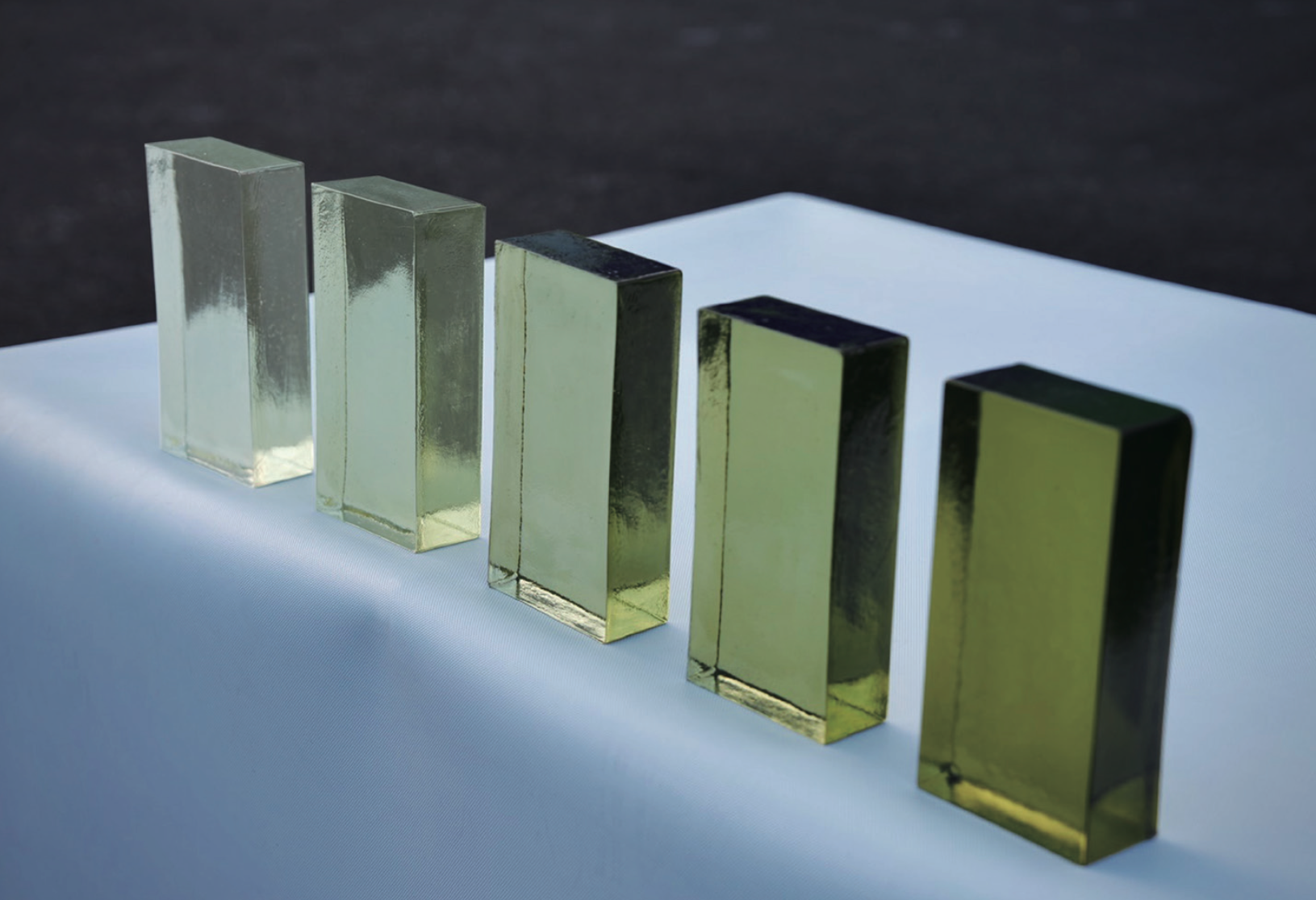
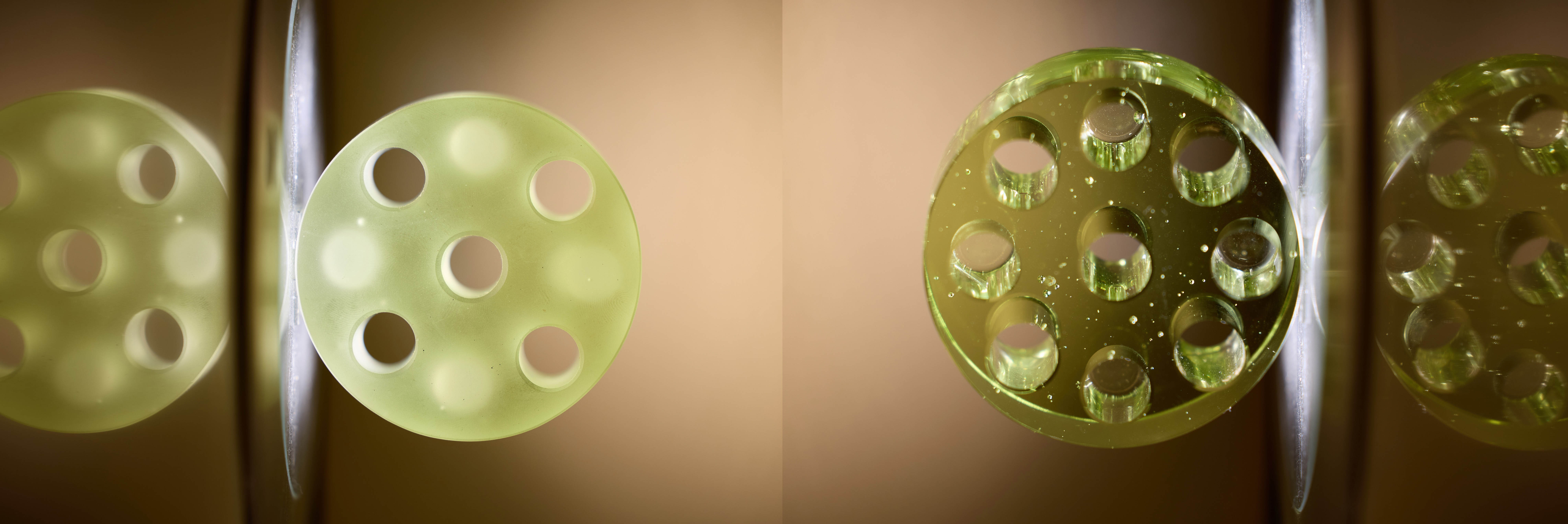
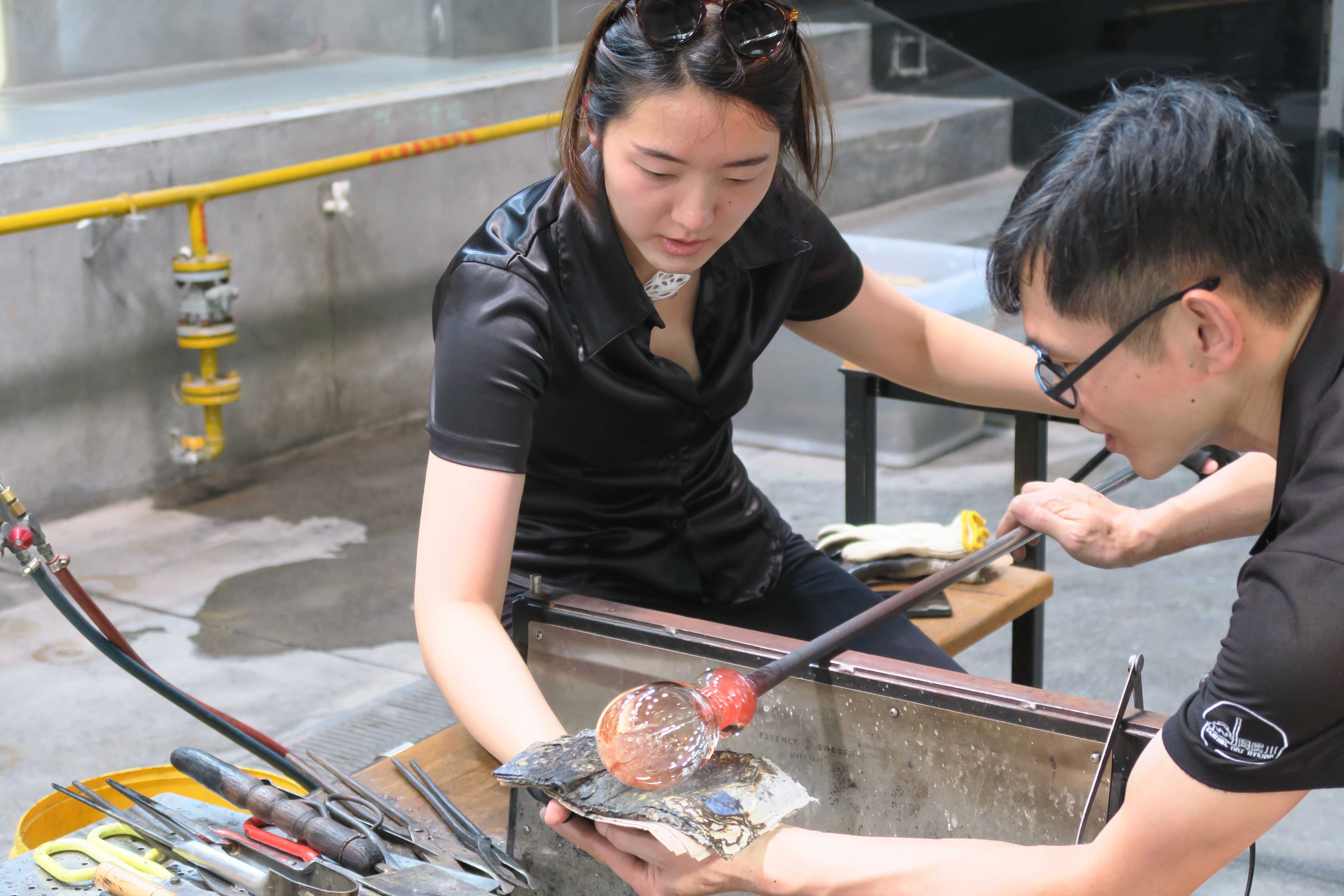
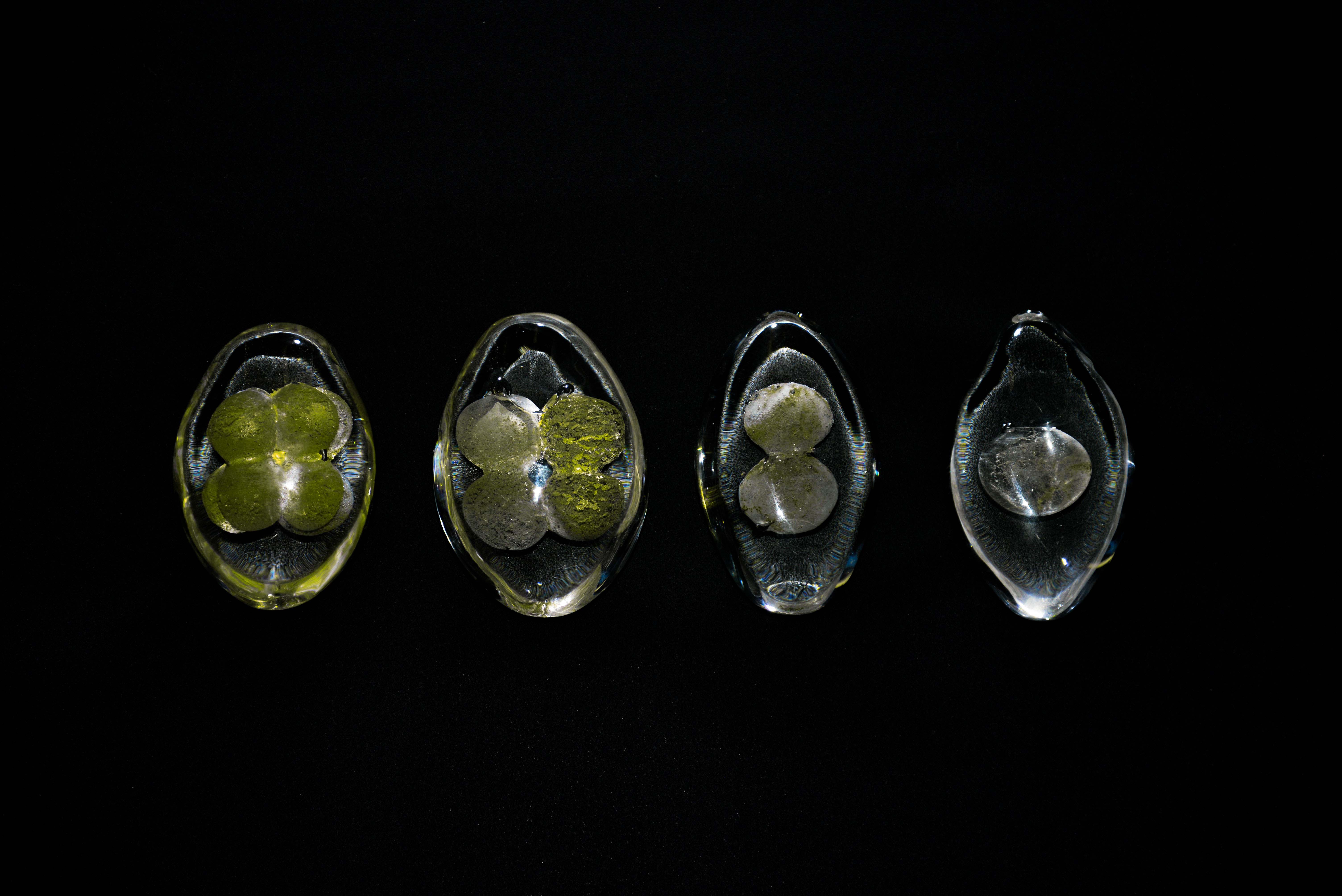
Silt Crystal Glass transforms toxic urban sludge into translucent green glass, turning hidden urban residue into a material language of care and regeneration. Developed with Shanghai Design Week, the project spans material testing, color and texture exploration, product applications, and fish-roe-inspired prototypes shaped by an ecofeminist narrative of maternal metabolism and new life.
More…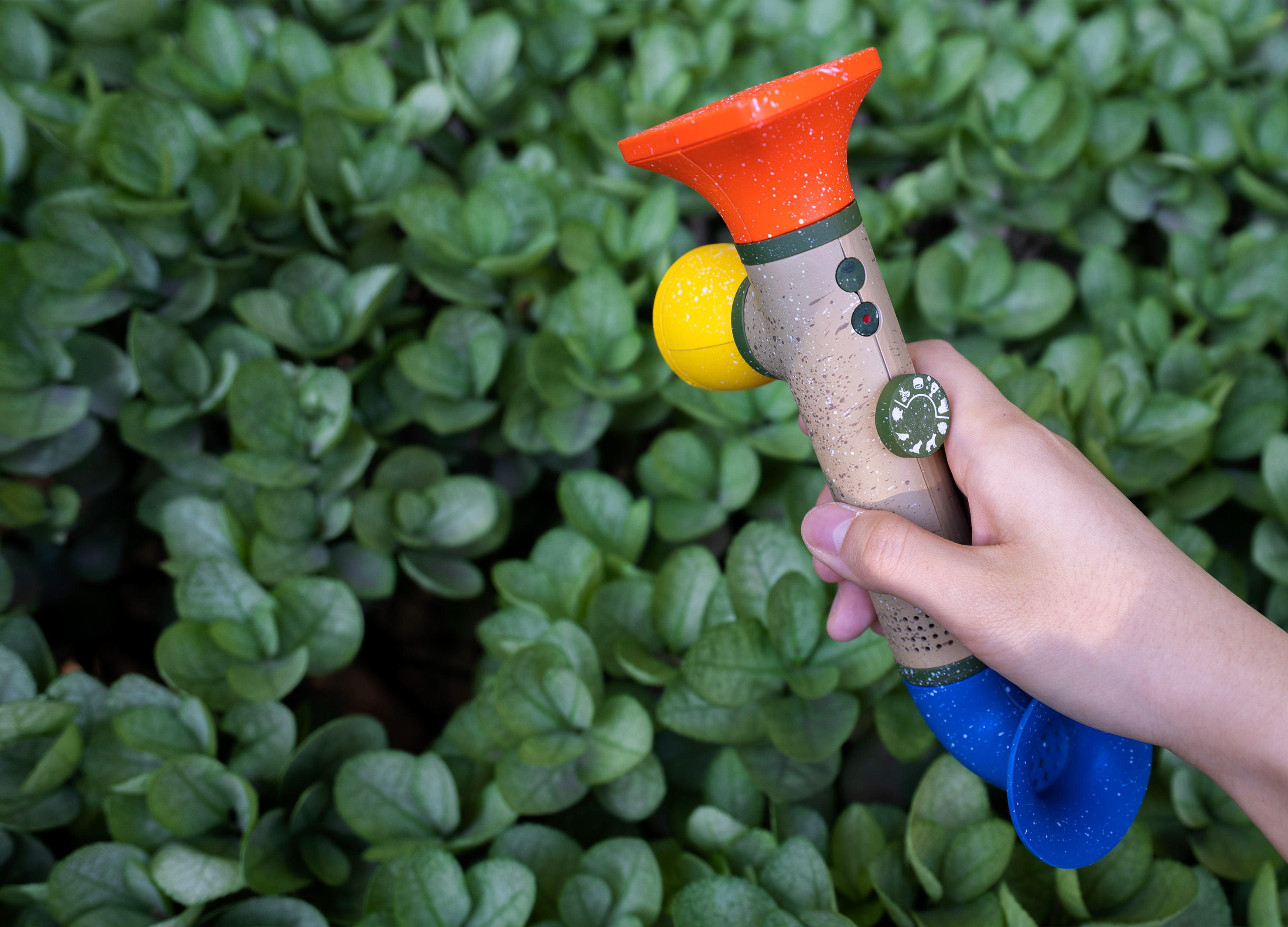
2023–ongoing
Greenlody is a modular play system that helps children turn color, temperature, and natural sound into music, using sensory exploration to materialize the often-unnoticed patterns of the outdoor world through play, curiosity, and care.
More…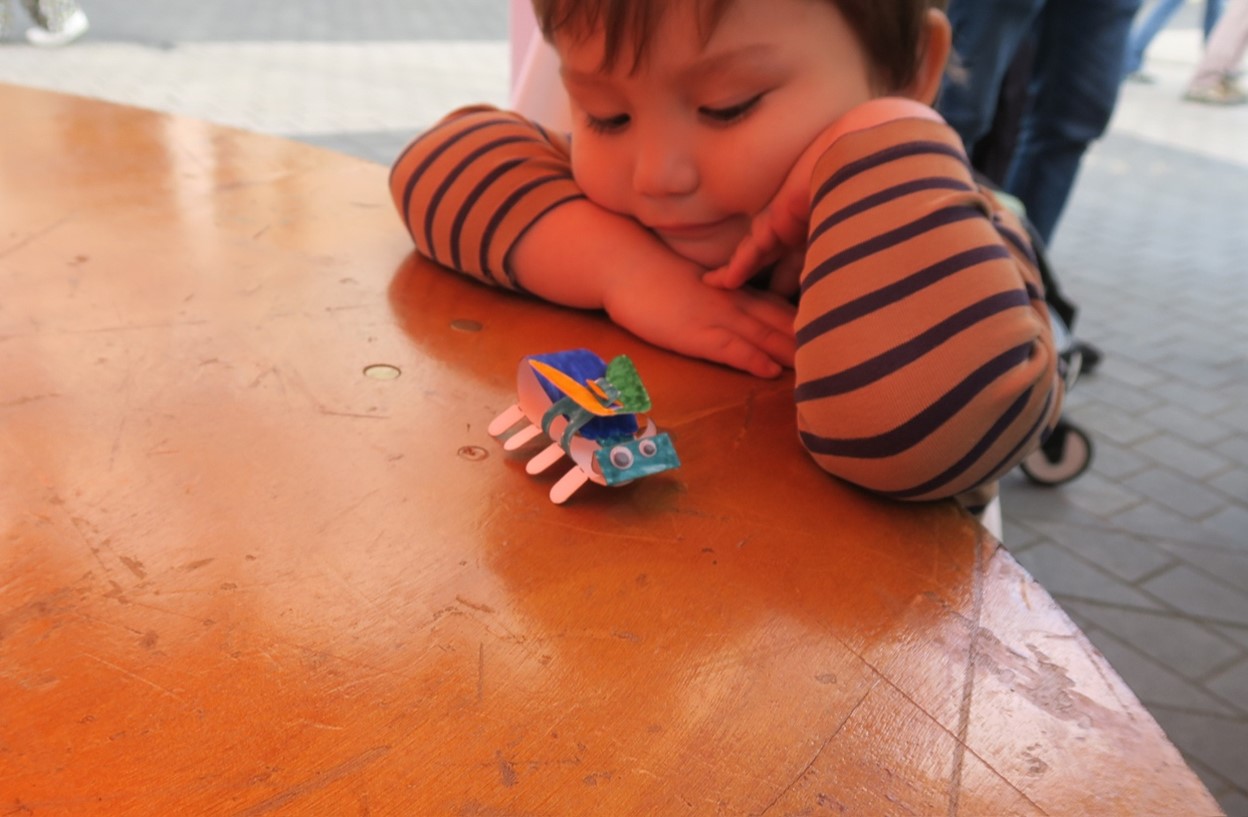
2024
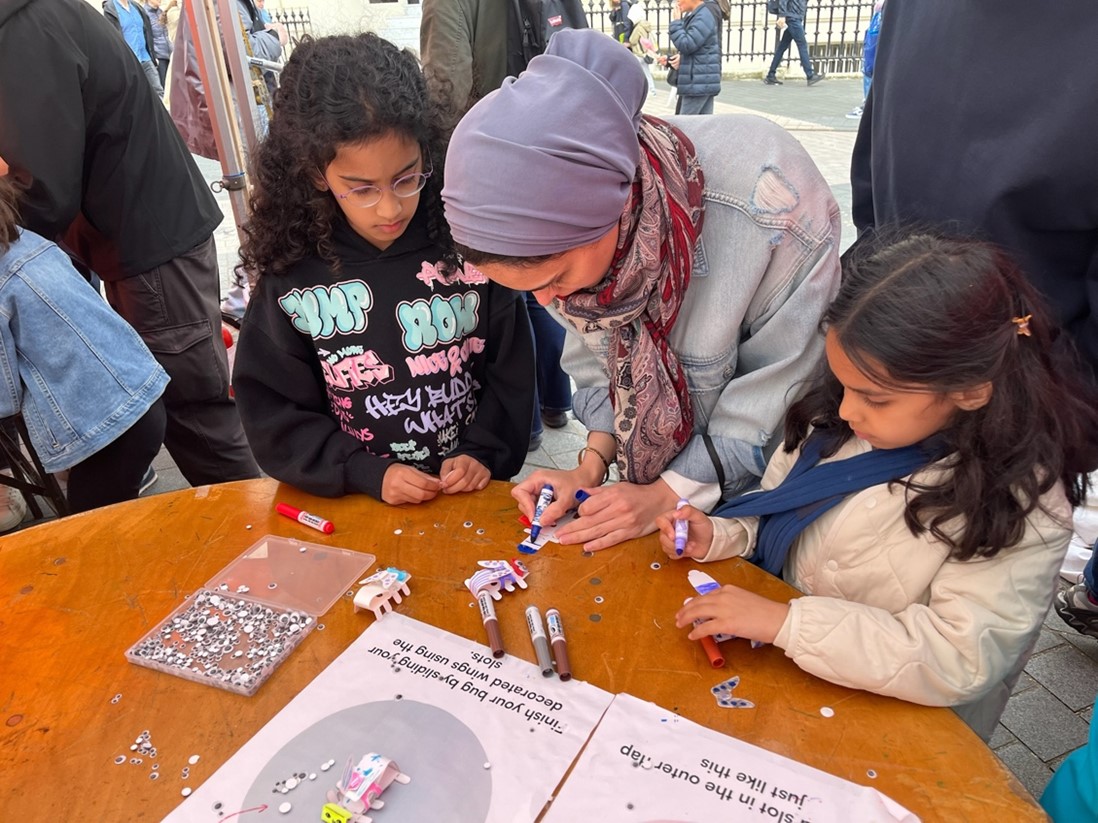
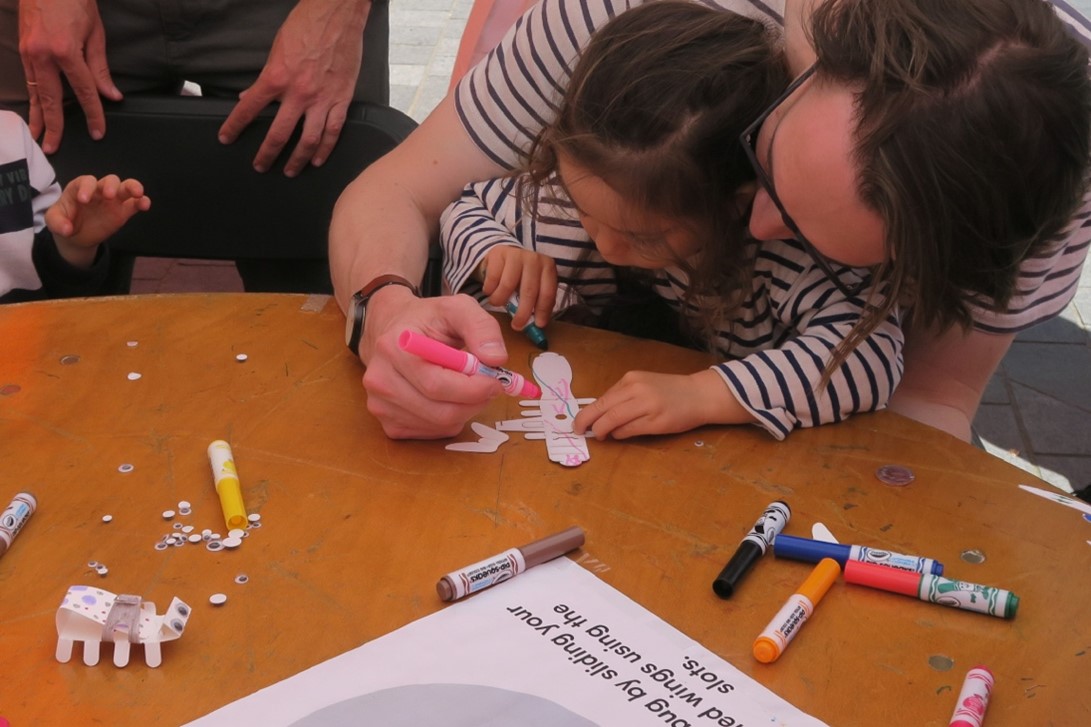
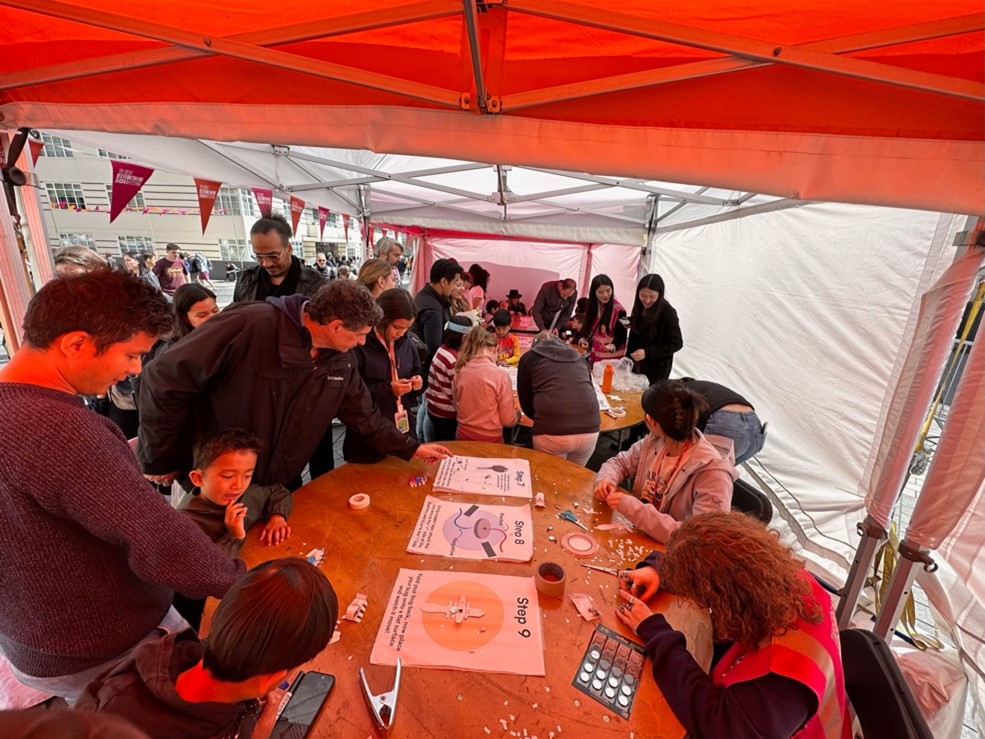
A hands-on workshop co-designed by Yihan Dong, Kara Wong, and Dian Lin, where children build moving paper creatures with simple circuits and explore motion, structure, and engineering through playful material inquiry.
More…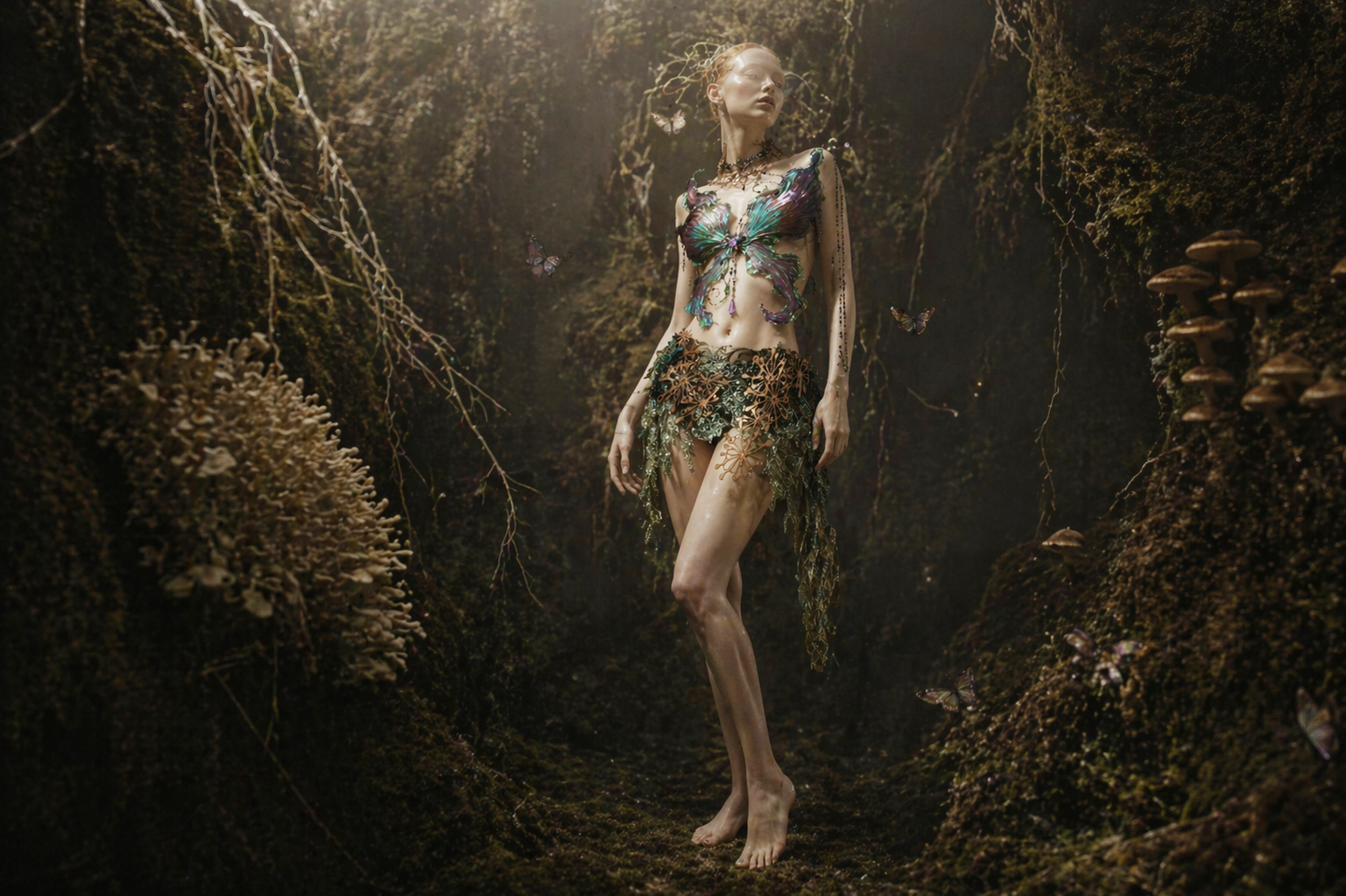
2025
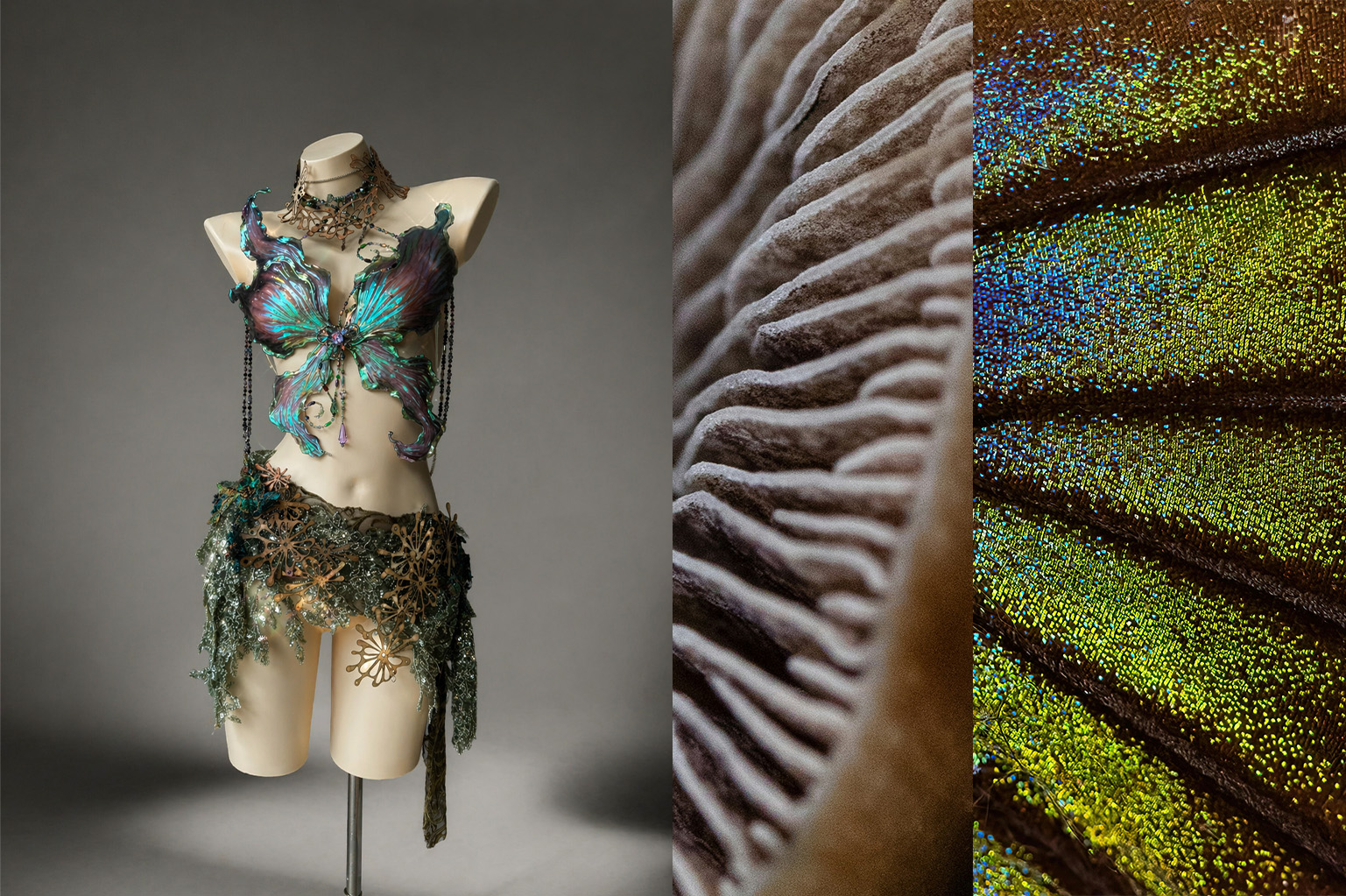
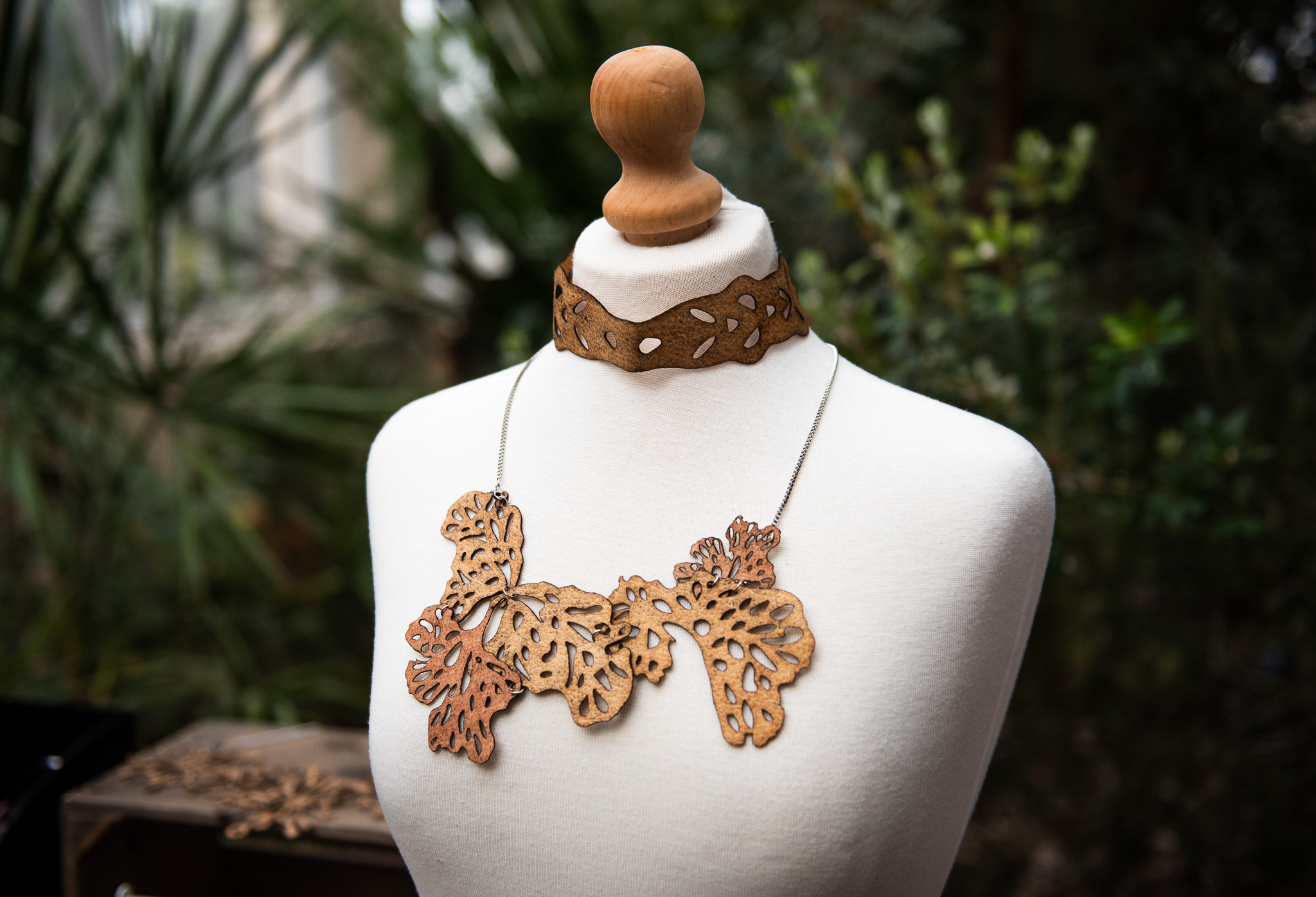
Iridescent Networks is a wearable material project combining a butterfly-wing-inspired bio resin bodice with mushroom leather jewelry and adornments. Developed with Mermaid Lucia and AgriCycle Innovation, it materializes the unseen yet essential worlds of insects and fungi through iridescent, organic forms shaped by care, decay, and renewal.
More…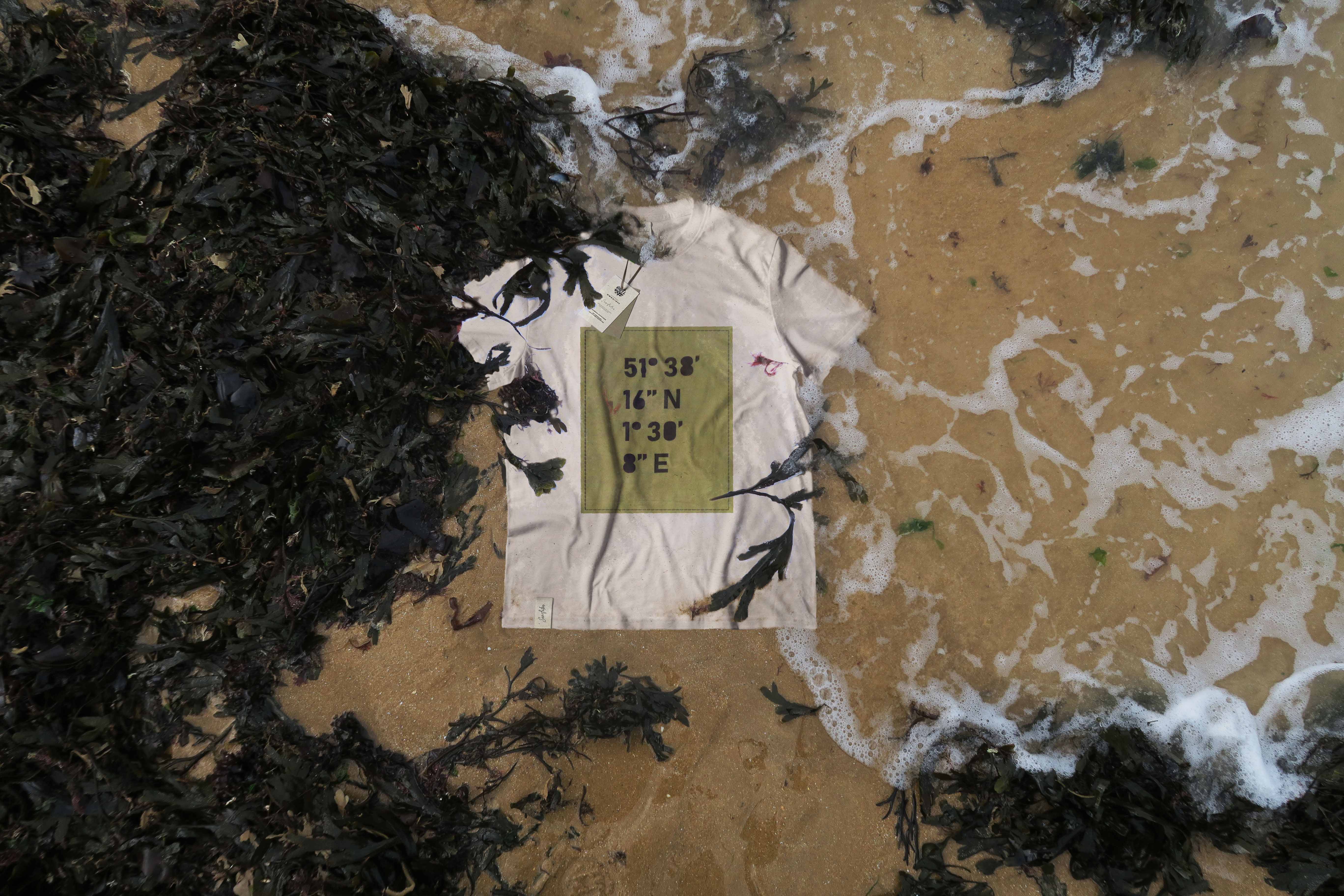
2021
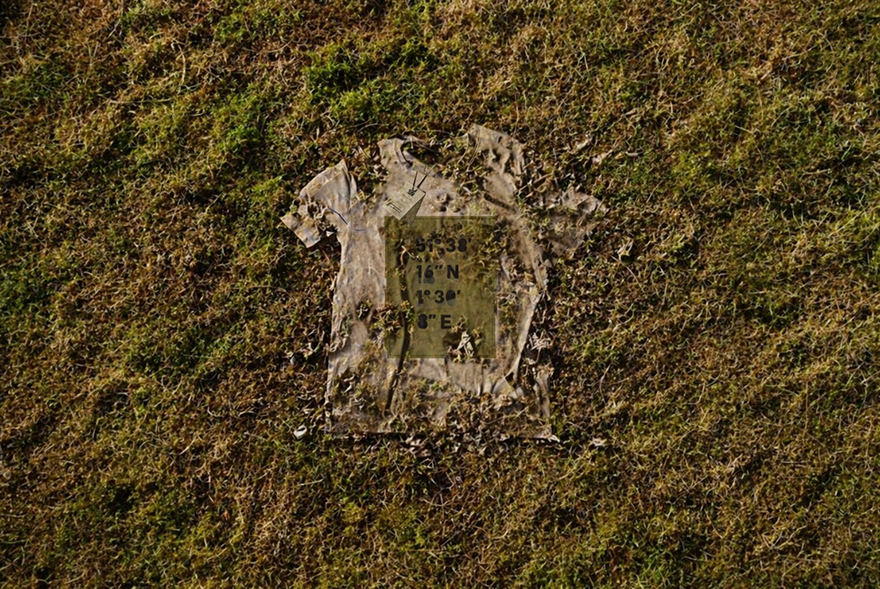
SeaFuture is a freshwater-free T-shirt project made from salt-tolerant plants and dyed with seaweed waste, reimagining everyday clothing through material experimentation, circular fashion, and a more ecological relationship between wear, time, and change.
More…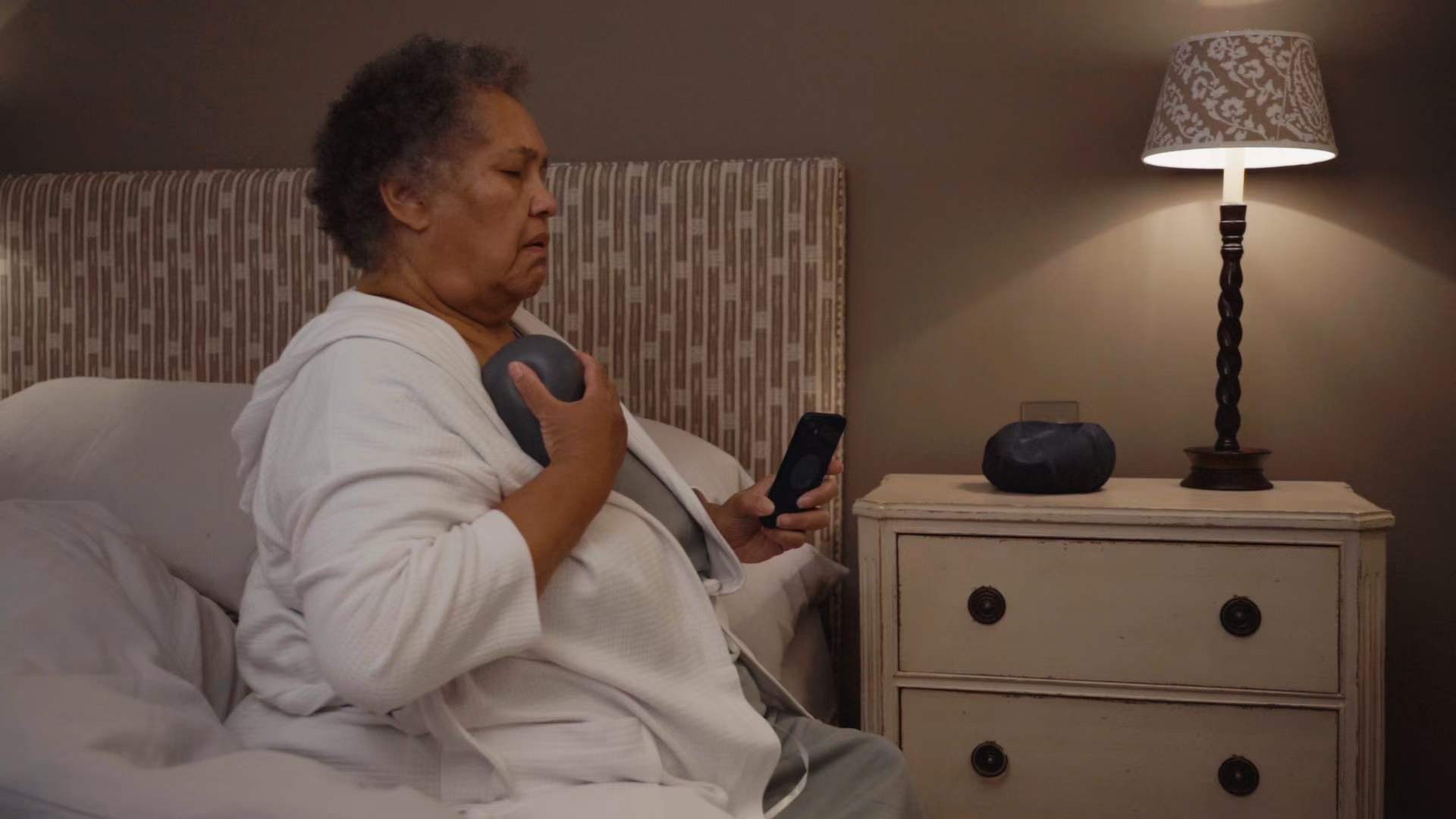
2023
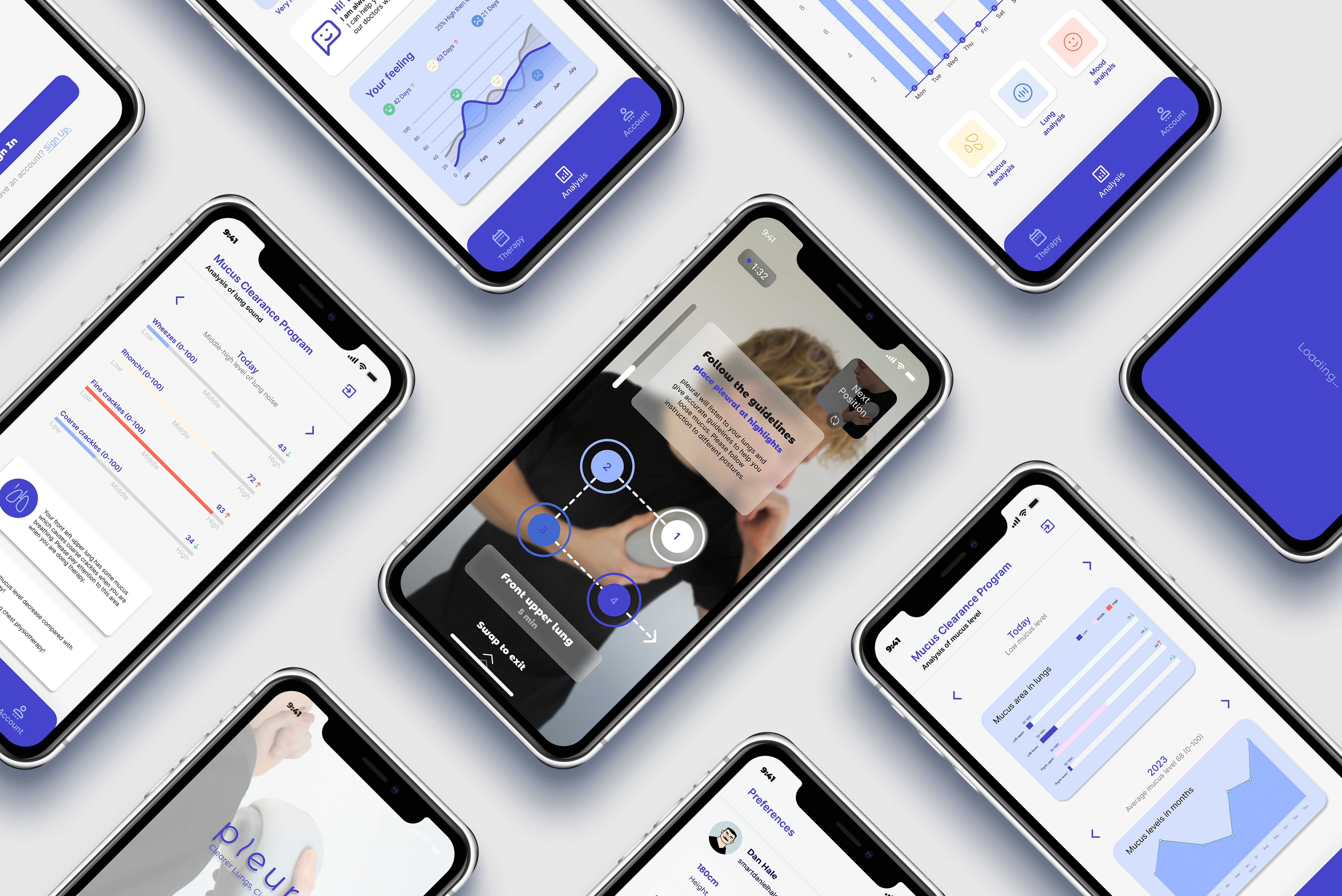
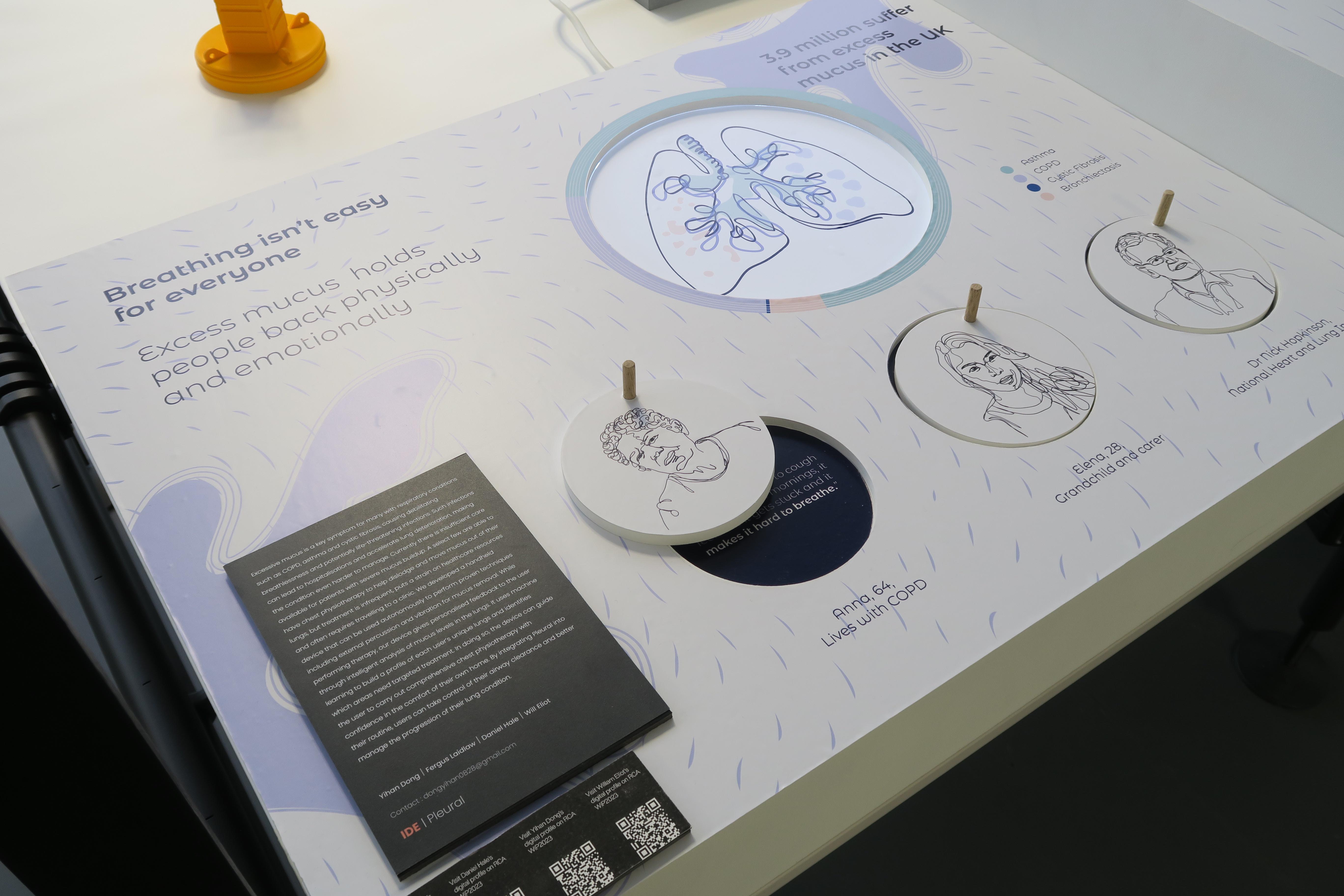
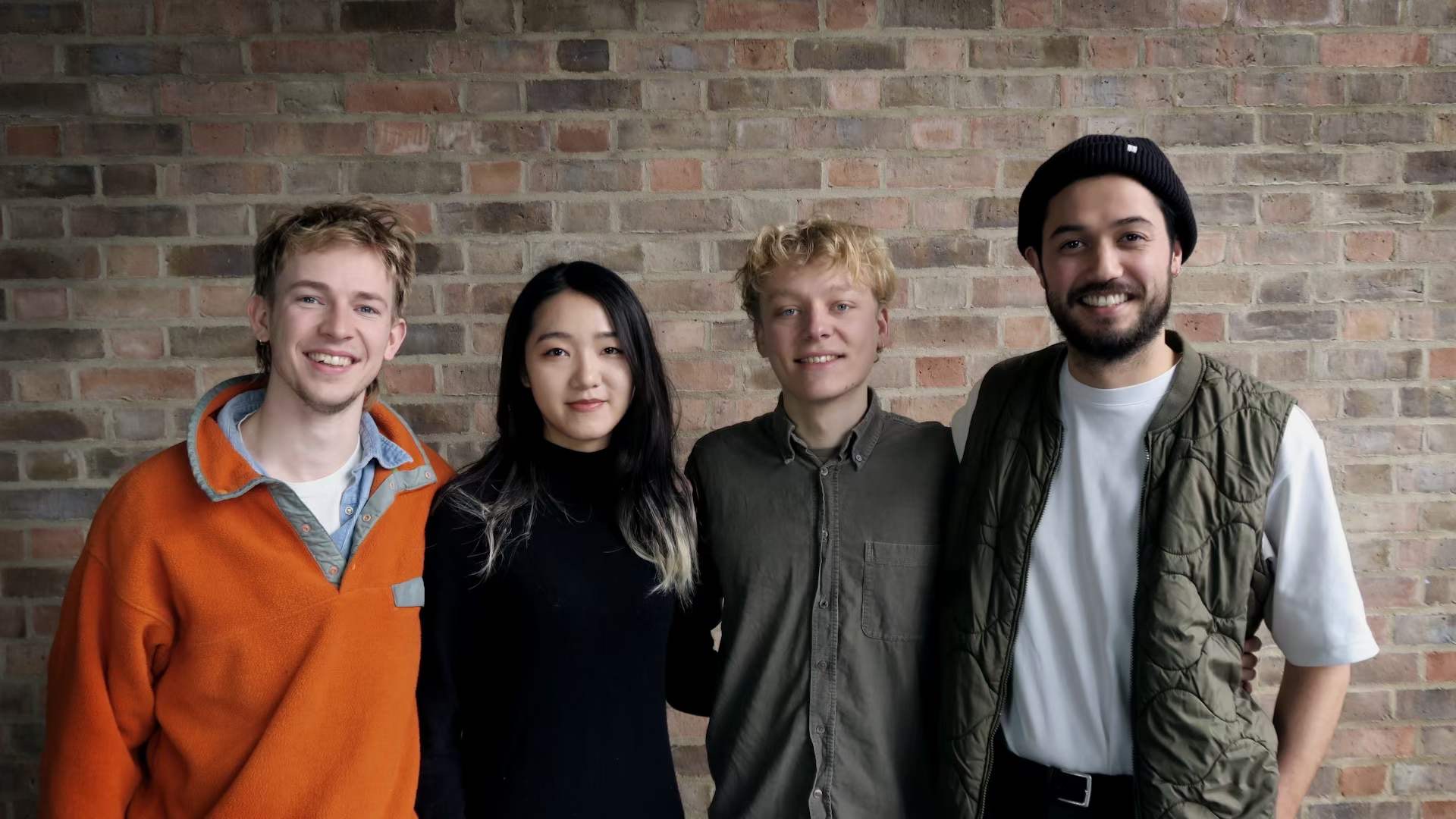
Pleural is a smart airway clearance system developed by Yihan Dong, Daniel Hale, Fergus Laidlaw, and William Eliot, bringing chest physiotherapy into the home through a more autonomous and human-centered approach to respiratory care.
More…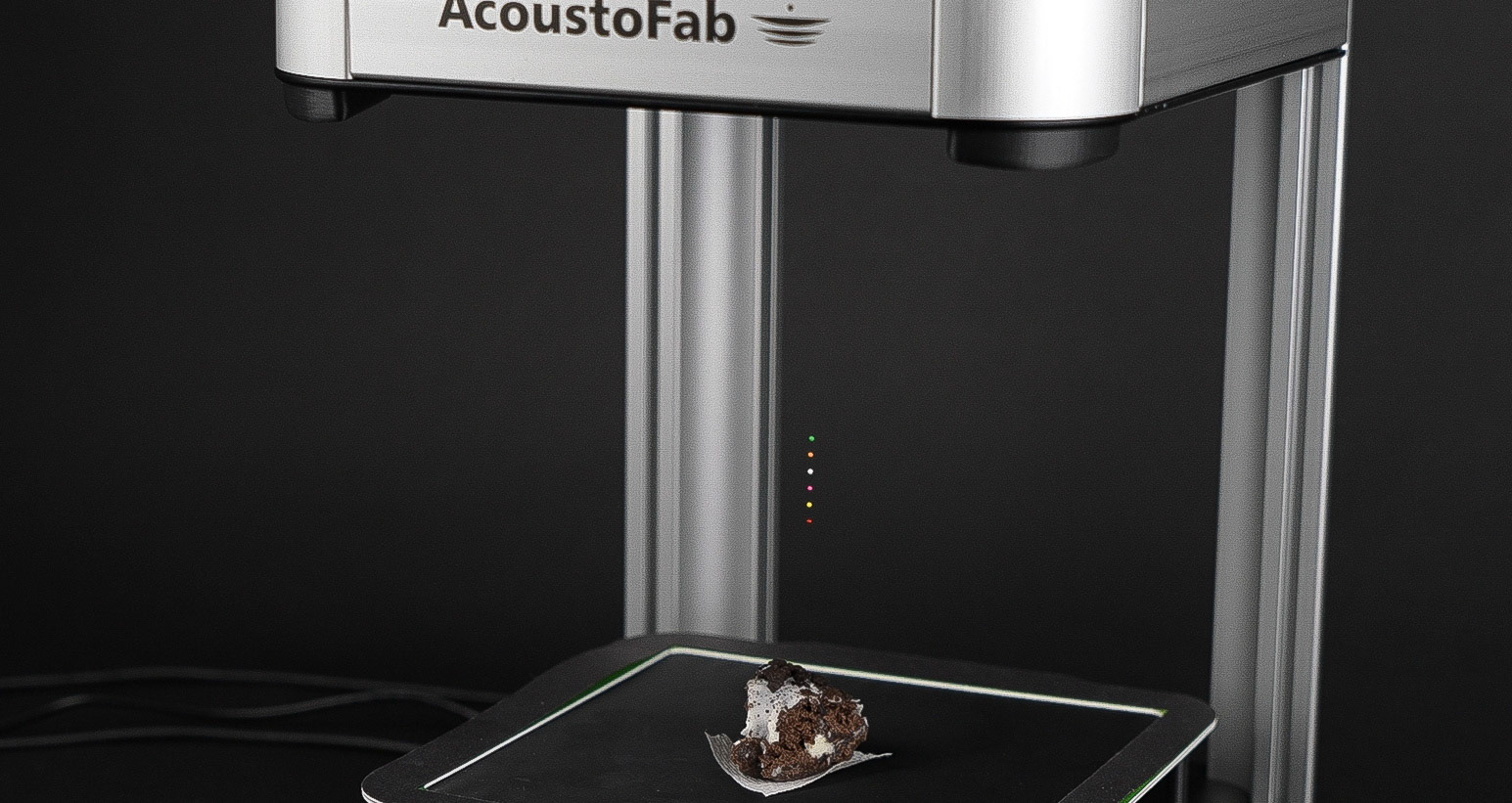
2023–2025
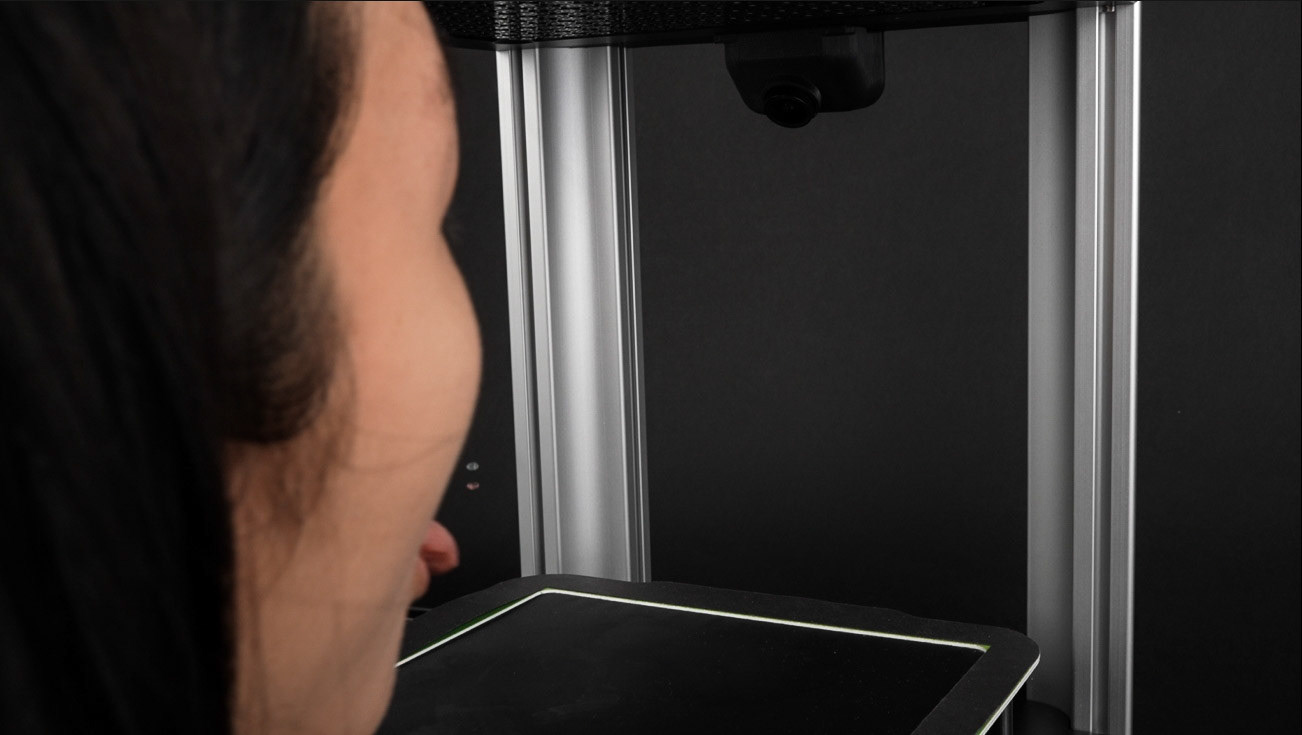
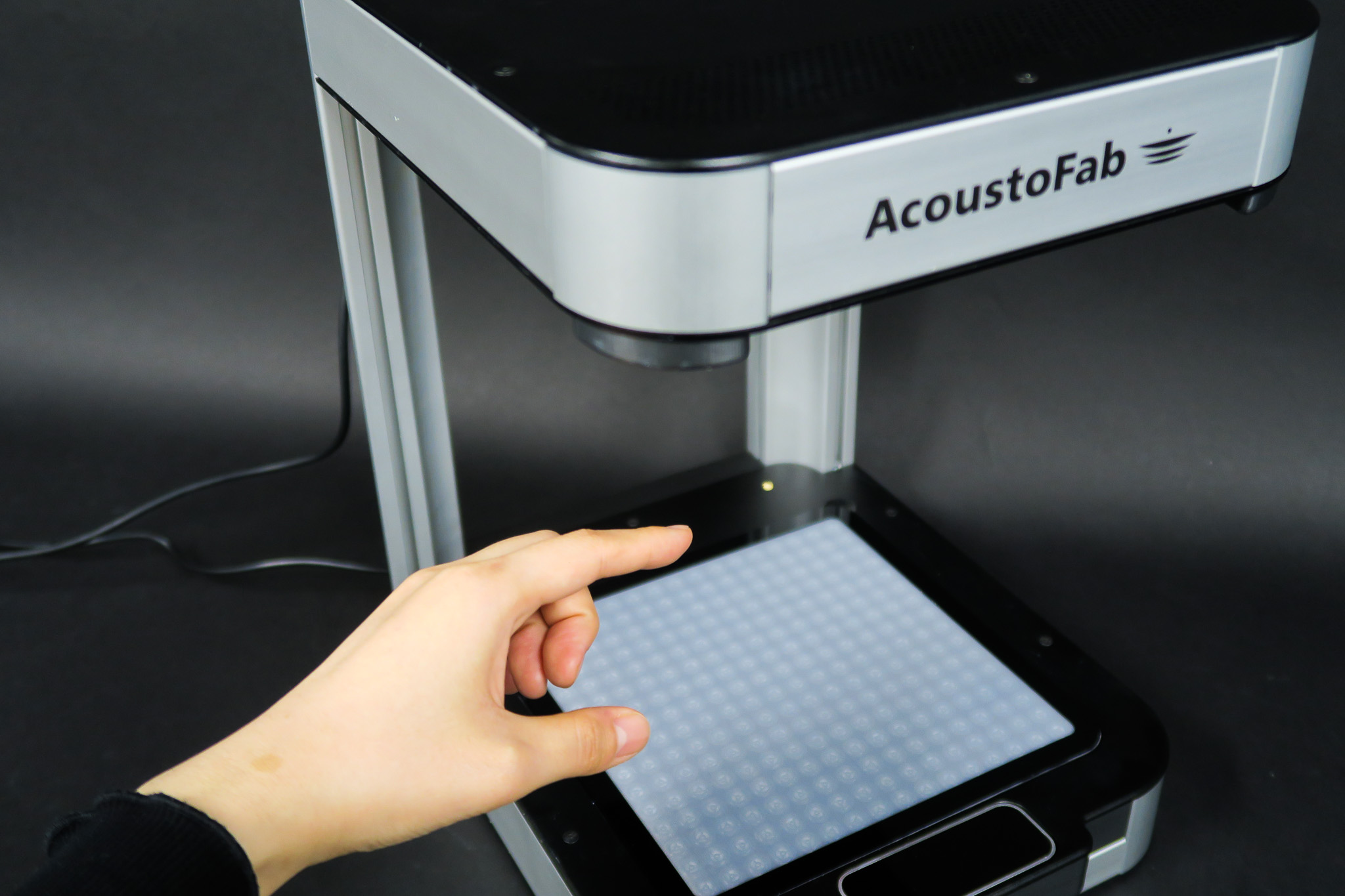
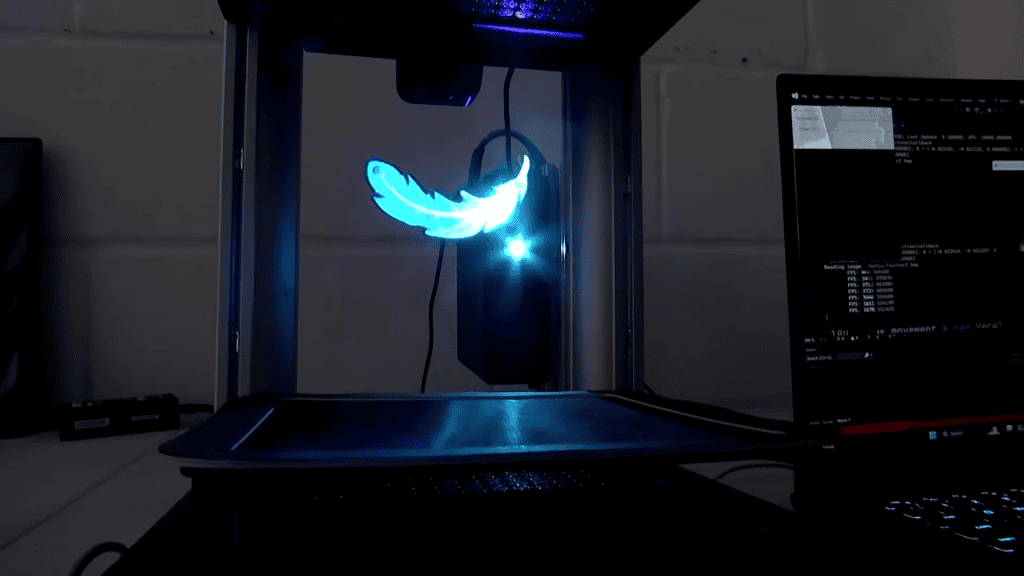
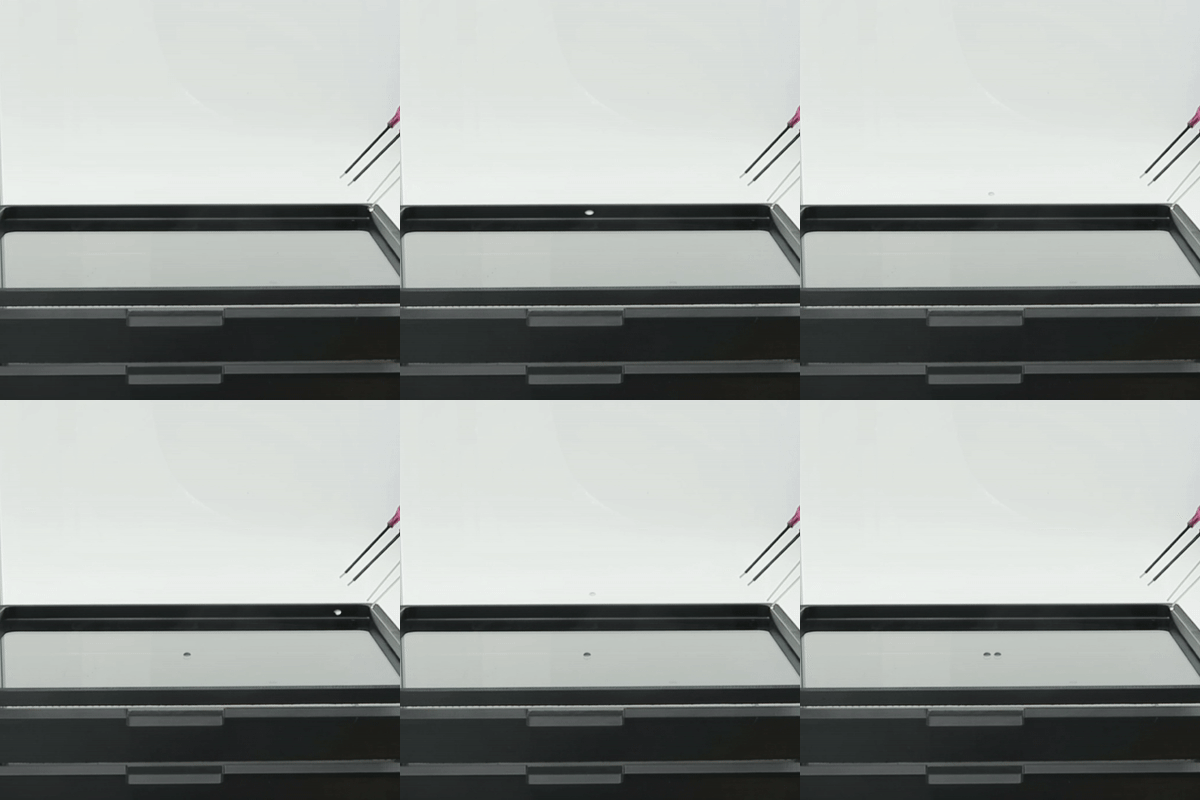
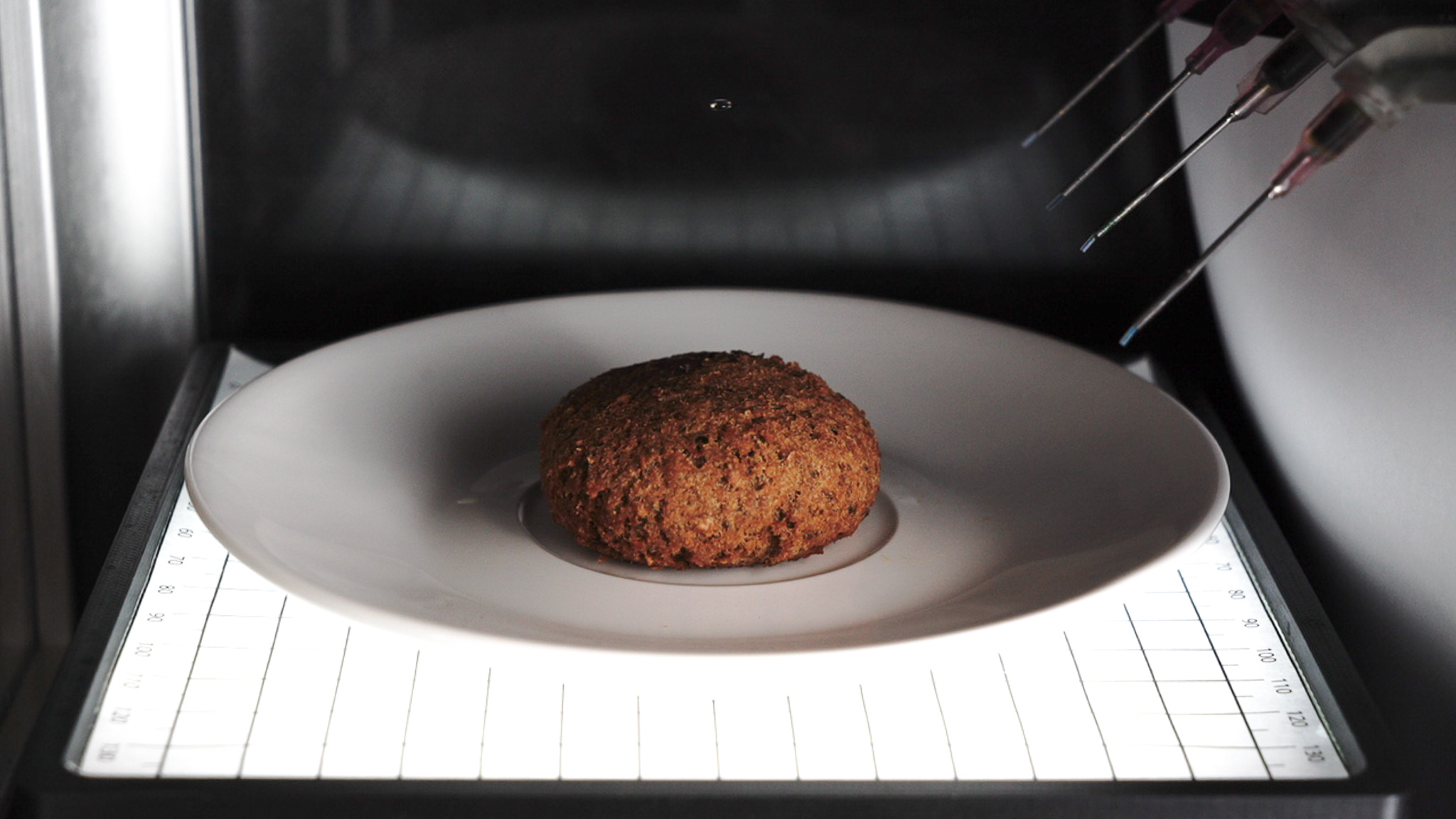
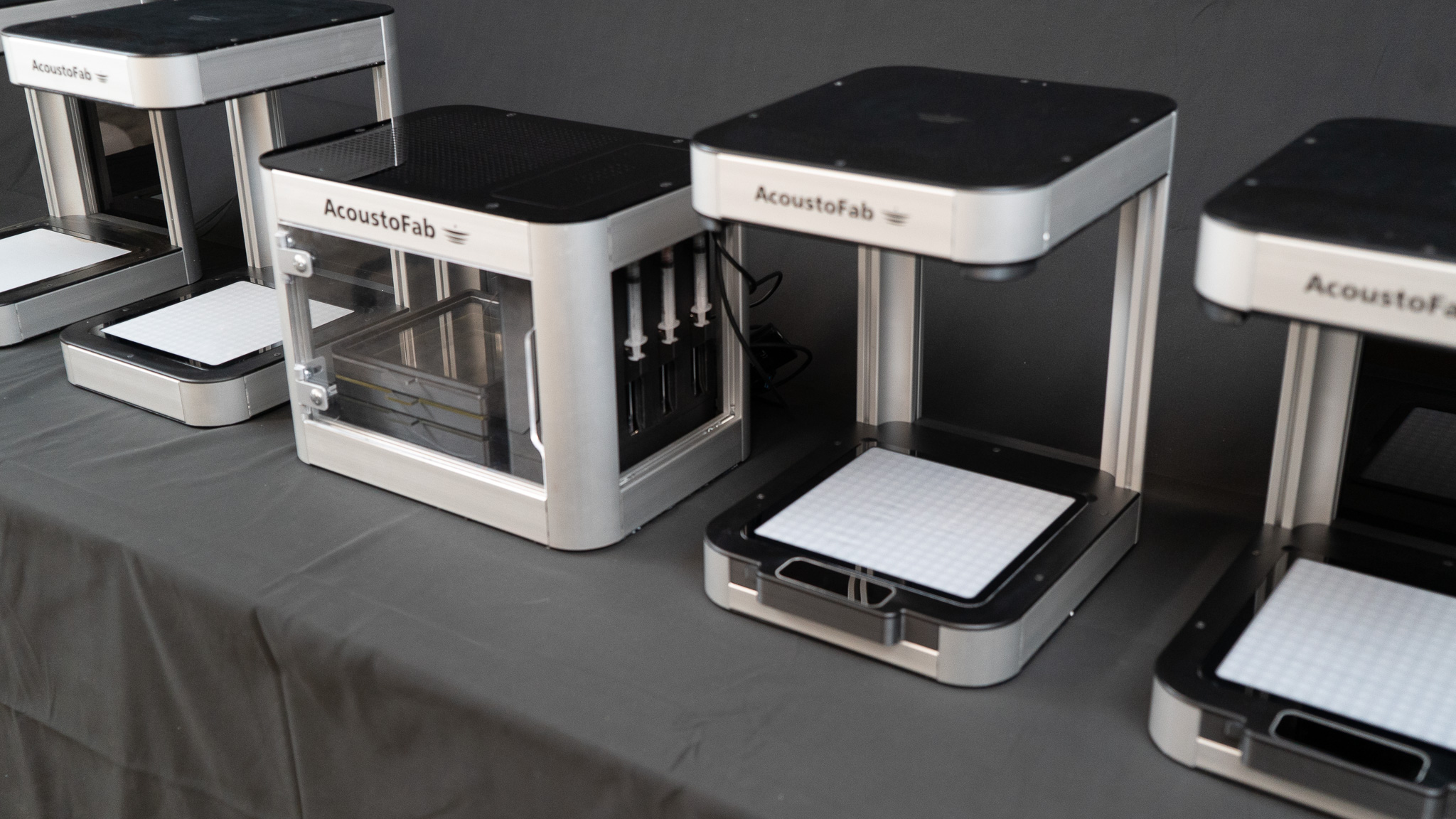
A collaborative project developed through AcoustoFab and the UCL Multisensory Devices Group, exploring acoustic levitation as a design medium for turning invisible forces into tangible product and material possibilities.
More…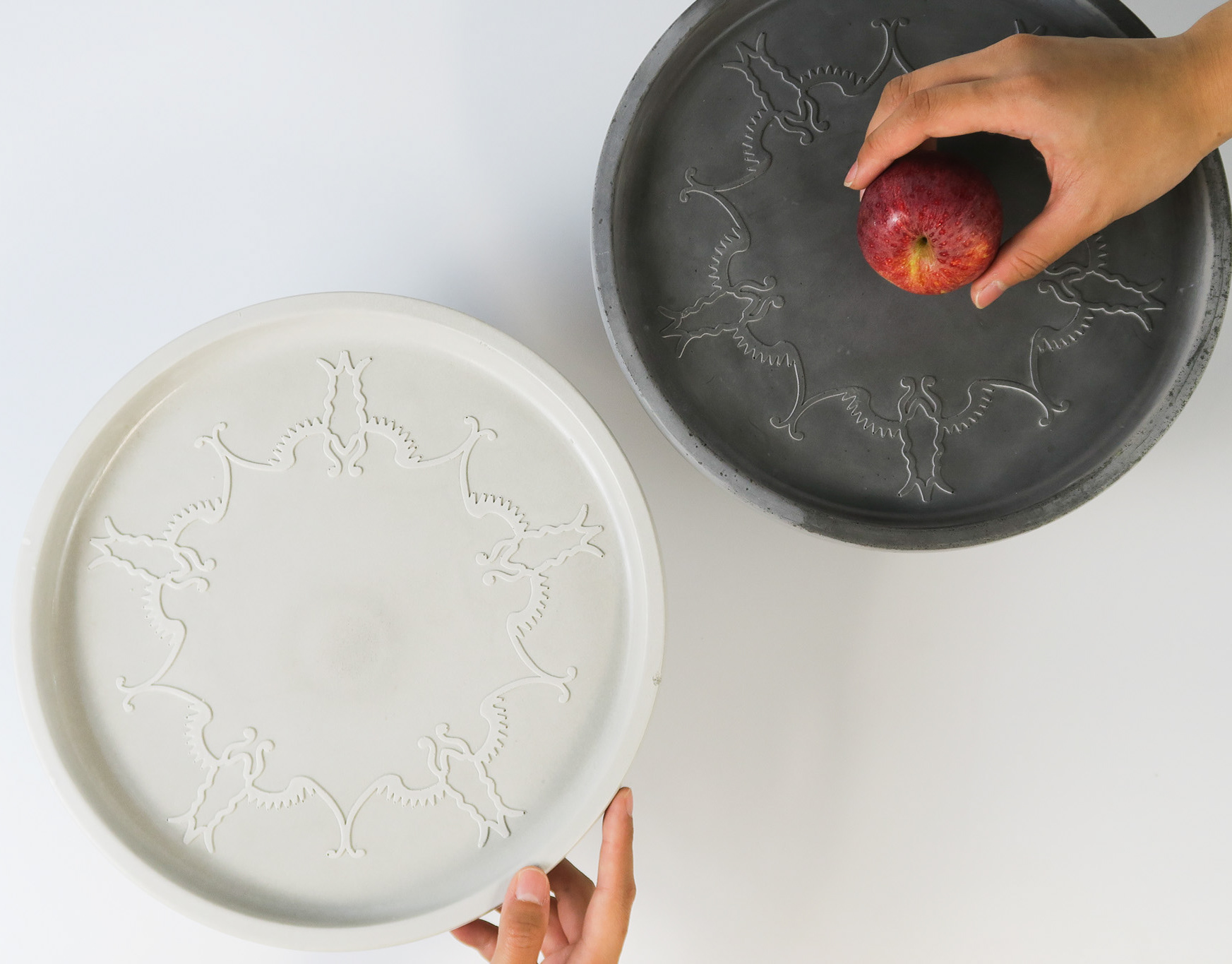
2024
A research-driven series developed by Yihan Dong with Dr Zhicheng Liu and Shanghai Design Week, transforming industrial waste into low-carbon concrete alternatives and extending material innovation into products, exhibitions, and public engagement.
More…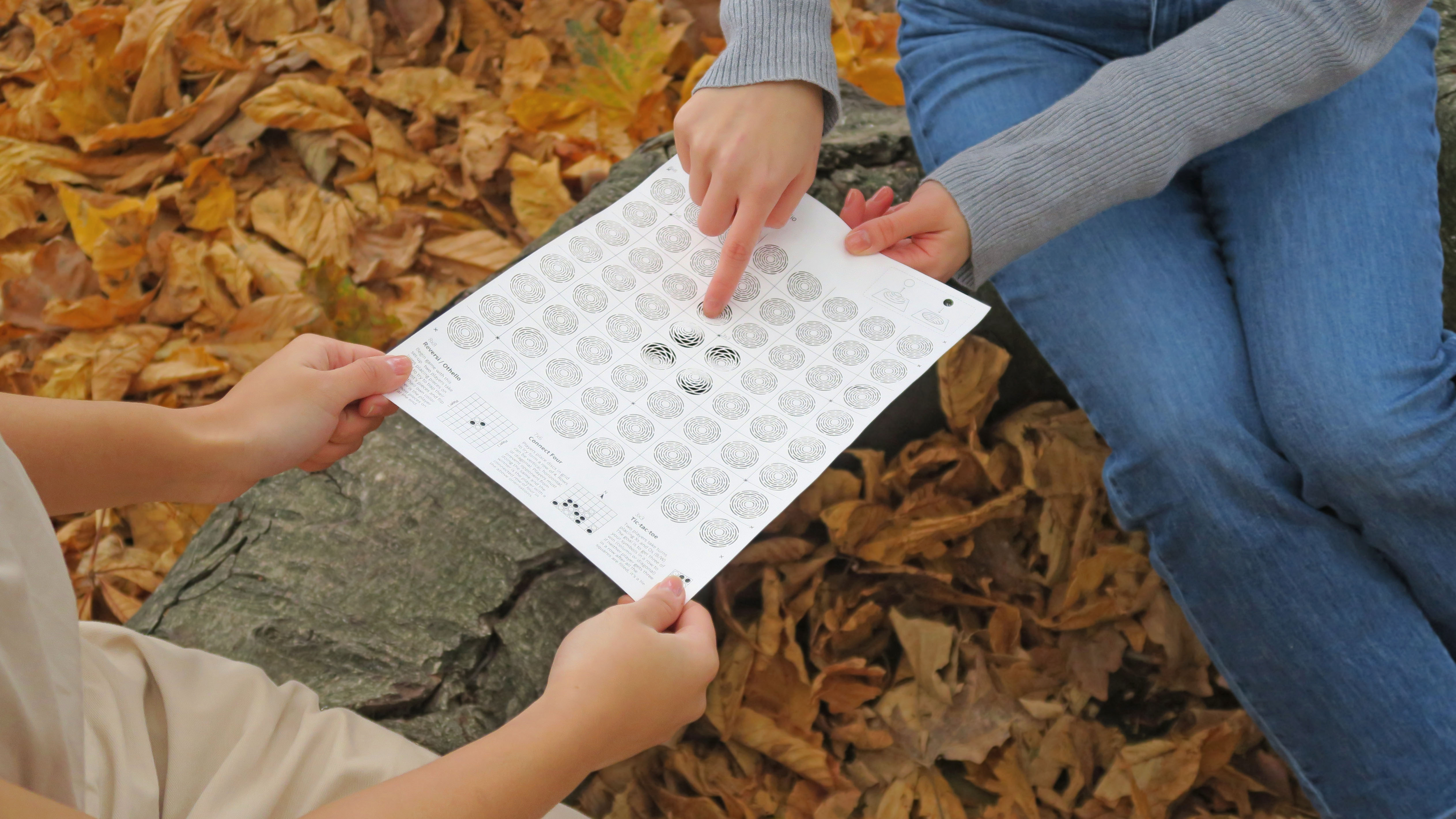
2023
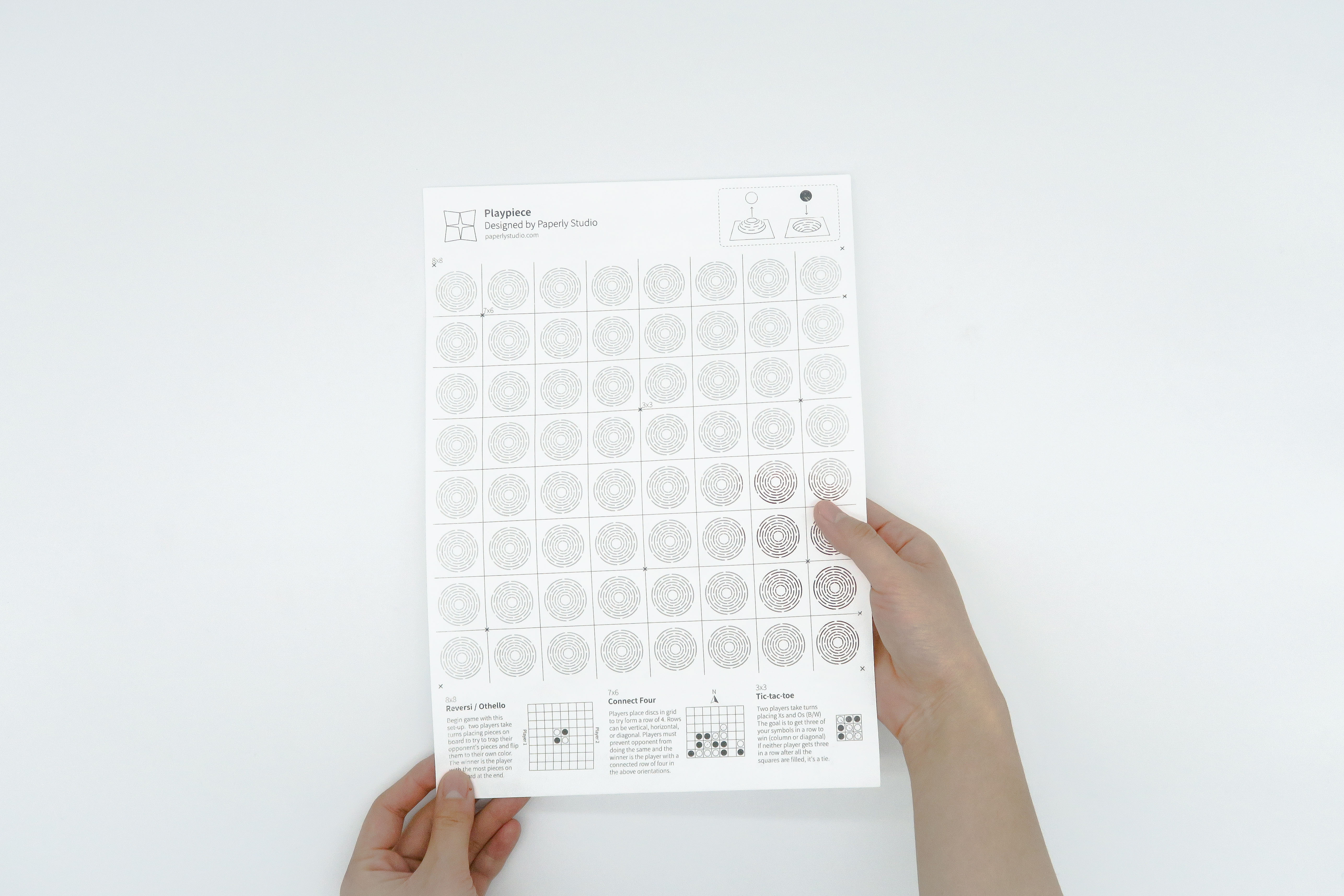
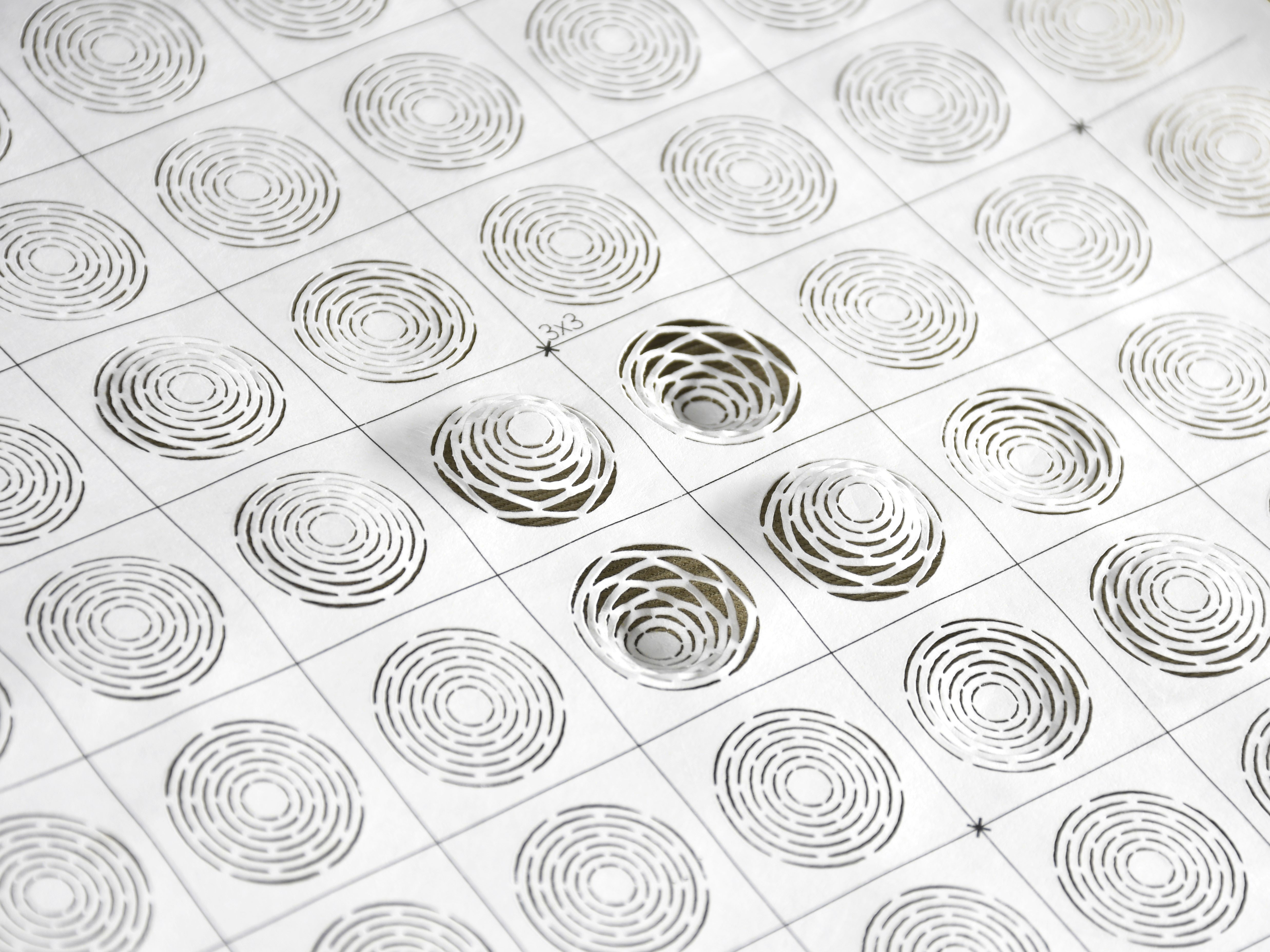
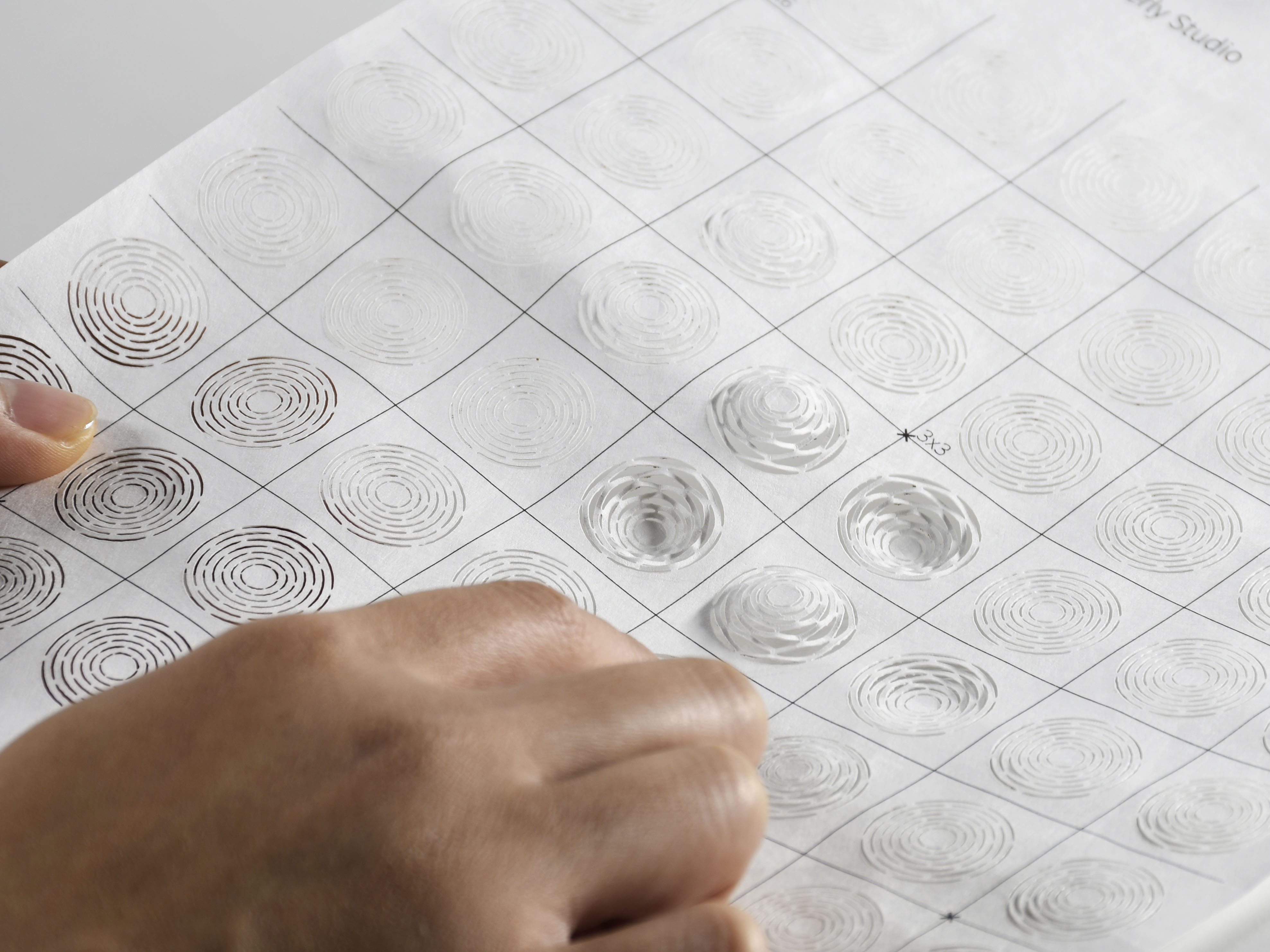
PlayPiece is a paper-based board game co-designed by Yihan Dong, Kara Wong, and Dian Lin, using a single sheet of Tyvek to turn cut, fold, and pressure into a portable and tactile system for inclusive play.
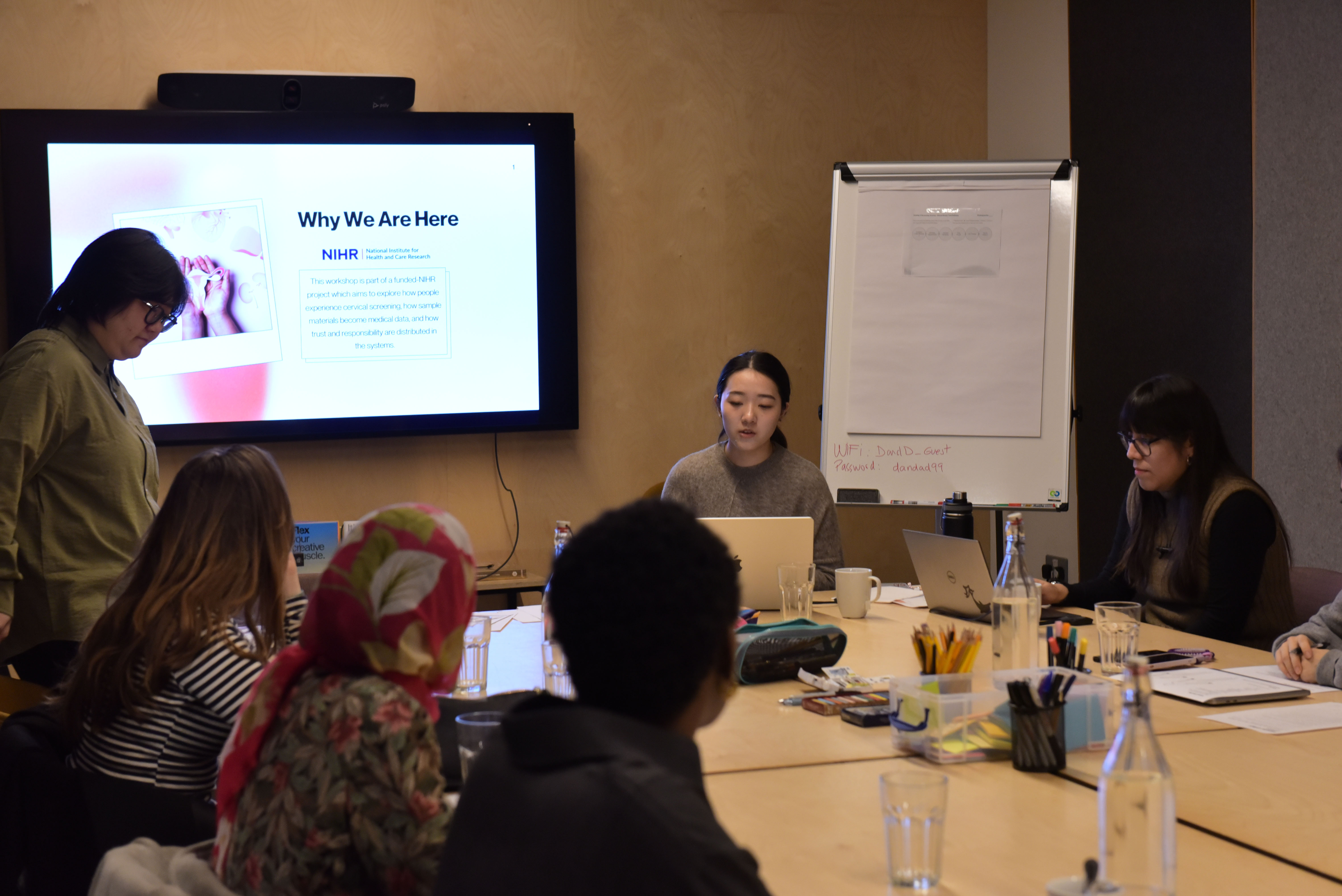
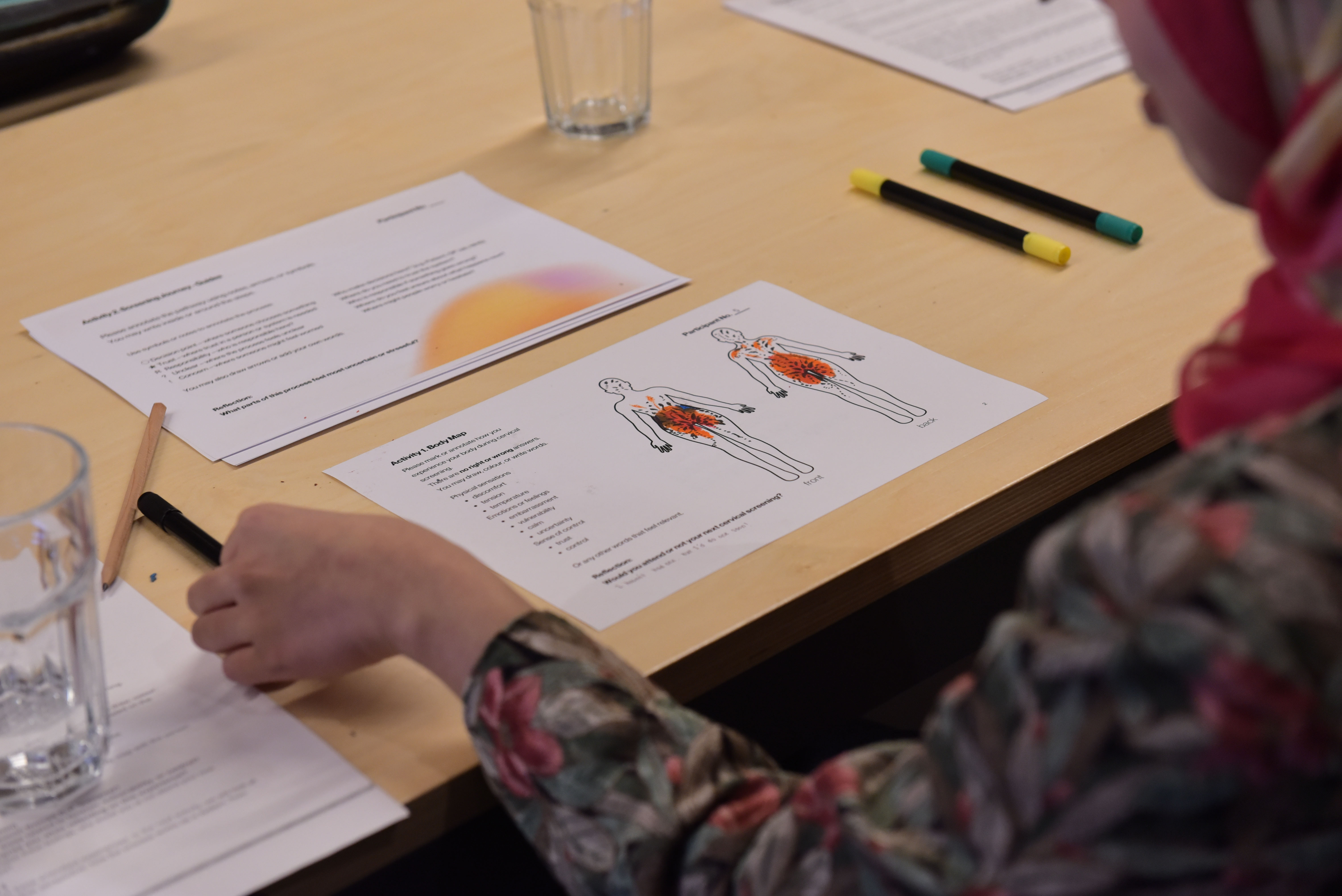
More…ViWipe is an ongoing research-driven project developed by Yihan Dong in collaboration with scientist Kenny Malpartida-Cardenas, exploring how menstrual blood might be rethought not as waste or taboo, but as a meaningful biological material for care, knowledge, and early health insight. Positioned between design, science, and public engagement, the project challenges the long-standing invisibility surrounding menstrual blood by asking what new futures become possible when a stigmatized bodily material is treated as something valuable, informative, and materially present. Alongside the development of a paper-based collection and testing concept, the project has been shaped through public engagement activities that open conversation around menstrual health, access, and participation, making the work as much about cultural change as technical innovation. Supported through grant funding, ViWipe has received international recognition, including a Red Dot Award: Best of the Best, has been collected by the Red Dot Design Museum, and has been featured by Dezeen. As an evolving collaboration across health, diagnostics, and feminist design, the project reflects Yihan Dong’s broader practice of materializing what is often hidden, neglected, or socially silenced.
For further information, please visit the ViWipe website.

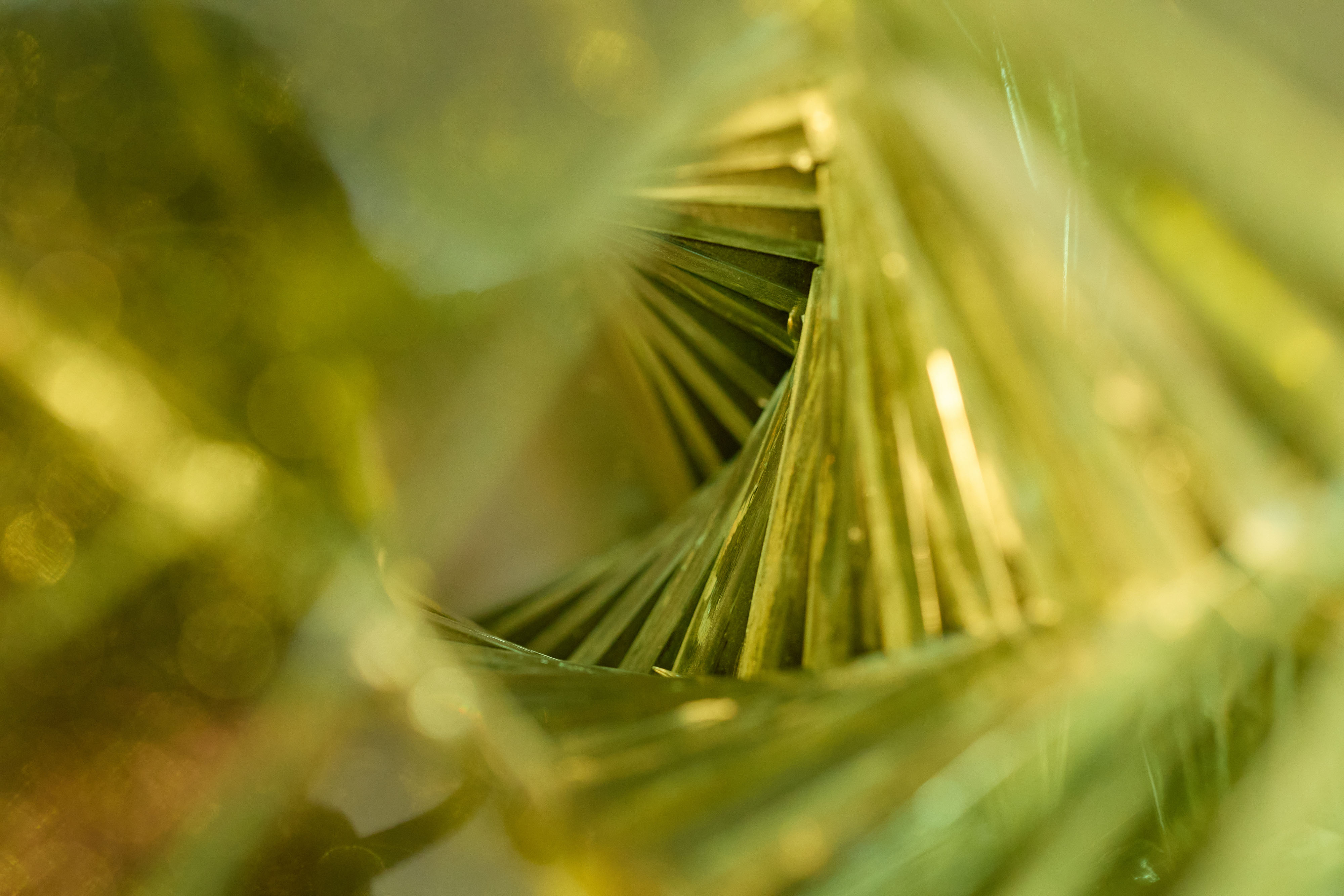
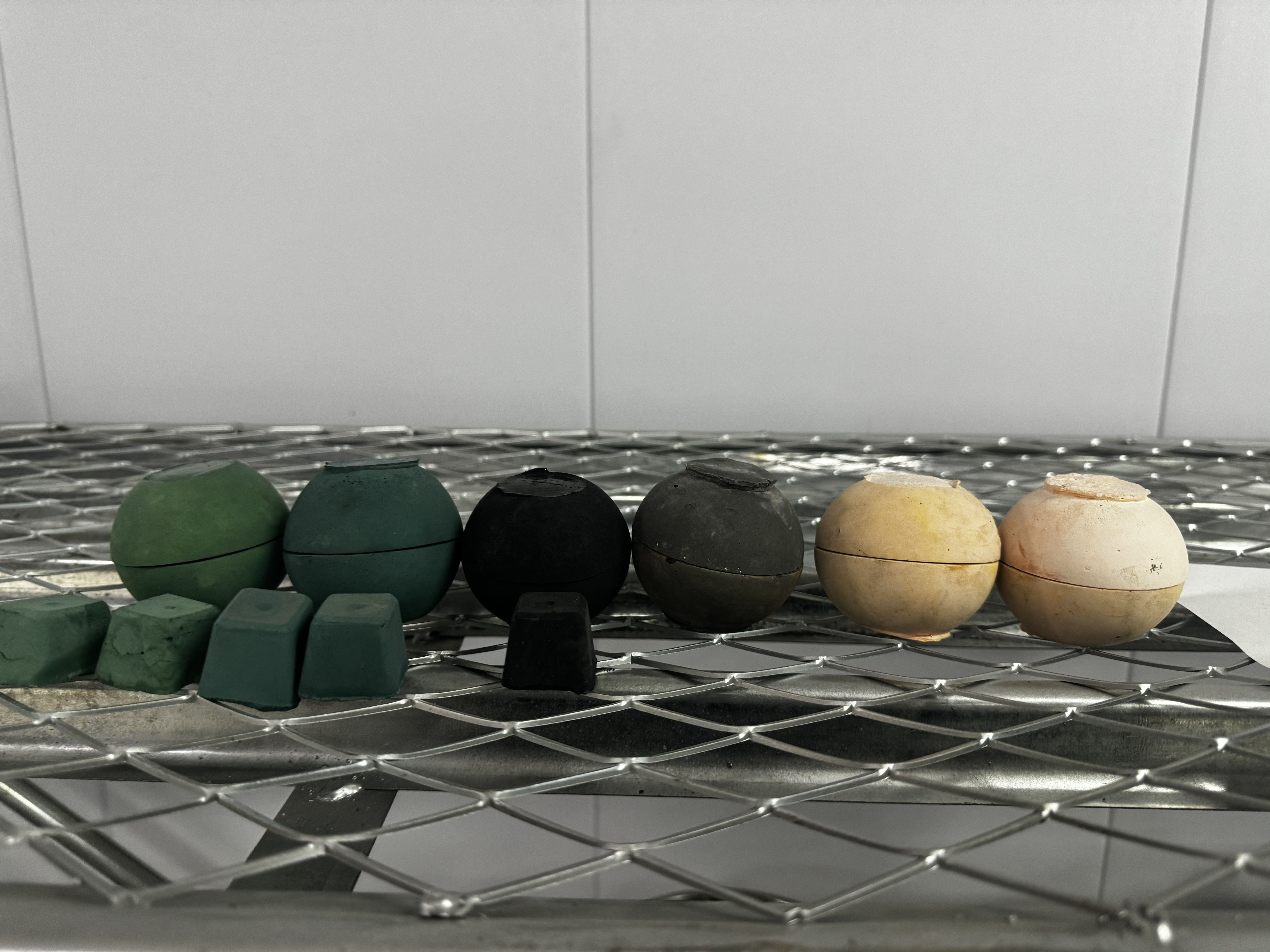
Silt Crystal Glass is a research-driven material project that transforms toxic urban sewage sludge into a stable, harmless, translucent green glass, giving form to what cities usually hide. Developed in collaboration with Shanghai Design Week, the project reimagines urban waste not as an endpoint but as a site of care, repair, and renewal. Through material testing, Yihan Dong shaped the project’s material language from hidden residue into visible form. Her independently developed fish-roe-inspired prototypes extend this narrative through an ecofeminist lens, in which the city’s exhausted metabolism is reimagined as a maternal body, and toxic sediment is transformed into egg-like forms that evoke protection, gestation, and new life.
To explore the project in more depth, read the publication here.
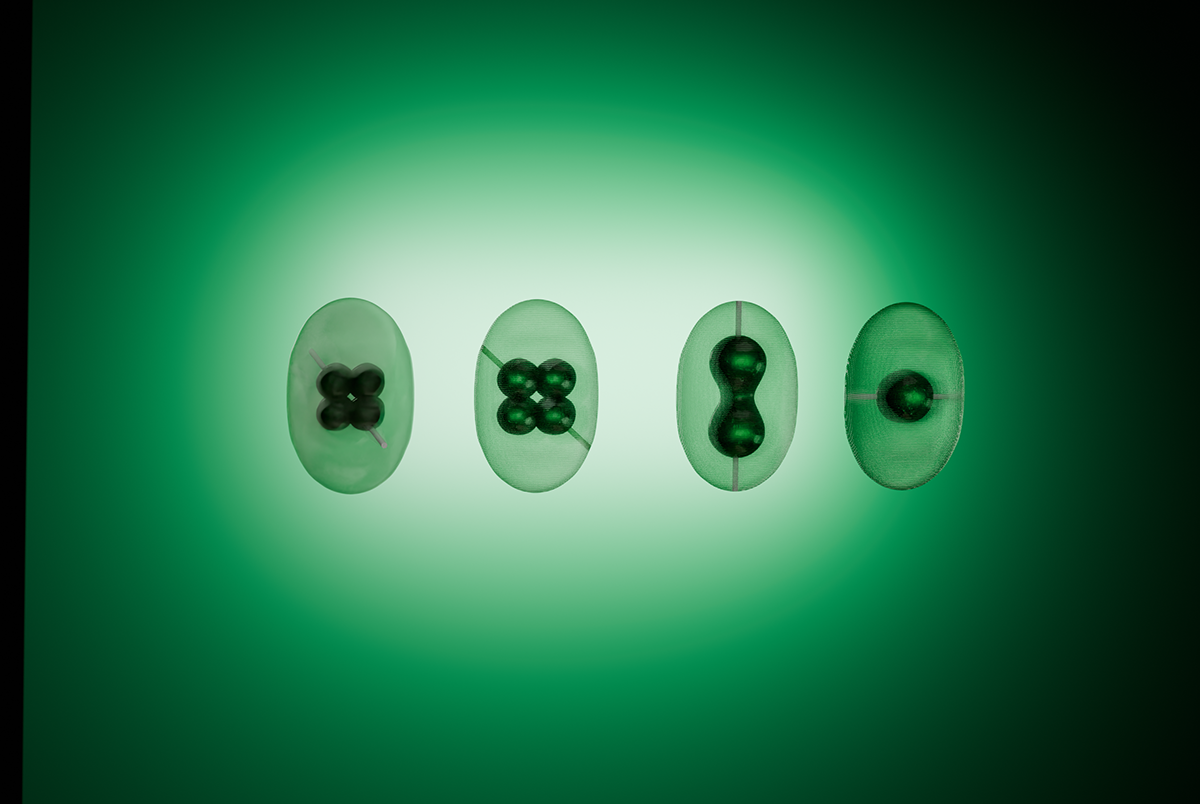
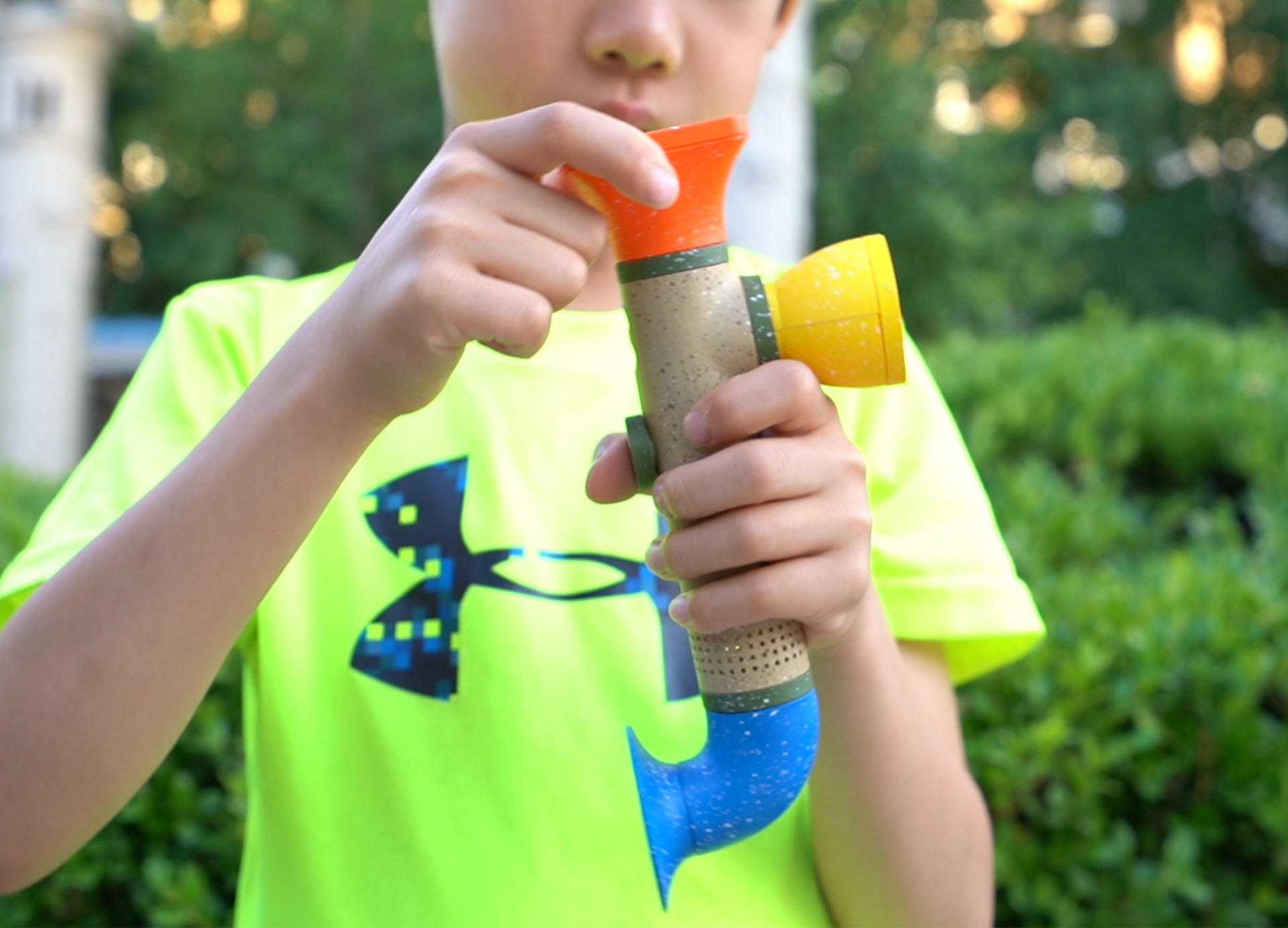
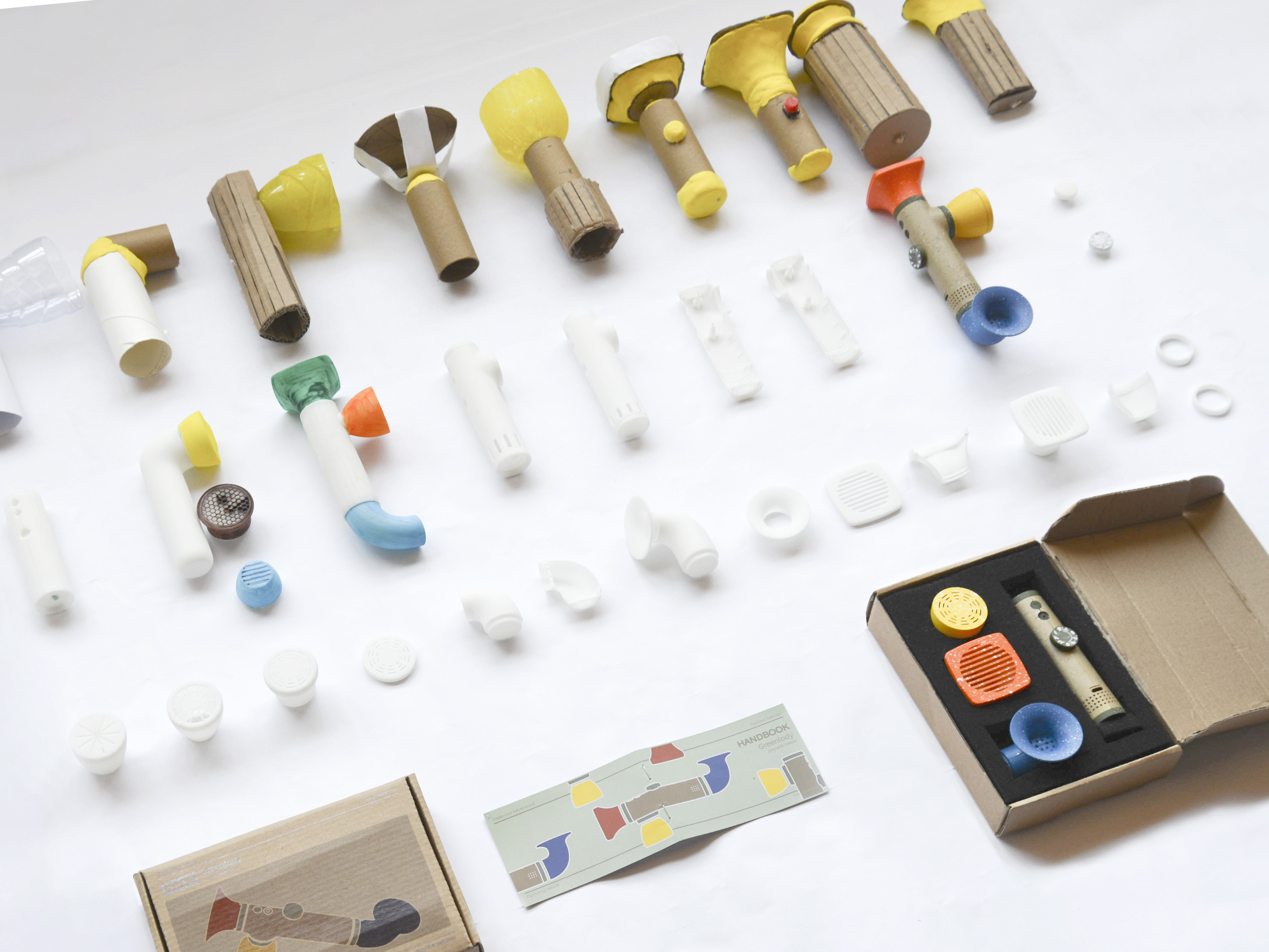
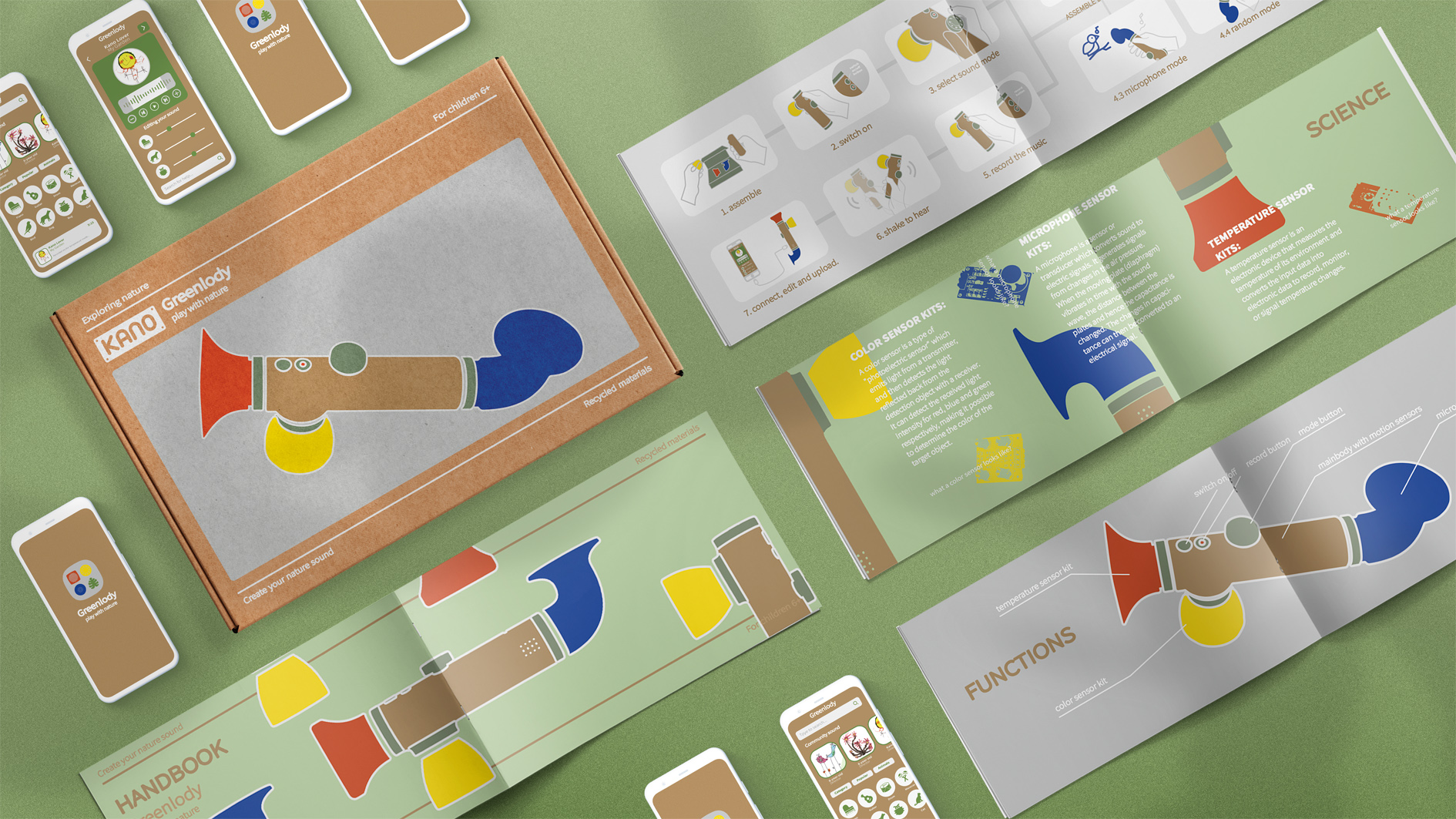
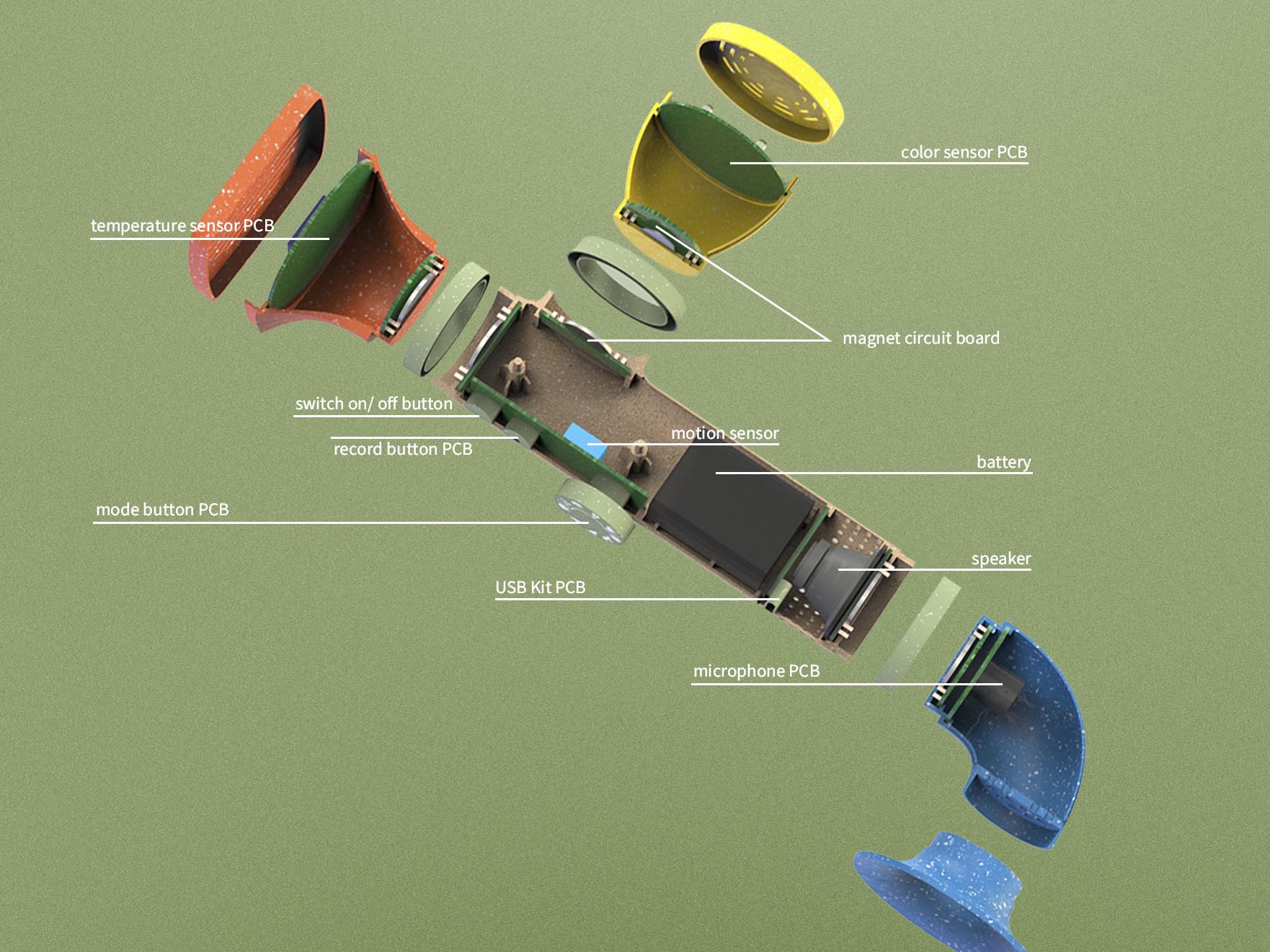
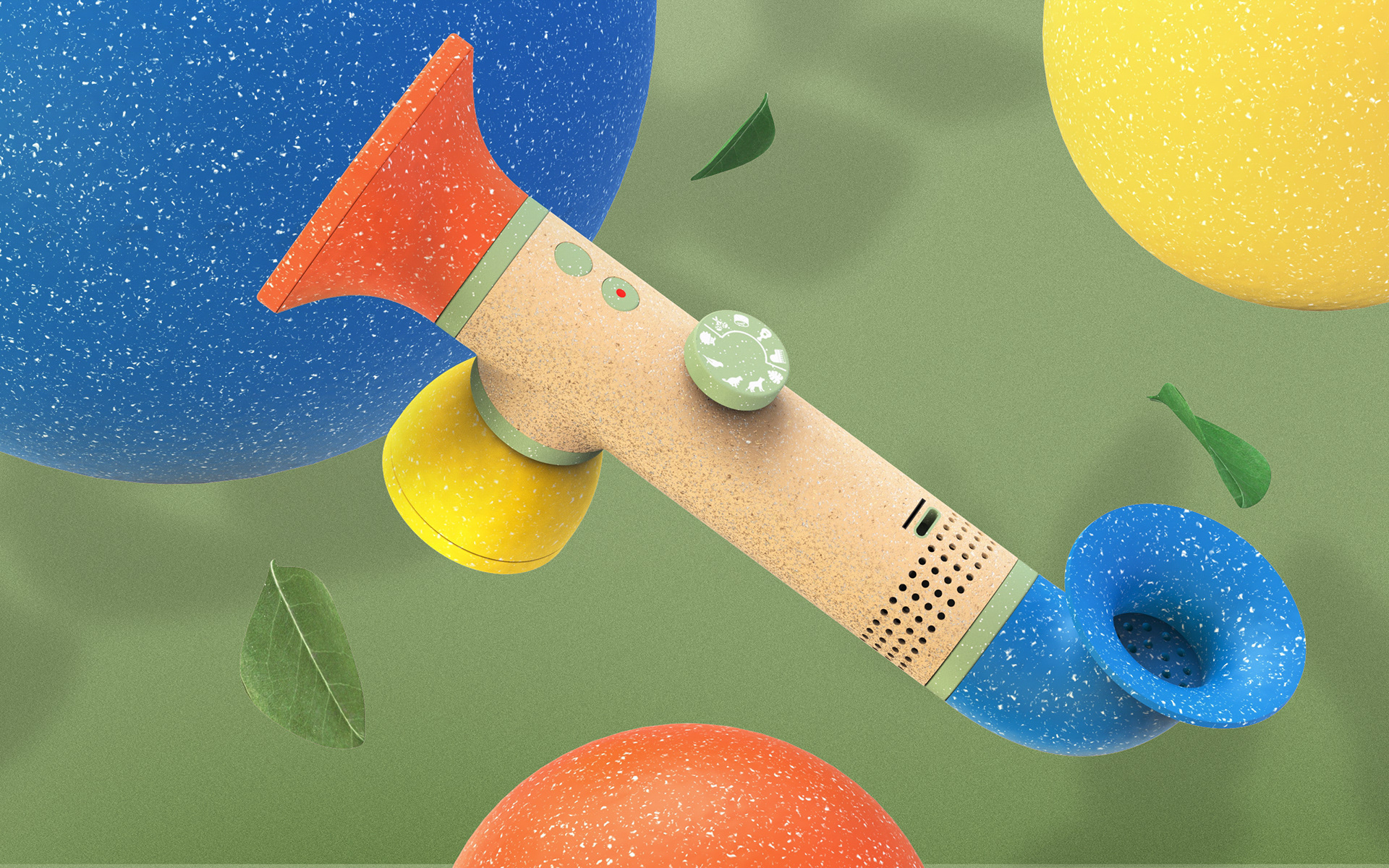
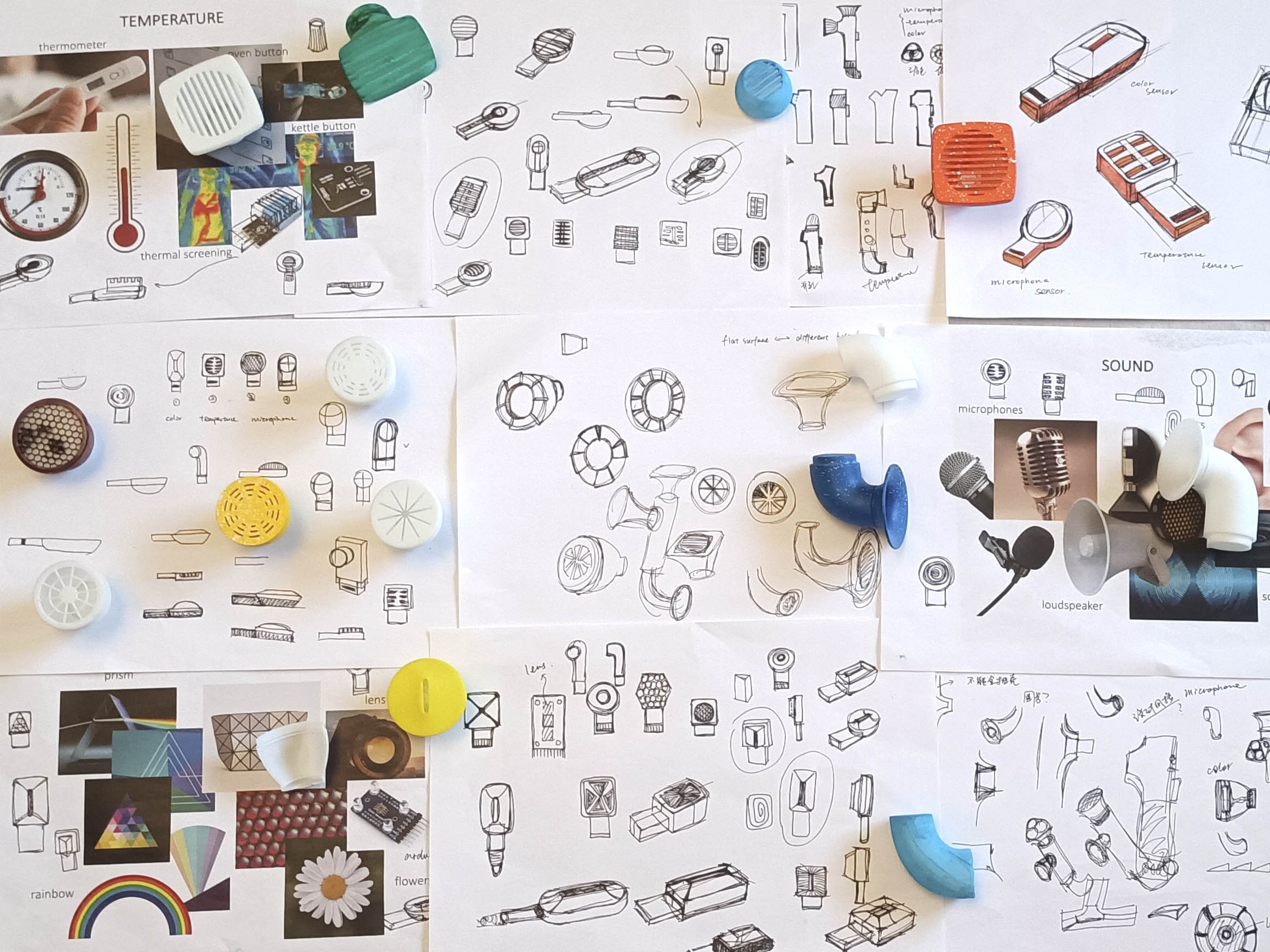
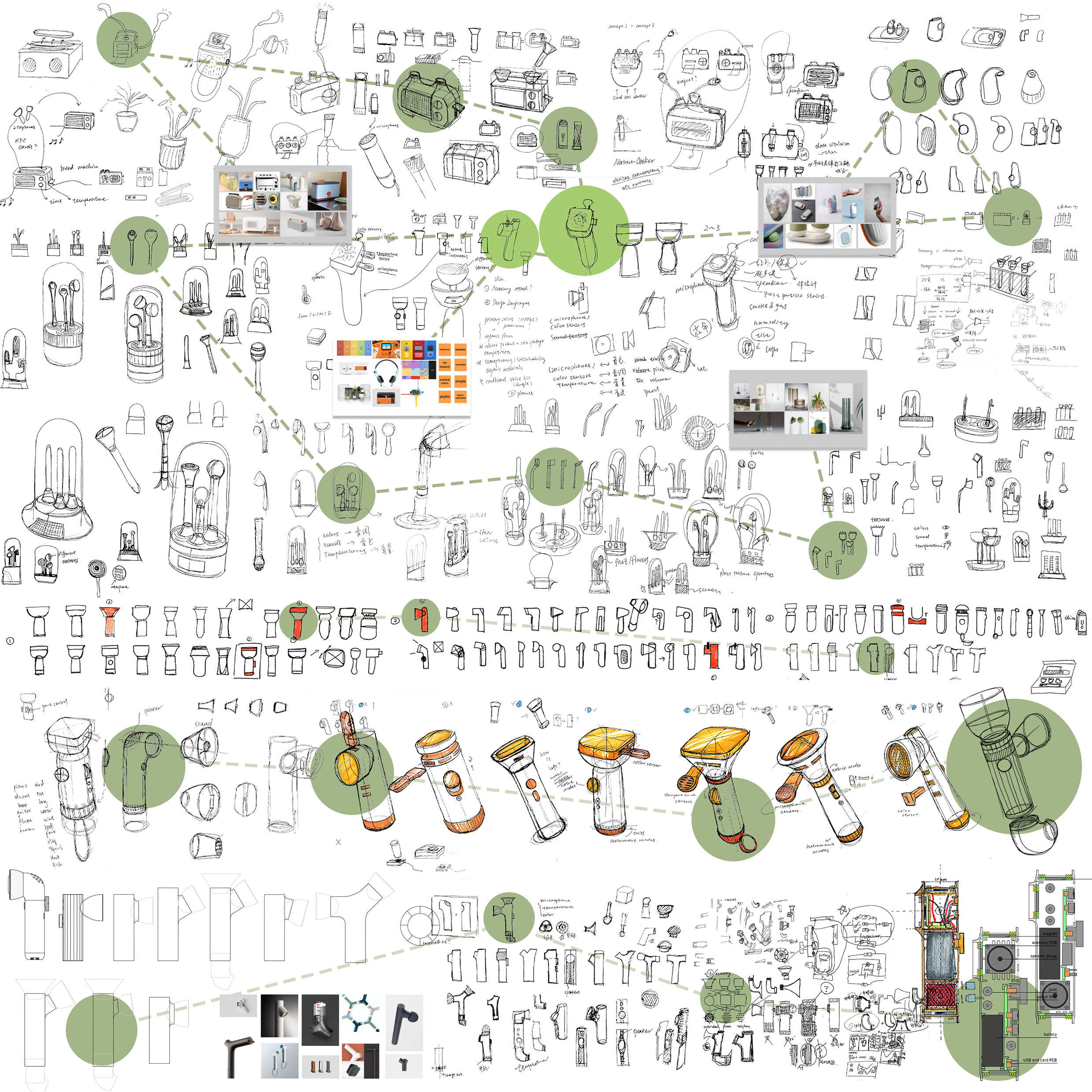
Greenlody is a modular play system that invites children to explore the natural world through sound, color, temperature, and movement. By transforming environmental signals into music, the project turns sensory exploration into a playful form of learning grounded in curiosity, experimentation, and delight. Developed through observing how children invent rules, recombine objects, and engage the world through play, Greenlody treats design not simply as a tool for STEM education, but as a way of making often-unnoticed outdoor relationships more tangible: weather, rhythm, ecosystems, and change. In doing so, it asks how playful objects might support children in noticing the more-than-human world and forming early habits of attentiveness and care. Built as a modular, repairable system using recycled materials, Greenlody also proposes a longer-lasting alternative to disposable toys.
The project received both the K-Design Award and the Meaning-Centered Design Award and also led to an accepted research paper on inquiry-based learning, physical computing, and children’s sustainability competencies.
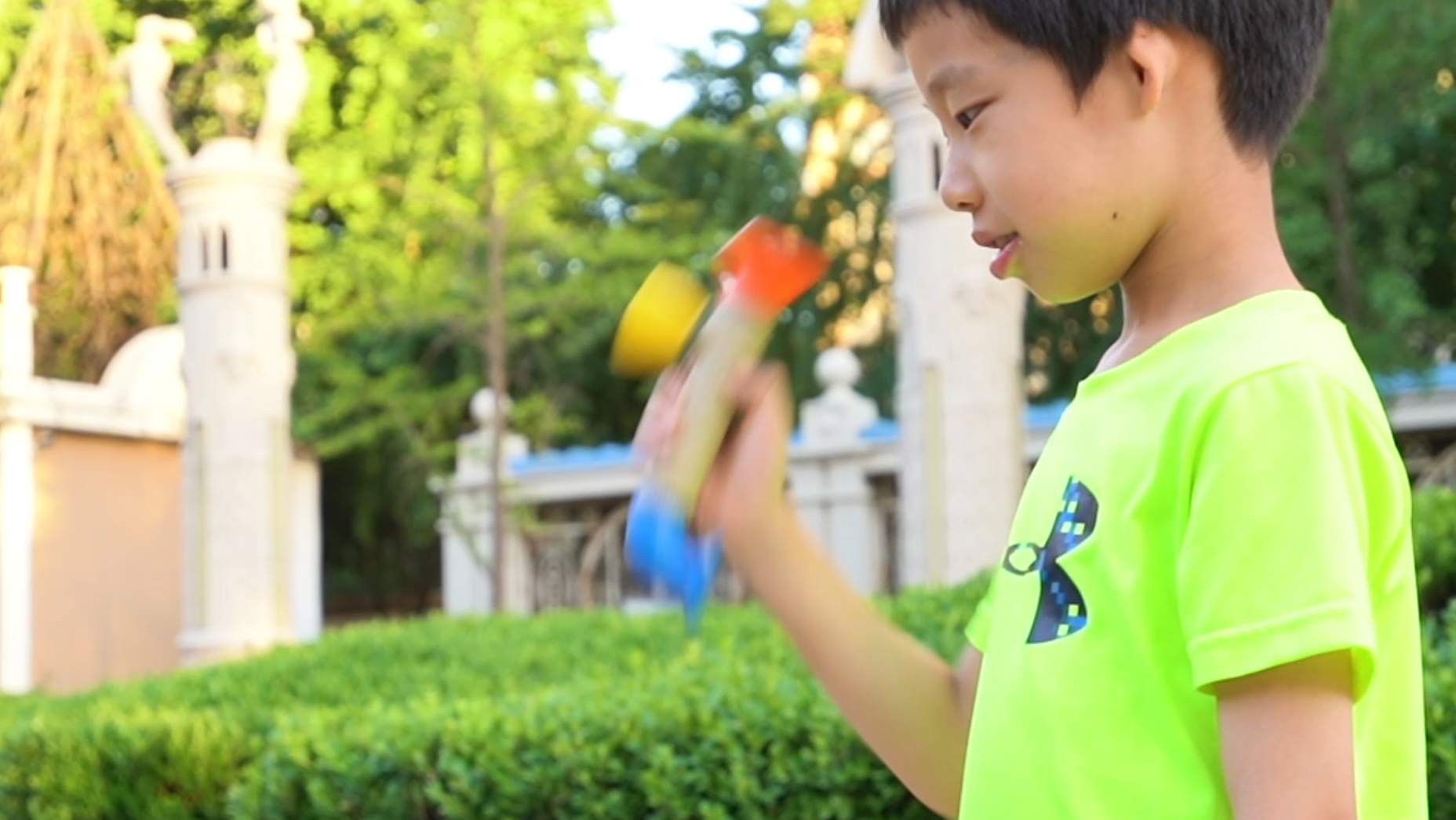
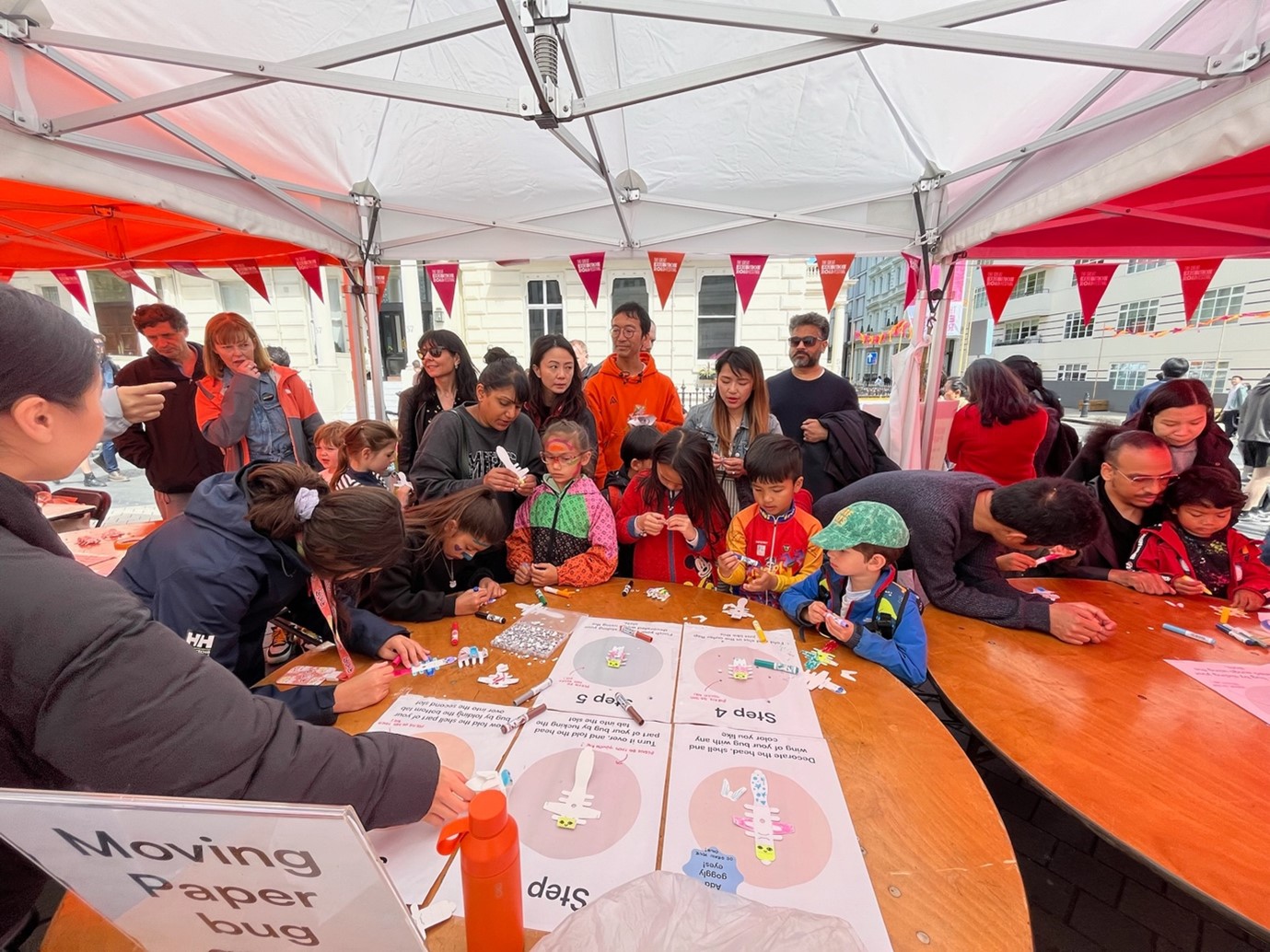
PaperBug is a hands-on learning workshop co-designed by Yihan Dong, Kara Wong, and Dian Lin, inviting children and families to build moving paper creatures using simple electrical circuits and vibration motors. Combining craft, engineering, and playful experimentation, the project explores paper not just as a making material, but as something responsive, dynamic, and full of structural possibility. Through cutting, assembling, testing, and watching their creations crawl, participants discover how motion, balance, and material behaviour can be understood through direct interaction rather than instruction alone. Developed as an accessible introduction to engineering through paper, PaperBug turns lightweight materials into a tool for curiosity, imagination, and inquiry-led STEM learning. The workshop was presented at The Great Exhibition Road Festival 2024, where it welcomed over 600 visitors.
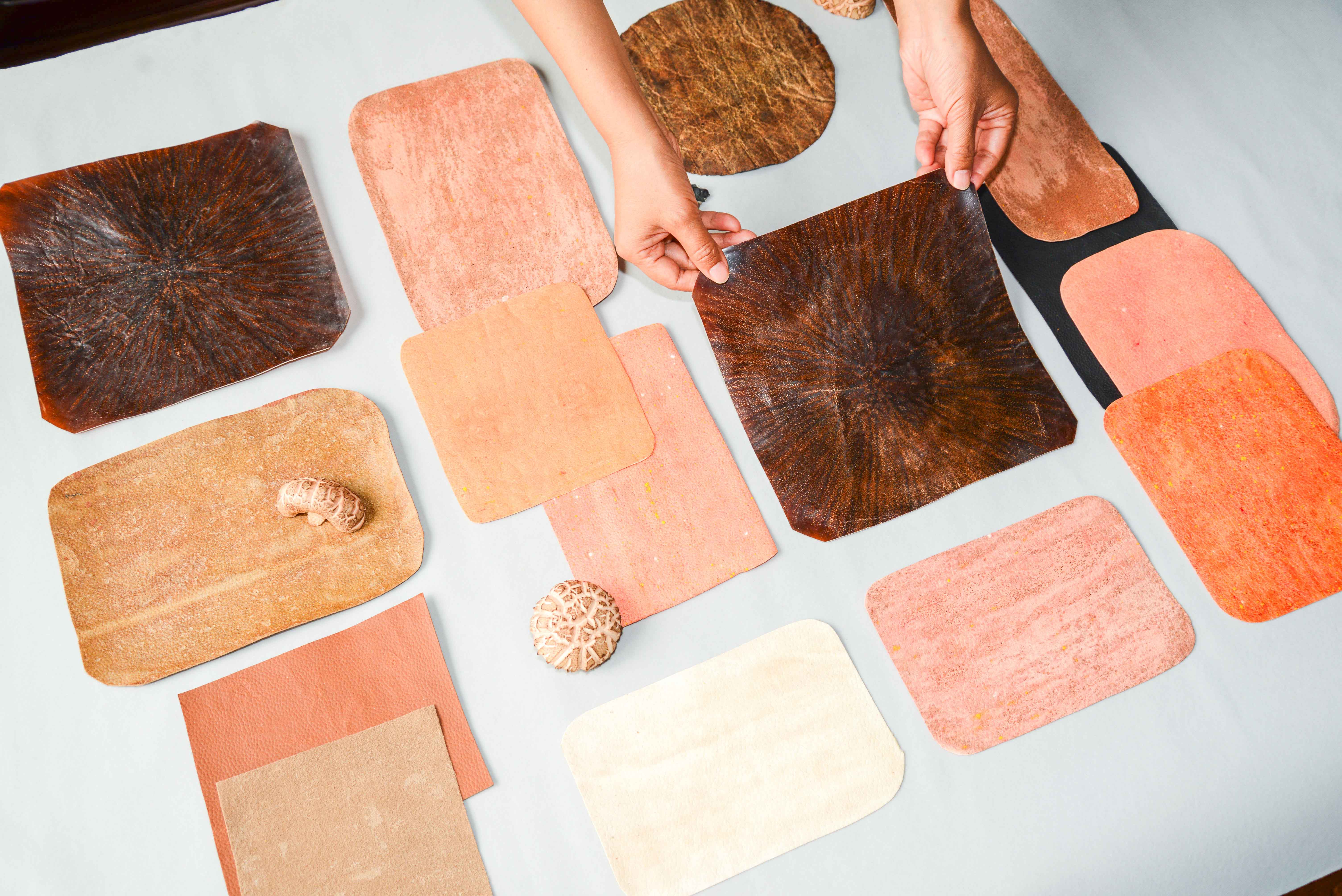
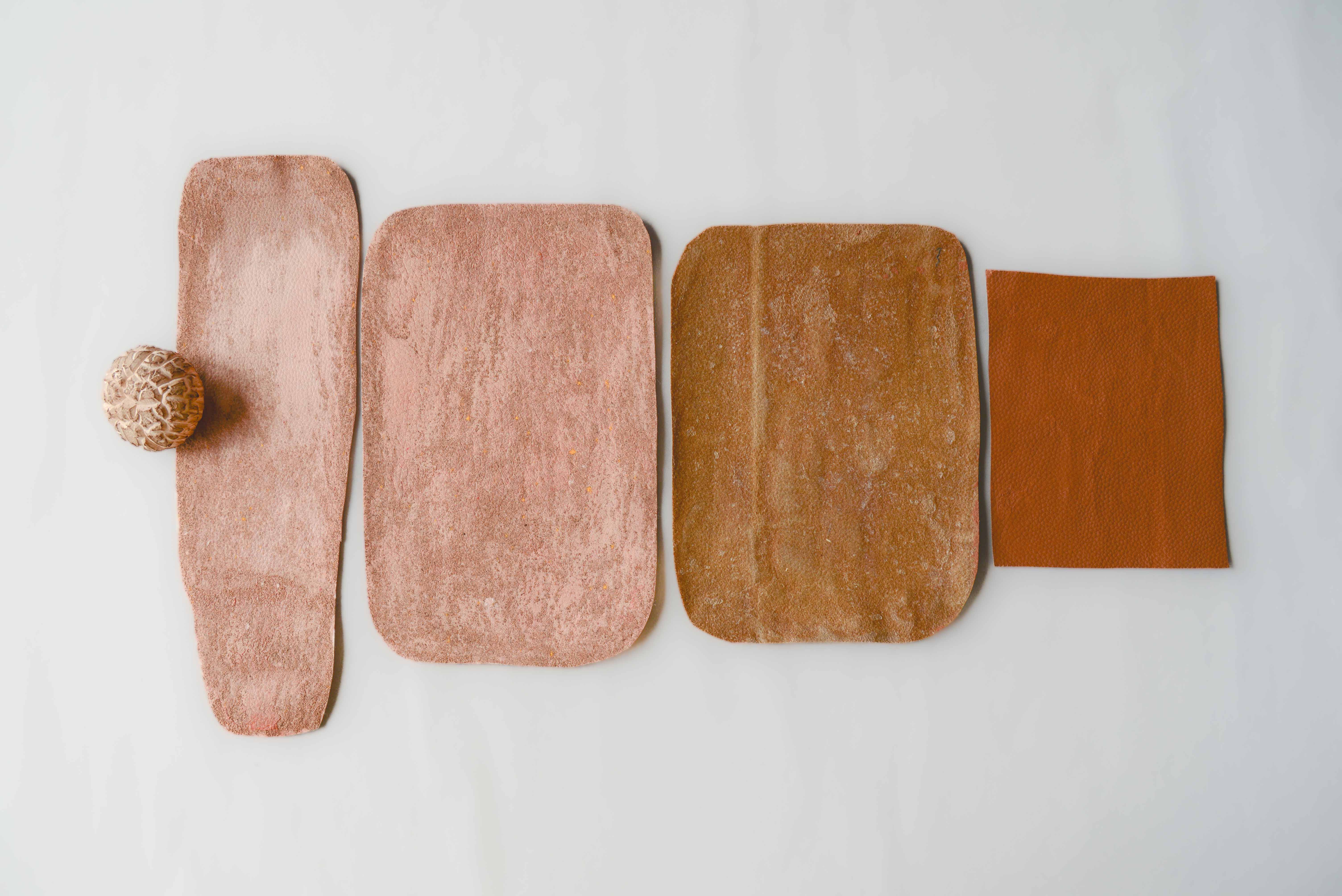
Iridescent Networks is a research-driven wearable project developed in collaboration with Mermaid Lucia and AgriCycle Innovation in 2025. Inspired by the iridescence of butterfly wings and the quiet labor of fungi, the project explores adornment as a way to materialize the unseen ecologies that sustain life. Insects and mushrooms are often overlooked, hidden in the background of daily life, yet both are essential agents of transformation, decomposition, and renewal. Translating this fragile but critical vitality into wearable form, the project combines a butterfly-wing-inspired bio resin bodice with mushroom leather jewelry and skirt adornments, creating a series of pieces that move between body, organism, and ornament. Delicate, shimmering, and organic in structure, the work does not simply imitate nature, but evokes the living systems of care, decay, and regeneration that make life possible. Developed through collaborative prototyping and exhibited at Kew Gardens Maker Week at the Royal Botanic Gardens, Kew, Iridescent Networks reflects Yihan Dong’s broader practice of working through material experimentation to reveal what is hidden, vital, and quietly holding the world together.

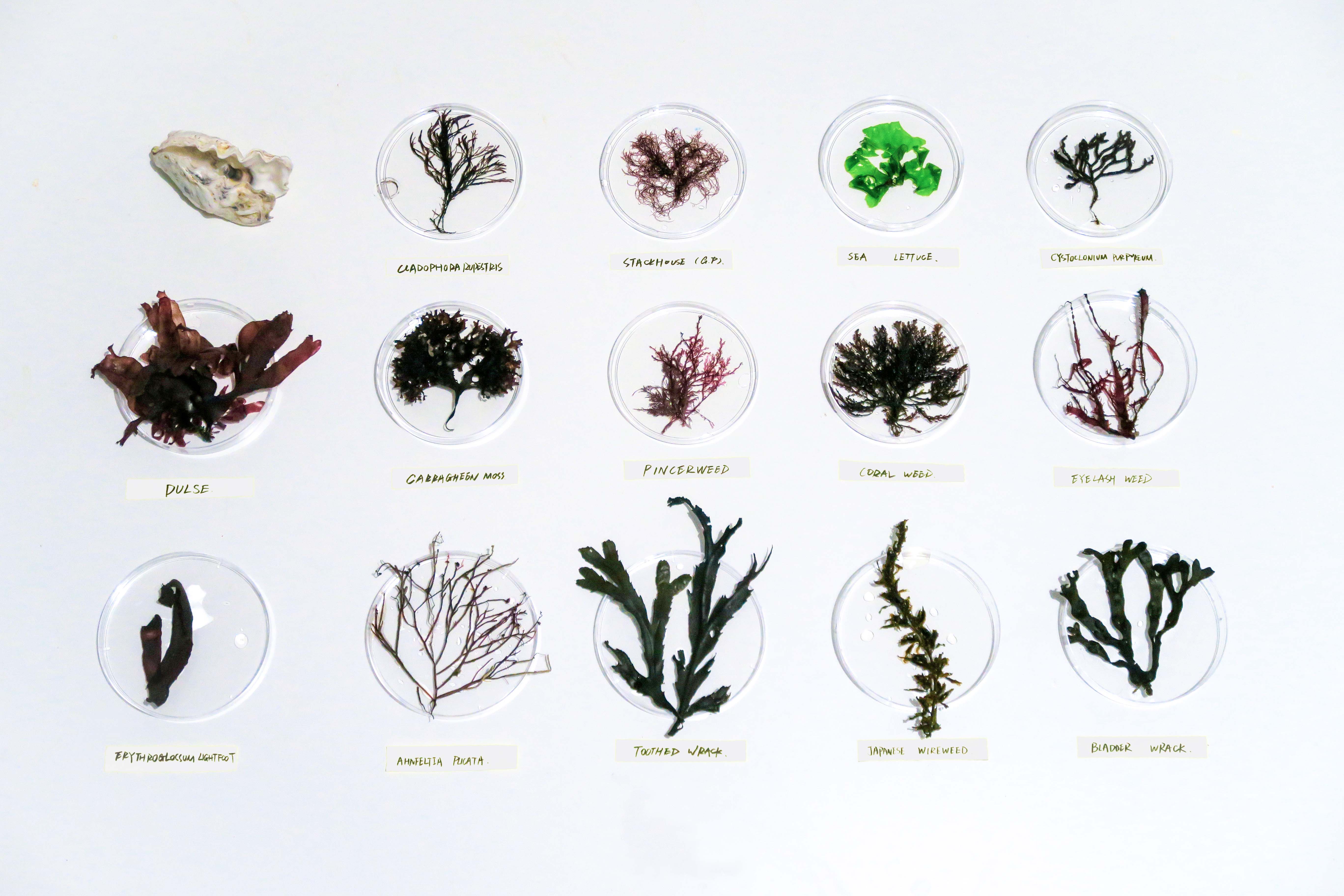
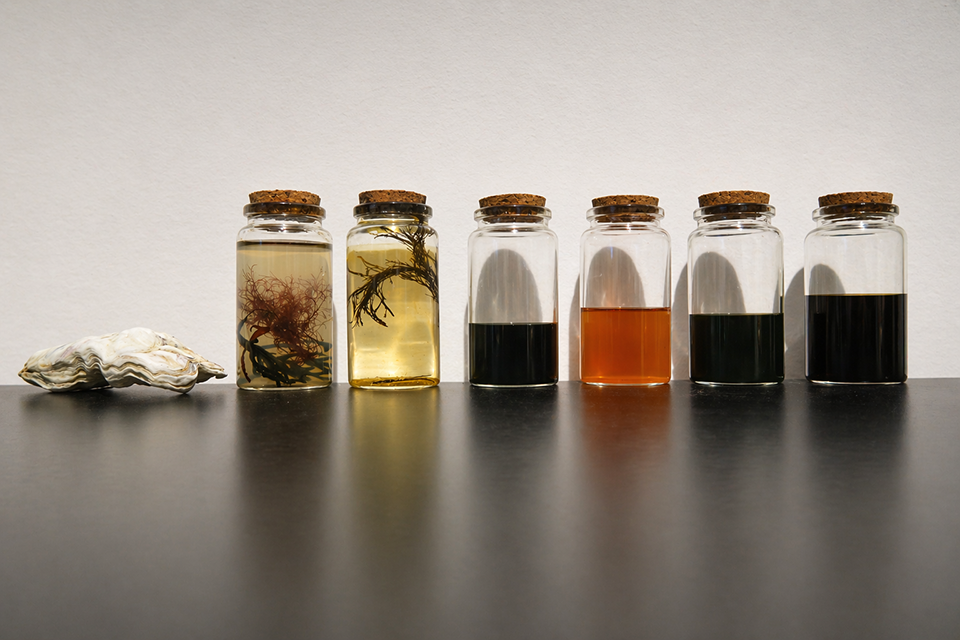
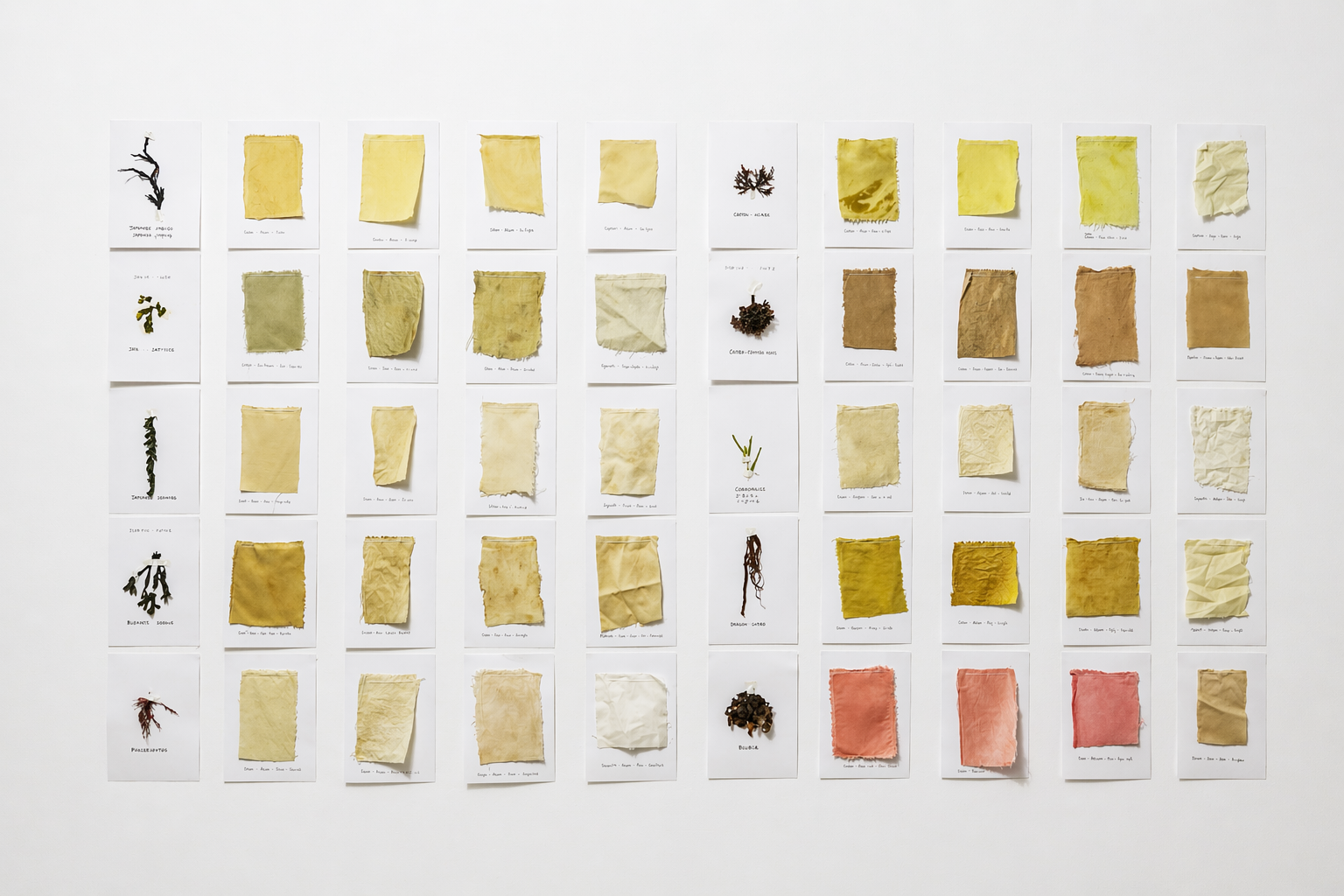
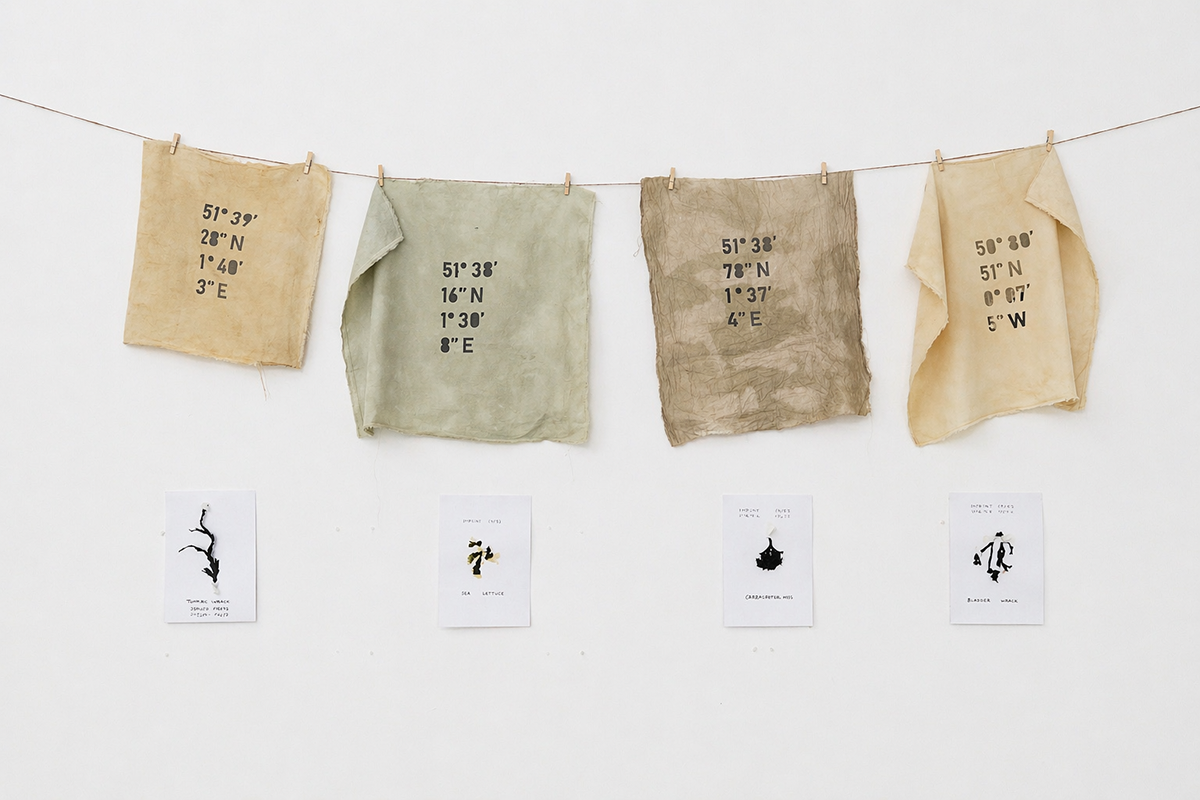
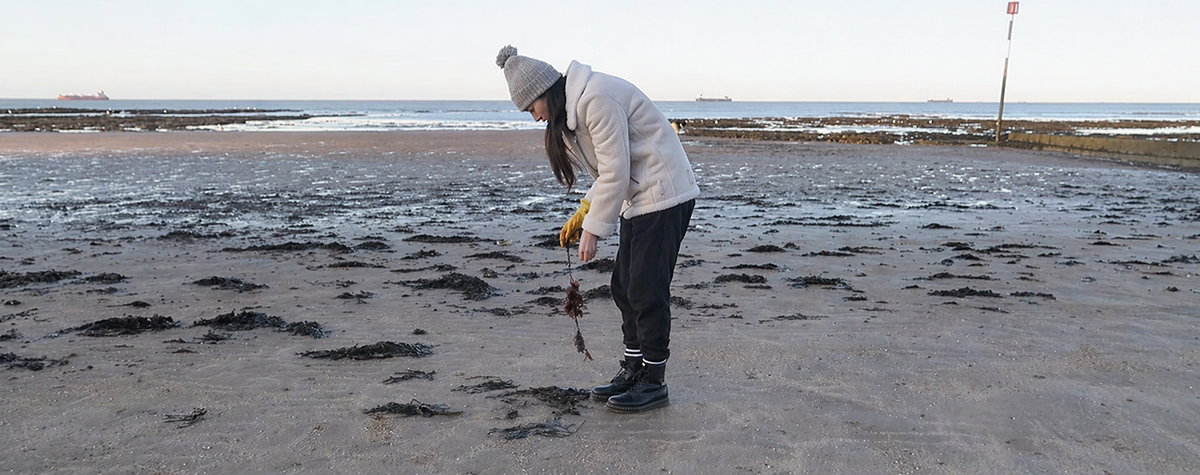
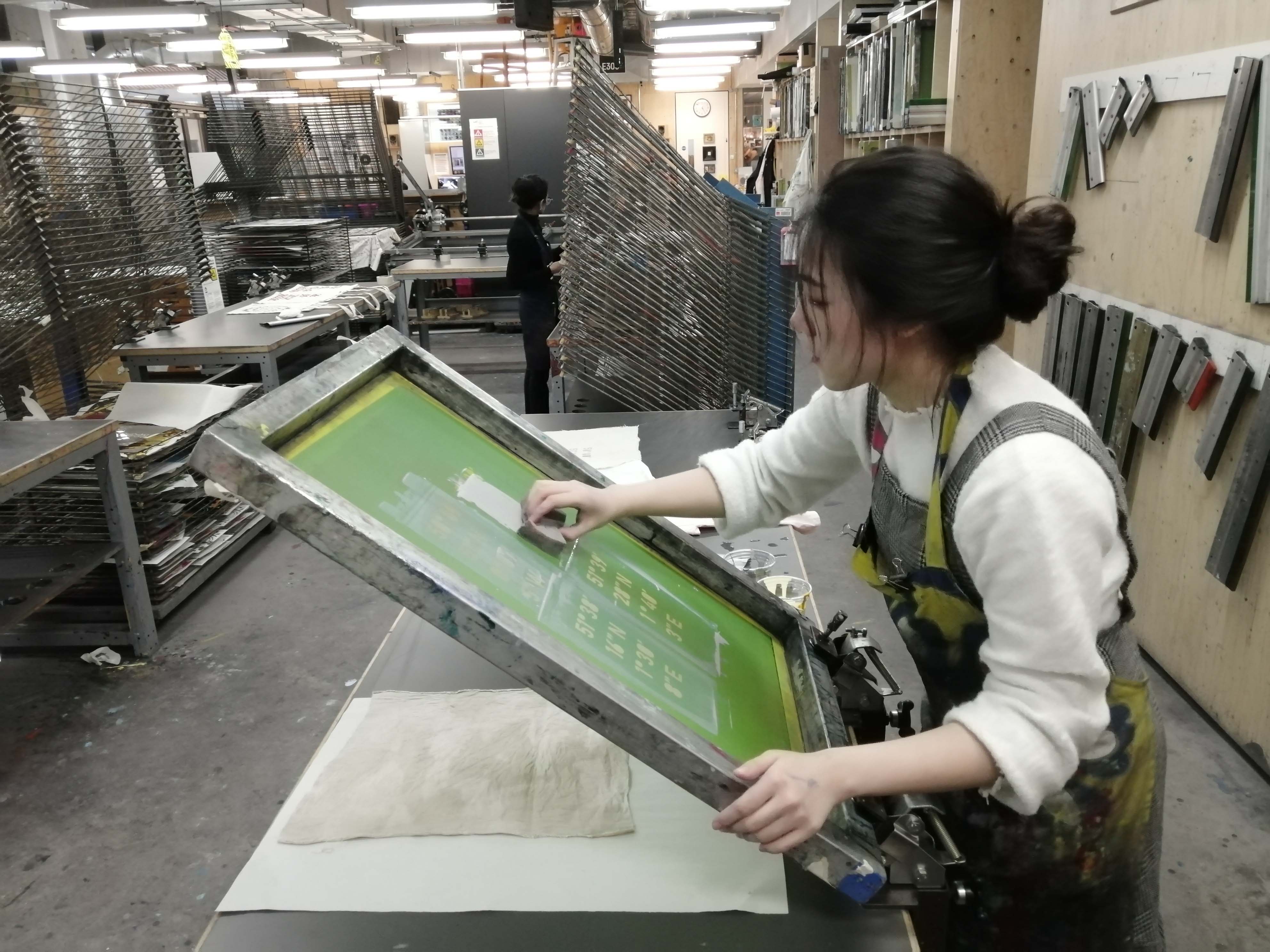
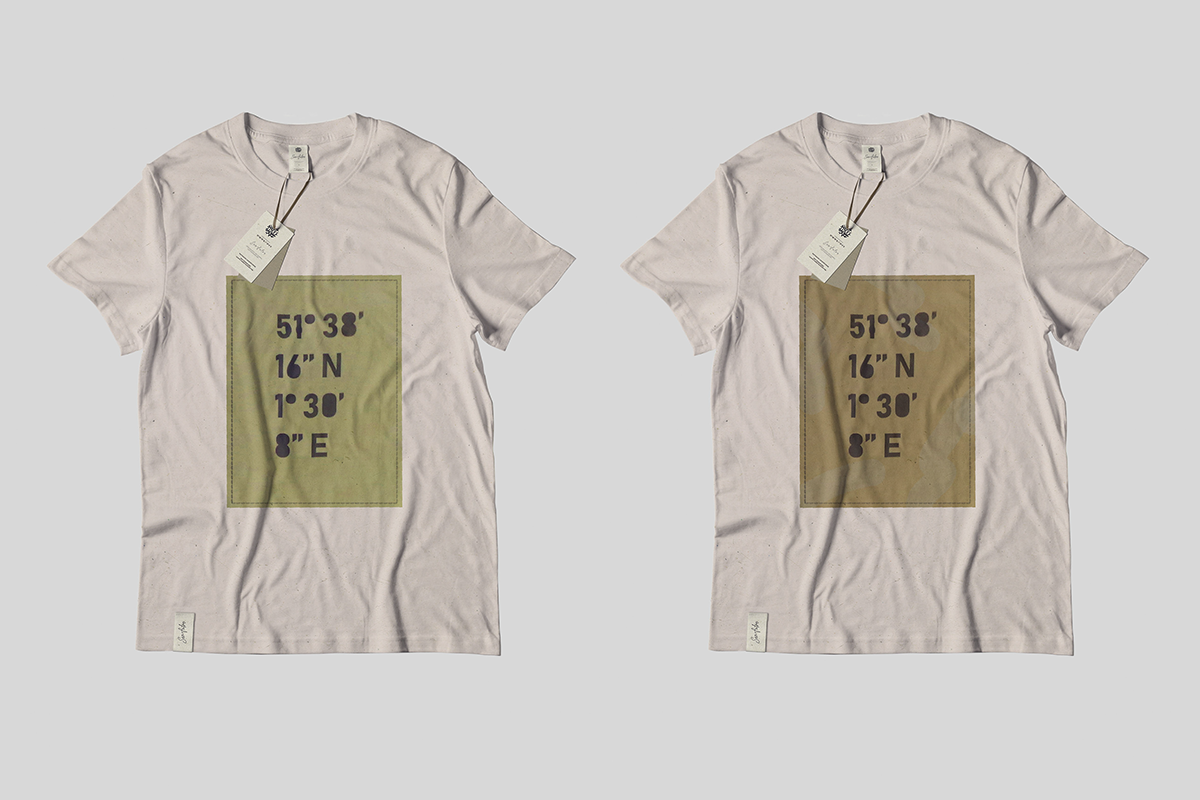
SeaFuture is a research-driven fashion material project that reimagines the everyday T-shirt through salt-tolerant crops, seaweed waste, and the ecological limits of freshwater use. Developed as a freshwater-free garment, the project uses fibers derived from salt-tolerant plants and coloration from discarded seaweed, proposing an alternative material pathway for clothing shaped by resource scarcity and circular thinking. Rather than treating sustainability as an invisible technical improvement, SeaFuture brings environmental conditions into the life of the garment itself. The T-shirt gradually changes color over time, allowing wear, transformation, and duration to become part of its appeal. In this way, the project challenges fixed ideas of newness and permanence in fashion, and instead frames clothing as something that can age, shift, and remain desirable through change. SeaFuture explores how fashion might move towards a more regenerative relationship between body, material, and environment. The project was commended for the Royal Society of Art Student Design Awards 2020 in the Circular Fashion category.
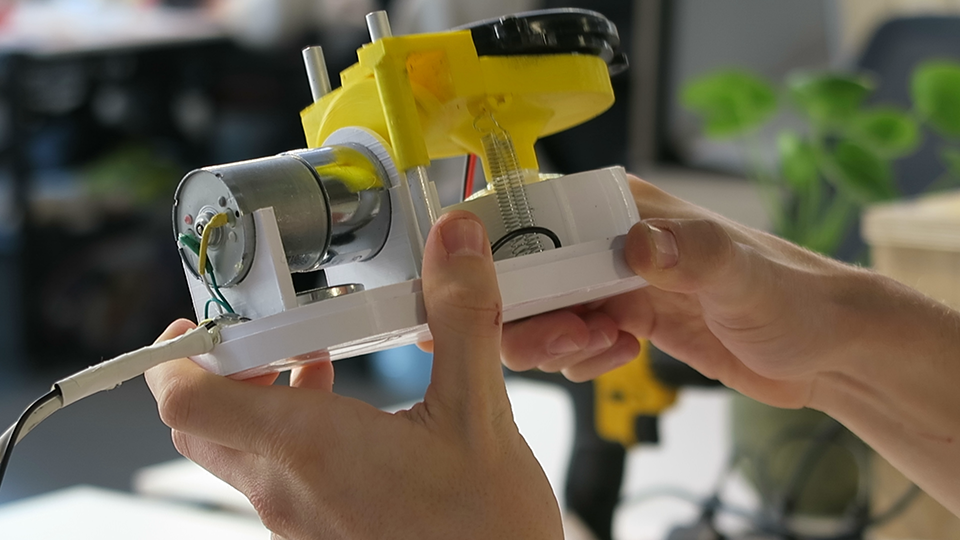
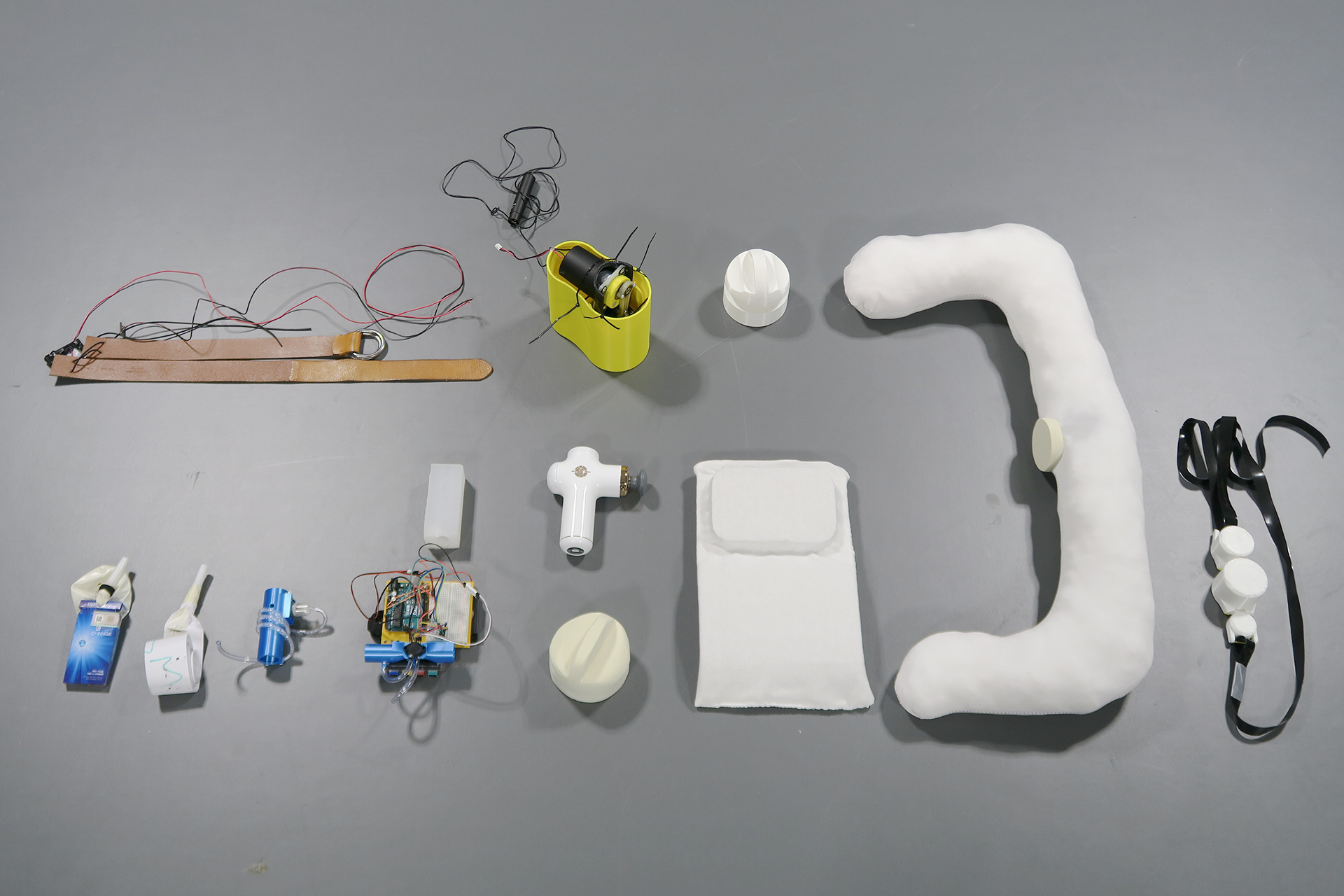
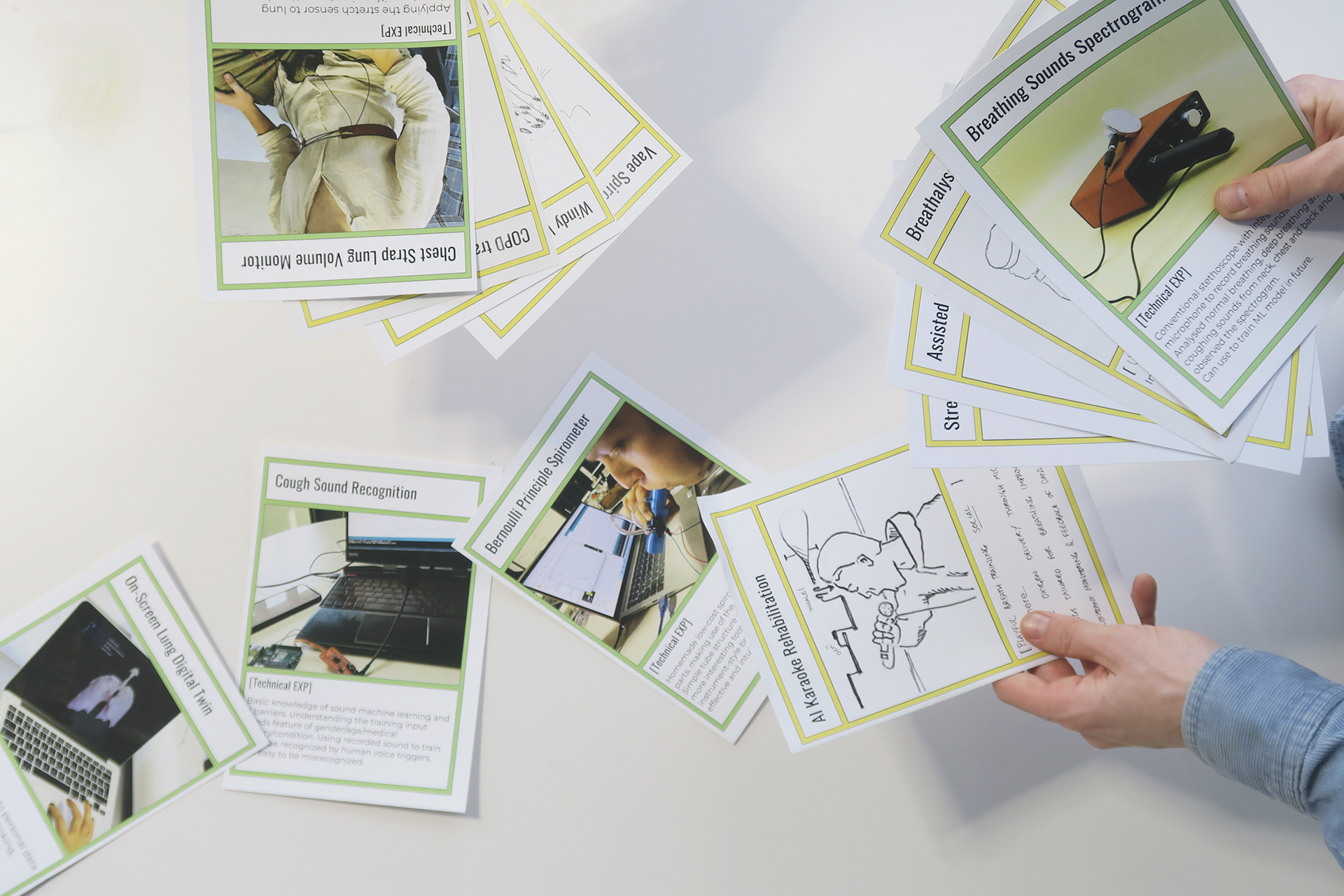
Pleural is a research-driven smart mucus clearance system developed by Yihan Dong, Daniel Hale, Fergus Laidlaw, and William Eliot for people living with chronic respiratory conditions marked by excess mucus, breathlessness, and recurring infection. Combining percussion, vibration, and intelligent feedback, the project brings chest physiotherapy into the home as a more autonomous form of everyday care. Developed through user interviews, experimental prototyping, and clinical testing, Pleural focuses on making respiratory care more accessible, less uncertain, and better integrated into daily routines. Rather than treating mucus clearance as an occasional clinical intervention, the project reframes it as a continuous relationship between body, device, and self-management. In doing so, Pleural reflects a broader design interest in making hidden bodily struggles more legible and transforming them into more supportive, human-centered care systems. The project received the Dyson Award UK National Winner, multiple international design awards, over £20,000 in funding, and press coverage including Dezeen, The Times, Evening Standard, Sky TV, and BBC TV.
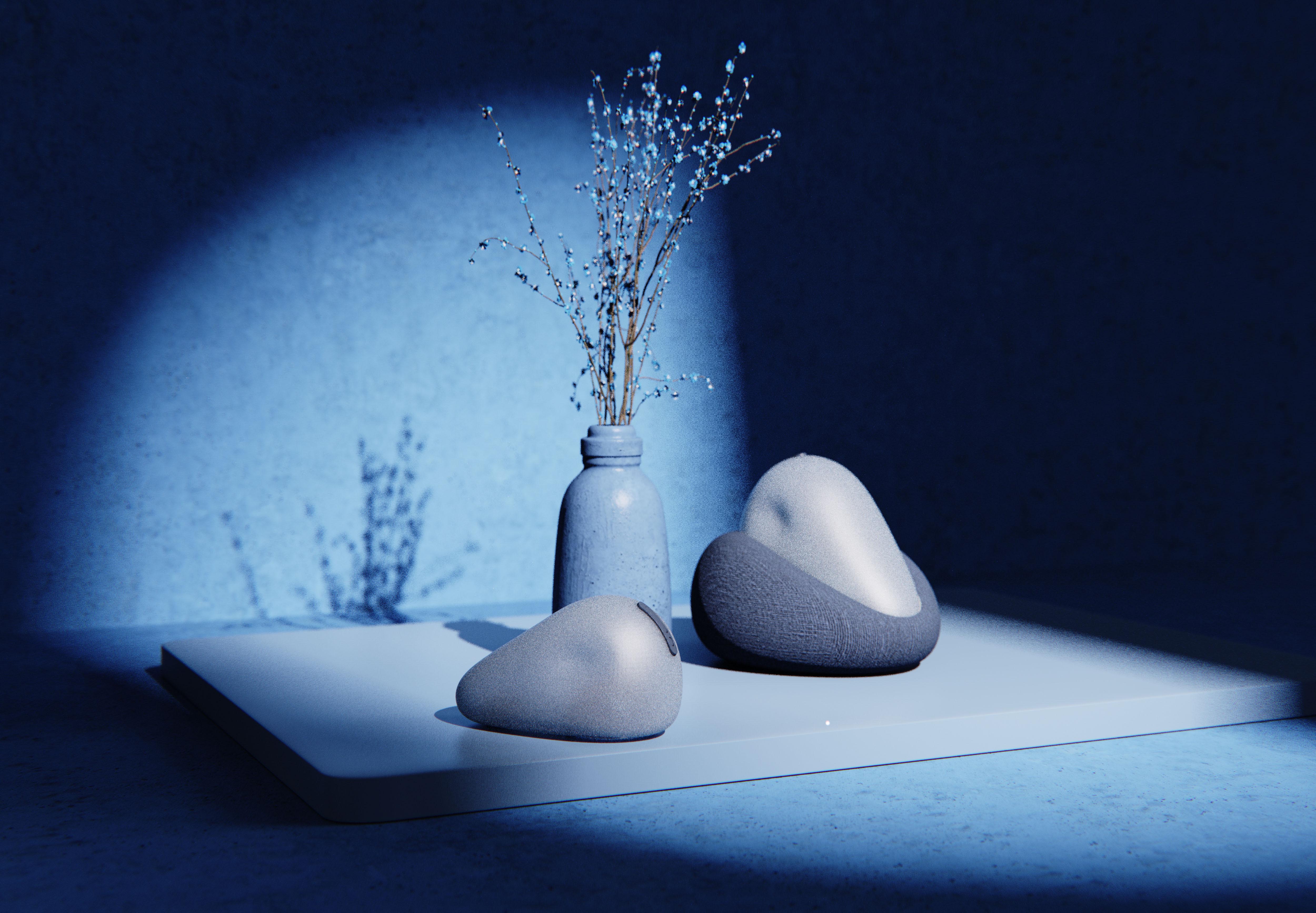
Held in Air is a collaborative project developed through AcoustoFab and the UCL Multisensory Devices Group, investigating acoustic levitation as a new design medium. Using sound waves to suspend and move droplets or particles without contact, the project explores how invisible force fields might become part of future material systems across food, agriculture, laboratory practice, and healthcare. Through industrial design development, visualization, and speculative application thinking, Yihan Dong helped make this research more legible beyond the laboratory. Here, levitation is not treated simply as a technical novelty, but as a way of reimagining how matter can be held, guided, and transformed through unseen forces. Held in Air reflects a broader practice concerned with materializing the invisible and making hidden physical systems perceptible through design.
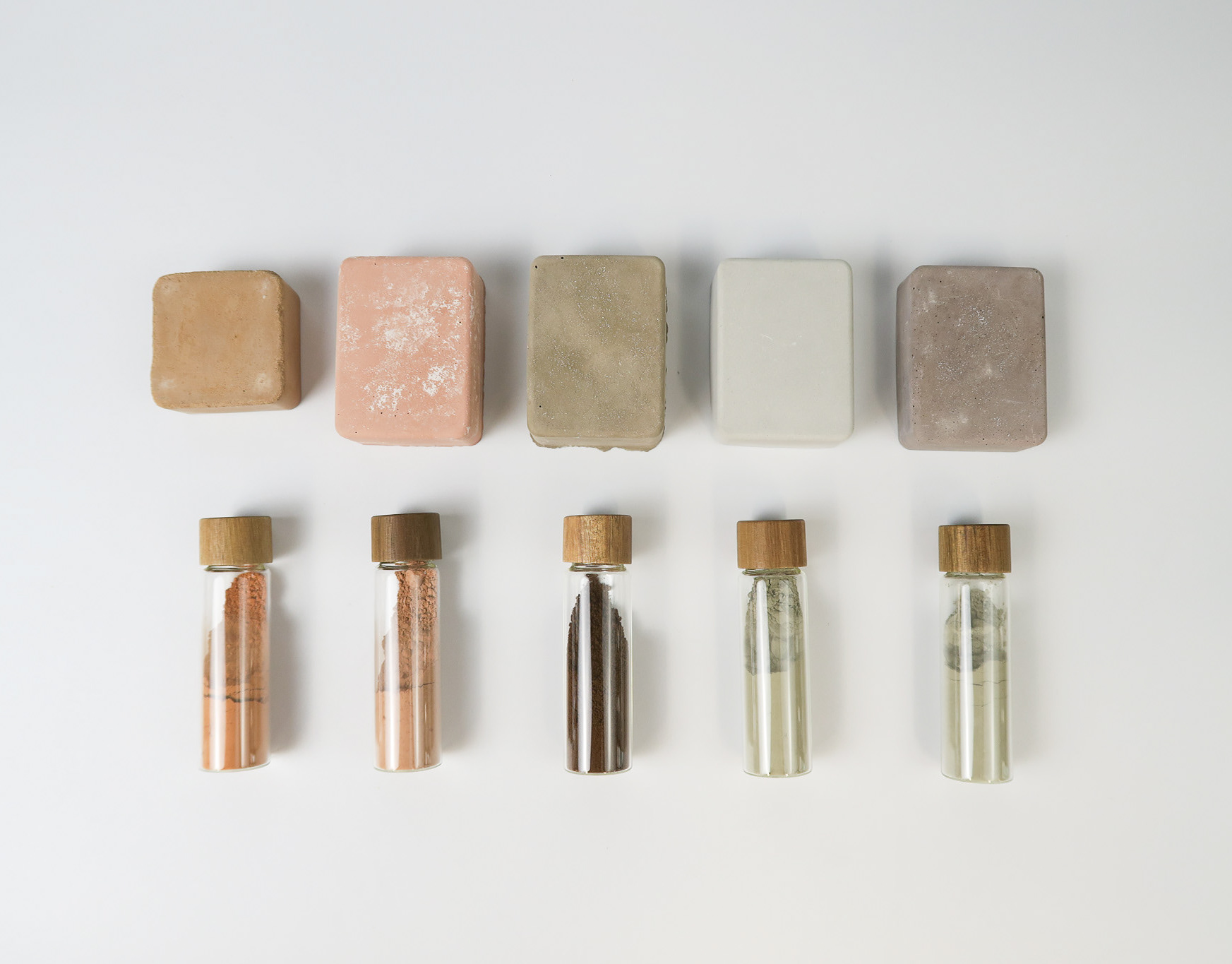
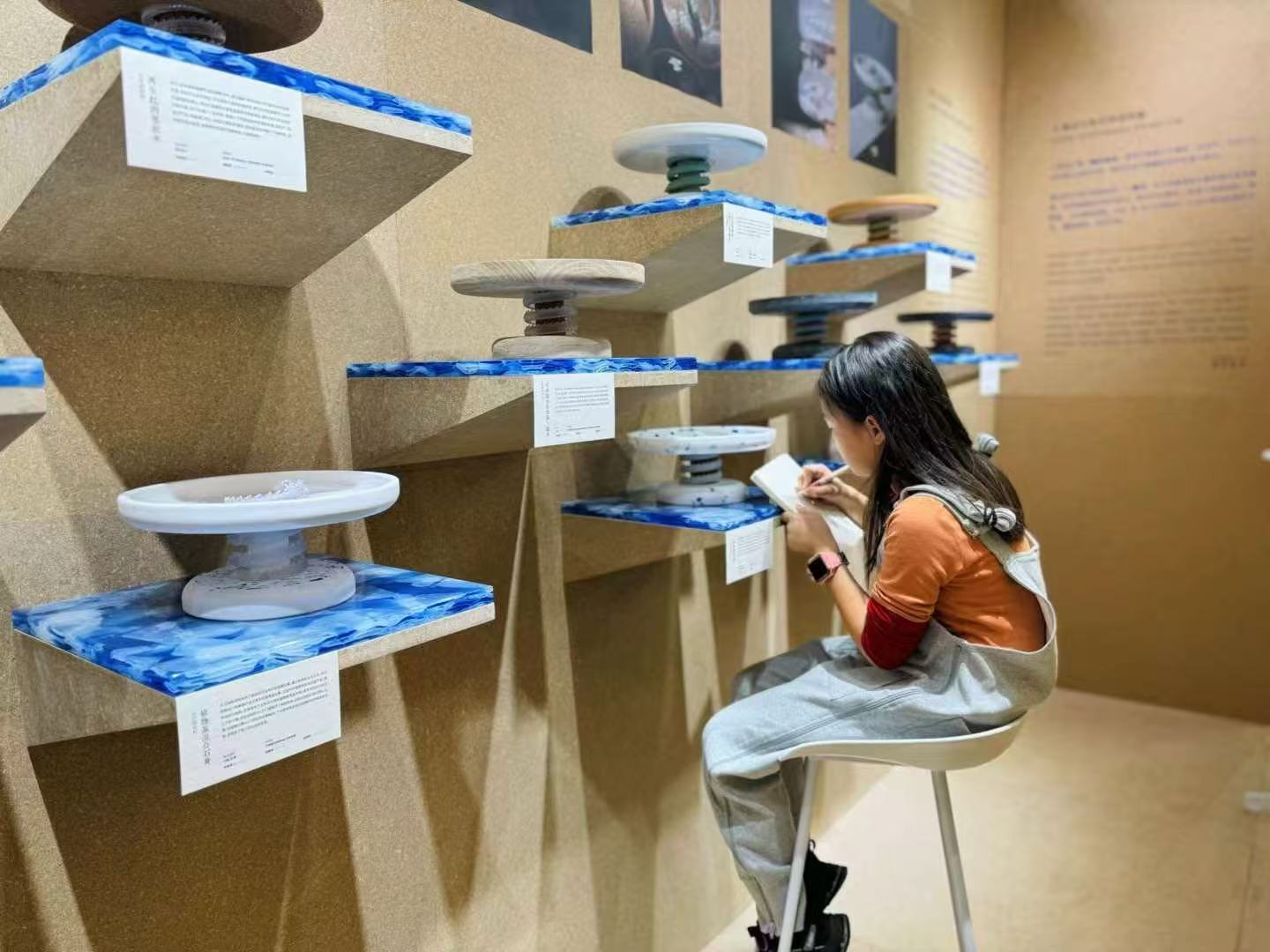
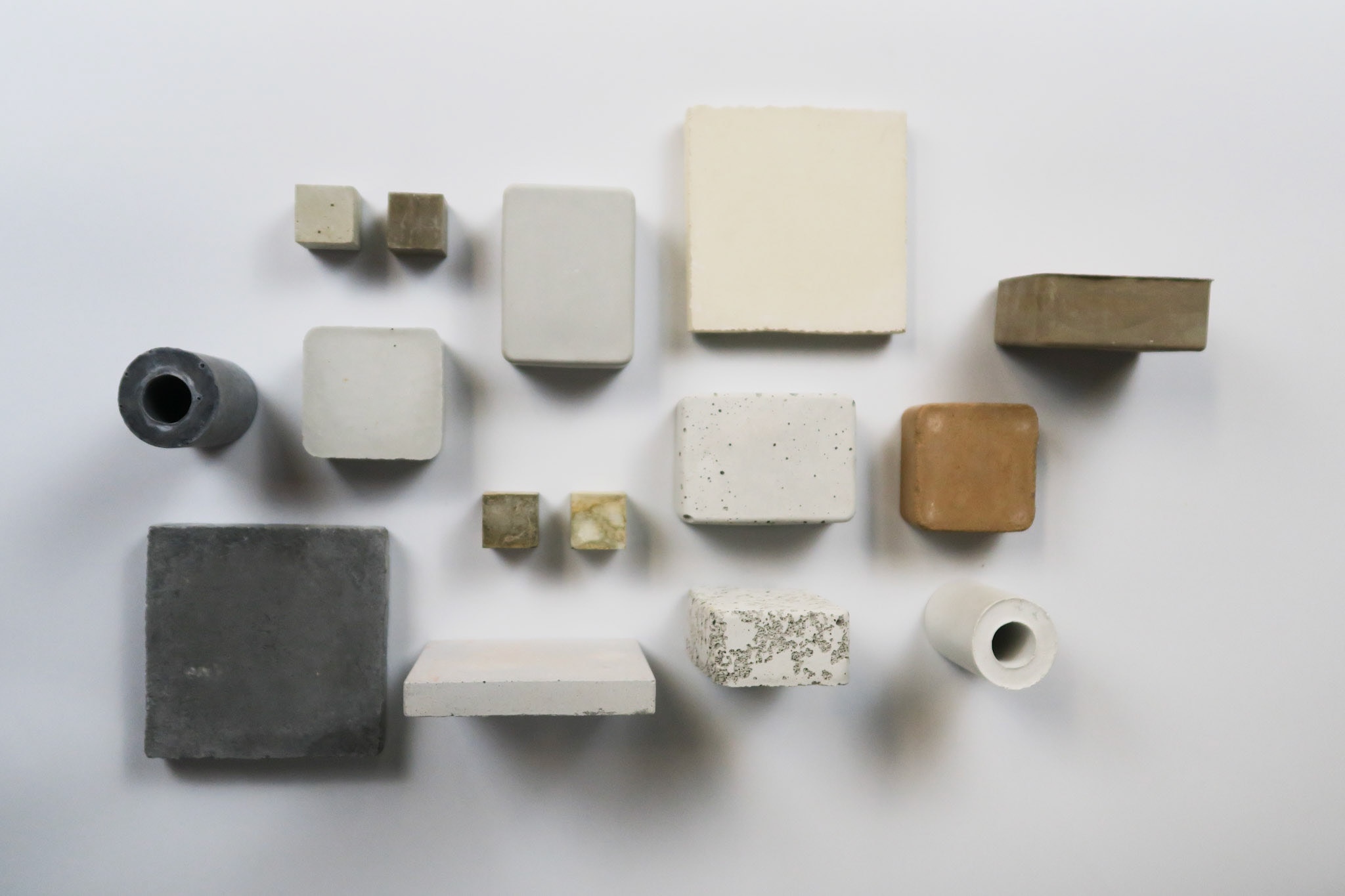
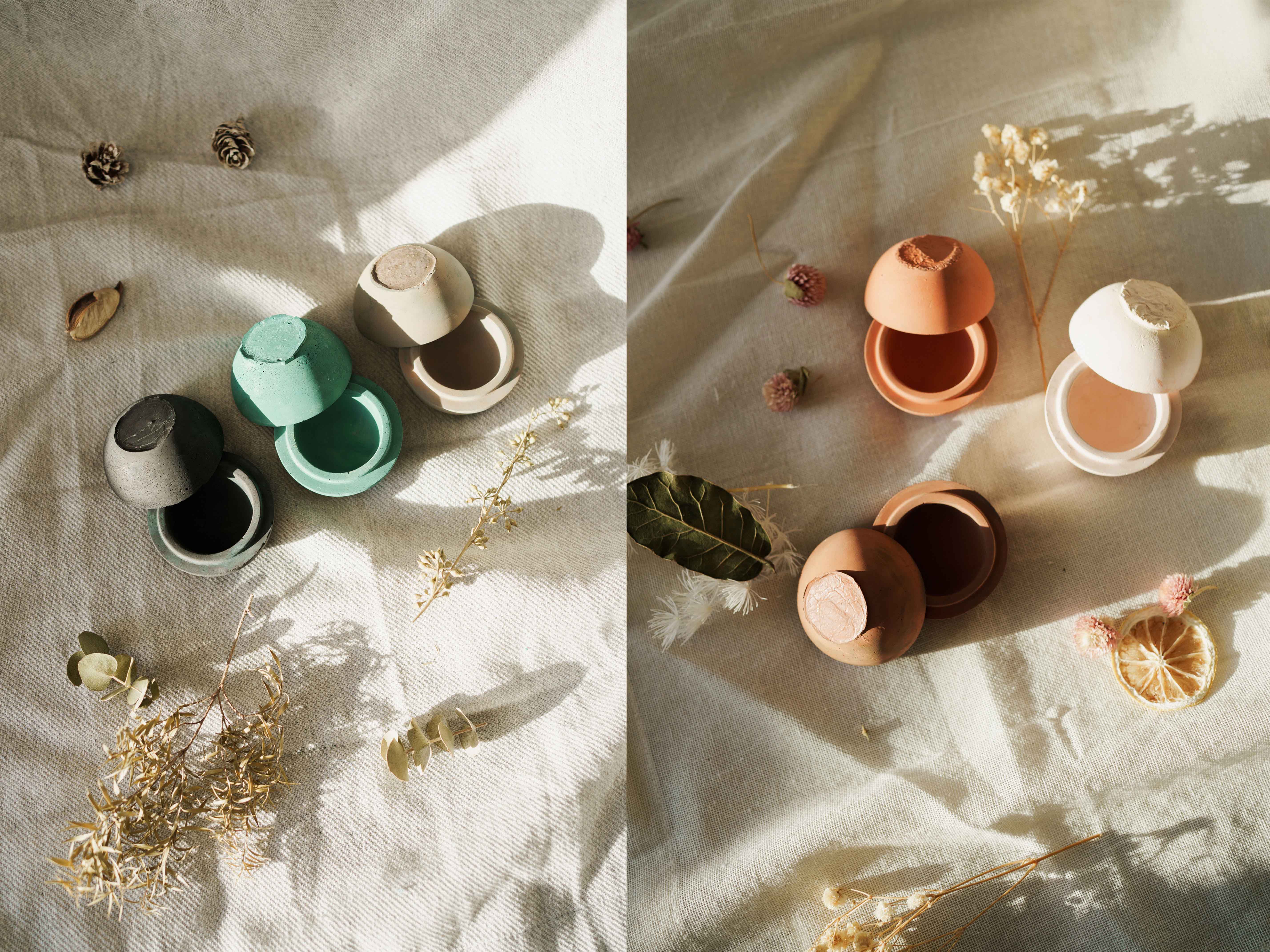
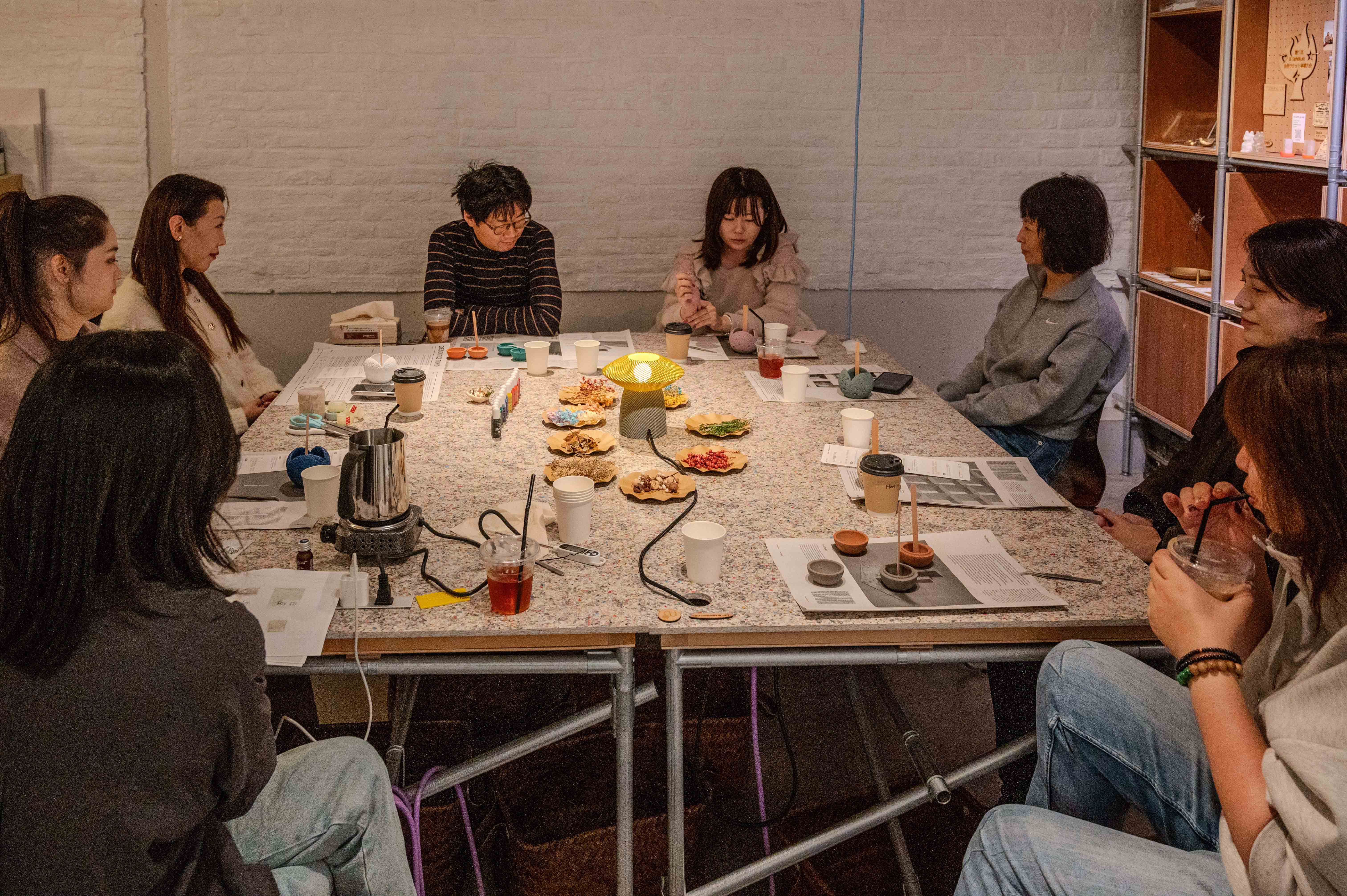
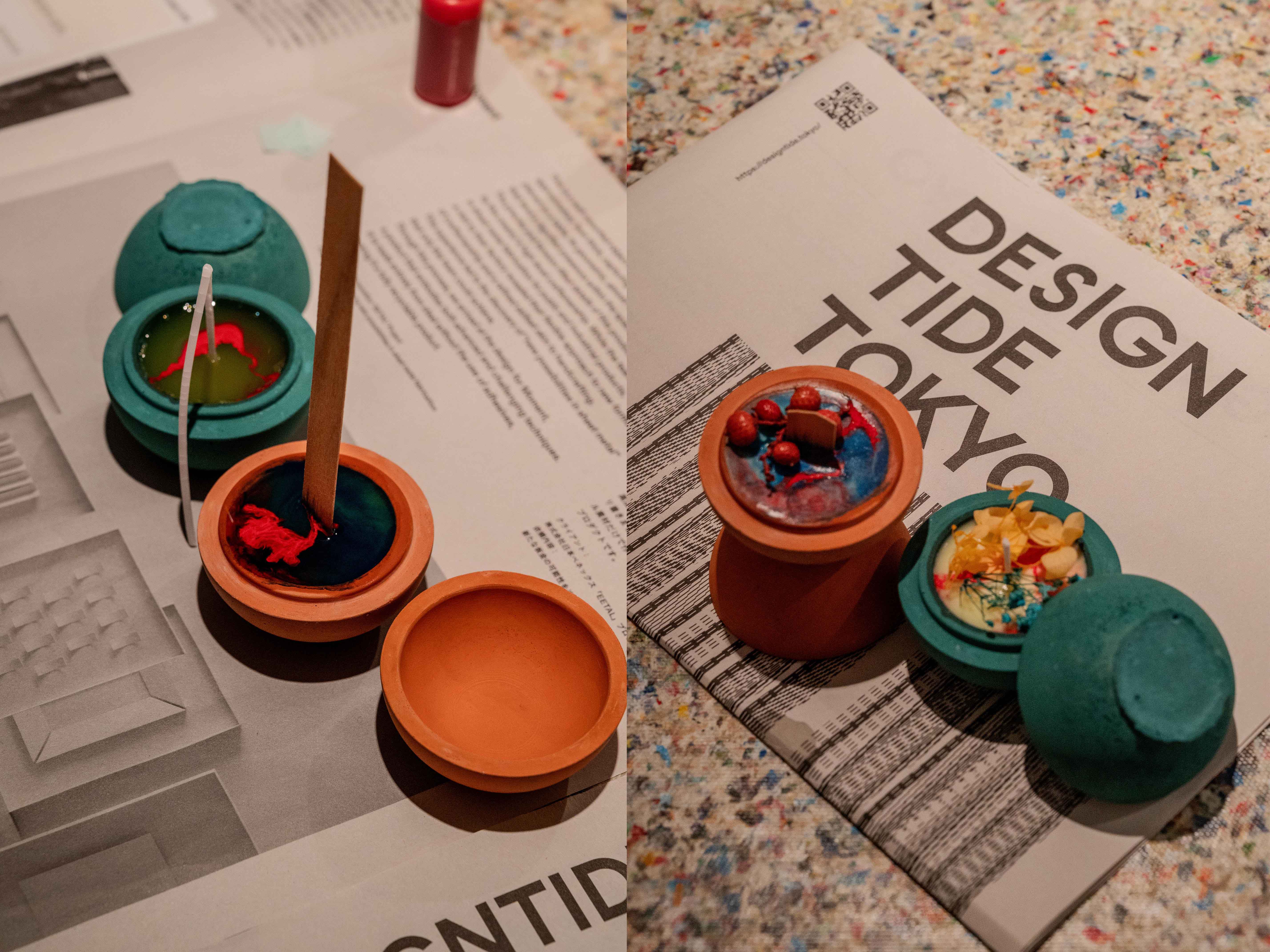
Re-Block Series is a research-driven material and product series initiated and led by Yihan Dong in collaboration with Dr Zhicheng Liu at a UCL Civil Engineering lab and sponsored by Shanghai Design Week. The project begins with one urgent question that how might the waste produced by industry and construction become part of a lower-carbon material future? Working with waste streams including fly ash, red mud, phosphogypsum, slag, coffee grounds, and recycled aggregate, Re-Block develops alternative concrete formulas that transform discarded matter into new surfaces, objects, and architectural possibilities. By combining industrial by-products with a curing process capable of capturing carbon, the material significantly lowers emissions associated with conventional concrete and points towards a more regenerative material logic. This research has developed into a series of outcomes, including Long Pan for Shanghai Design Week, a self-initiated material kit, and a sculptural aroma holder later introduced through a workshop in Tokyo. The project has been exhibited at Material Matters during the London Design Festival (London, 2024), Shanghai Design Week: Continuum (Shanghai, 2024), GreenGrads (London, 2024), and The Great Exhibition Road Festival (London, 2024) and received the Tecno SustainTech Competition: Best Pitch award.
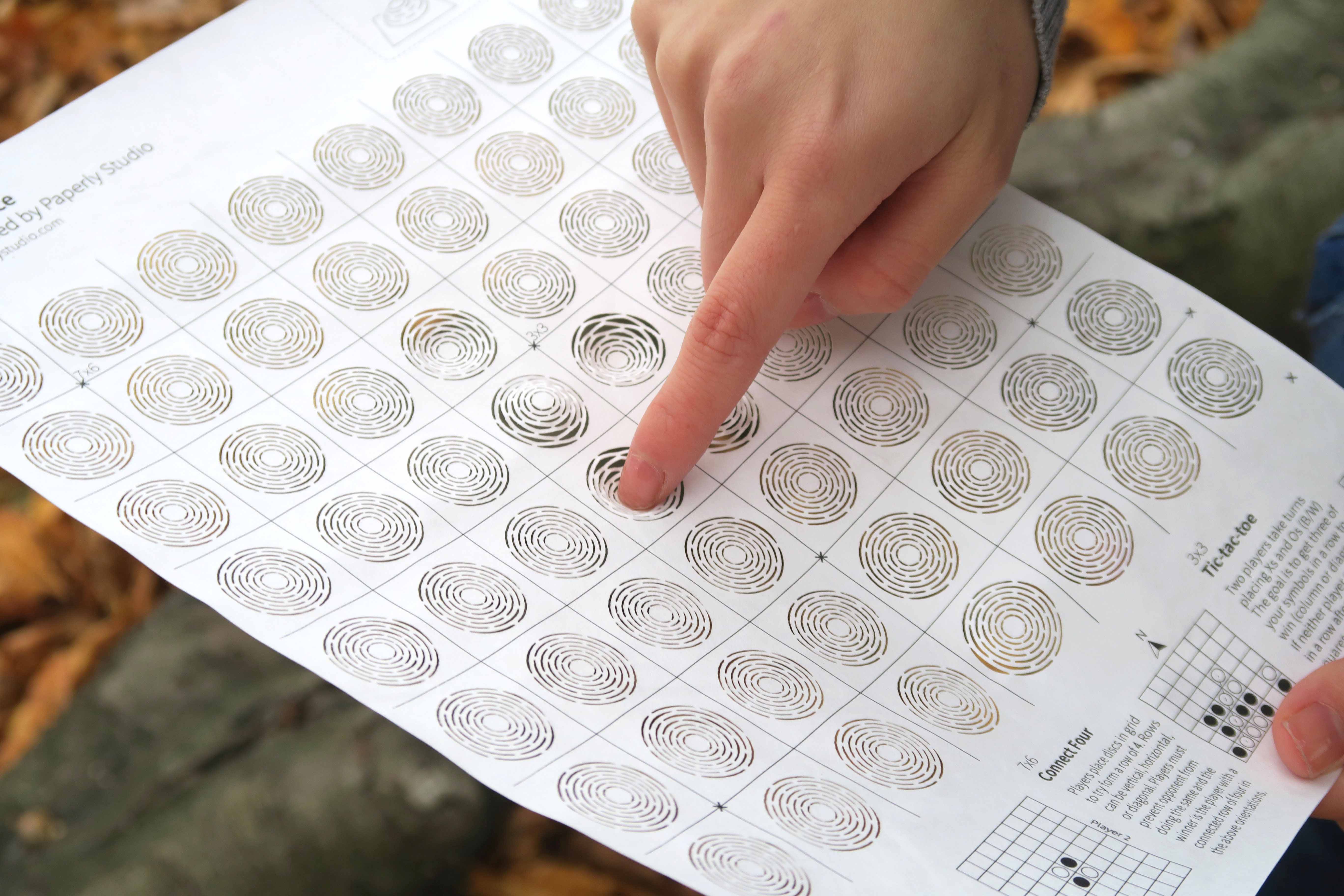
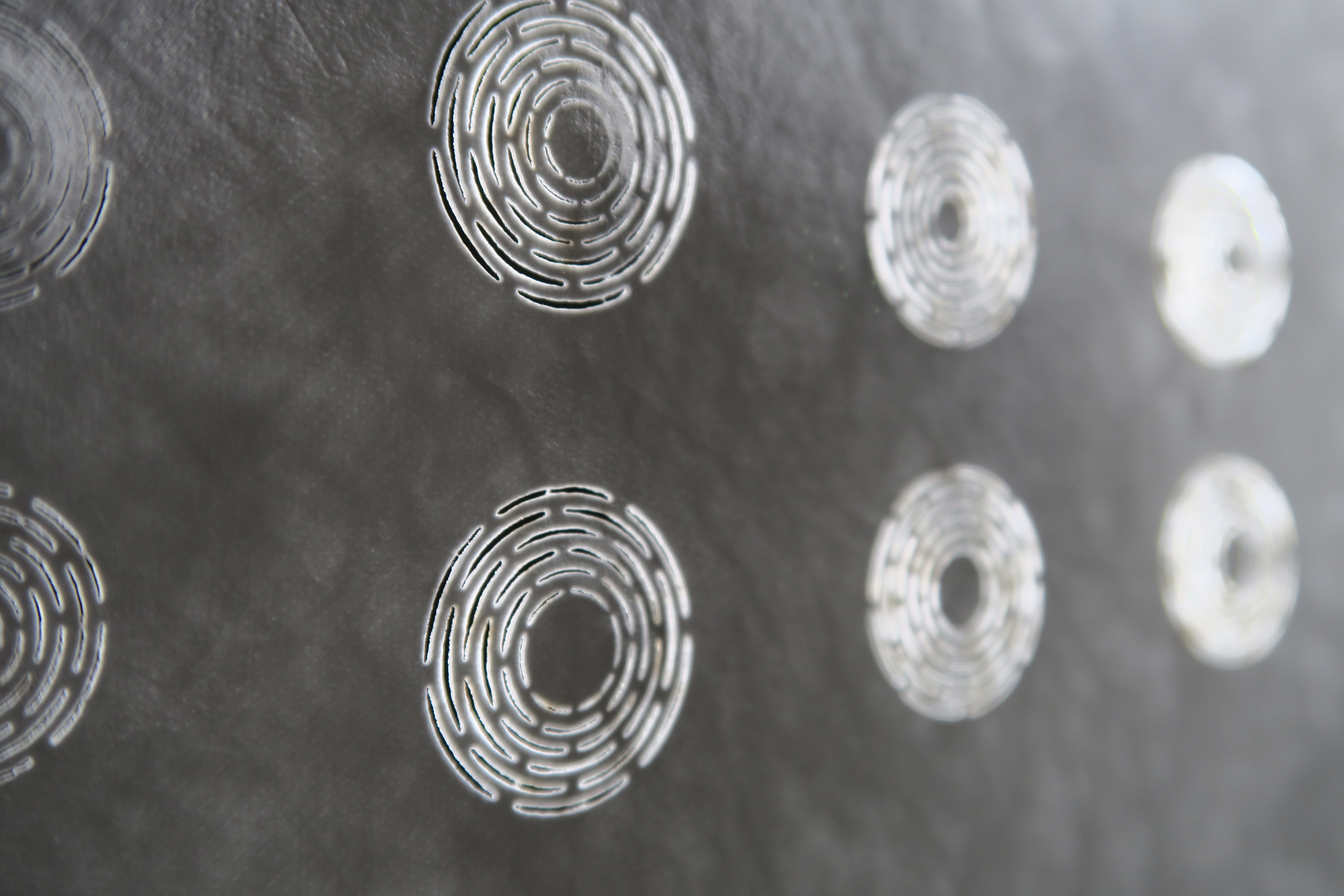
PlayPiece is a paper-based board game co-designed by Yihan Dong, Kara Wong, and Dian Lin, exploring how lightweight materials can support more inclusive, portable, and tactile forms of play. Made from a single sheet of Tyvek, the project combines paper-cutting logics with laser fabrication to create push-and-pull patterns that form the game pieces directly within the board itself. By removing the need for separate components, PlayPiece rethinks board games as compact systems of material interaction—easy to carry, intuitive to use, and open to different players and settings. Its transformable surface supports familiar games such as Tic-tac-toe, Connect Four, and Reversi, while also inviting a more direct engagement with touch, structure, and movement. In this way, the project treats paper not as a passive surface, but as a responsive medium through which play, accessibility, and interaction can emerge together. PlayPiece received a Special Mention in the DuPont Tyvek Design Award 2023.
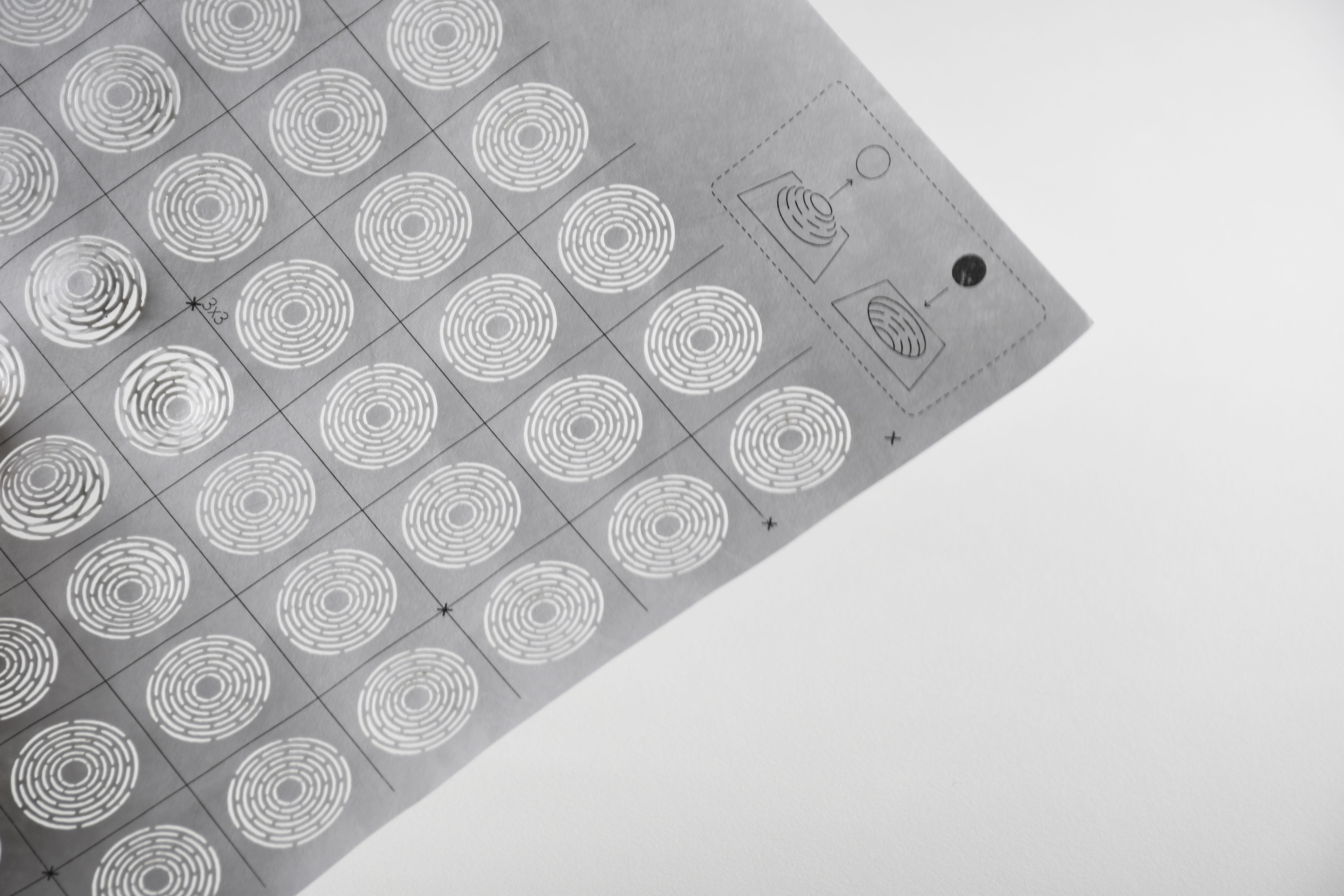
Yihan Dong’s practice is grounded in research-driven design, using material experimentation, prototyping, public engagement, and speculative visualisation to make hidden conditions more tangible. Rather than beginning from a fixed discipline or product type, the work develops through situations in which something critical remains overlooked, whether bodily, ecological, sensory, or infrastructural. Across these contexts, design is used not only to solve problems, but to reveal, question, and reframe what is often ignored, undervalued, or difficult to sense. This has led to a practice that moves between research products, collaborative making, playful learning, and public engagement. The approaches below offer a brief overview of how this work takes shape.
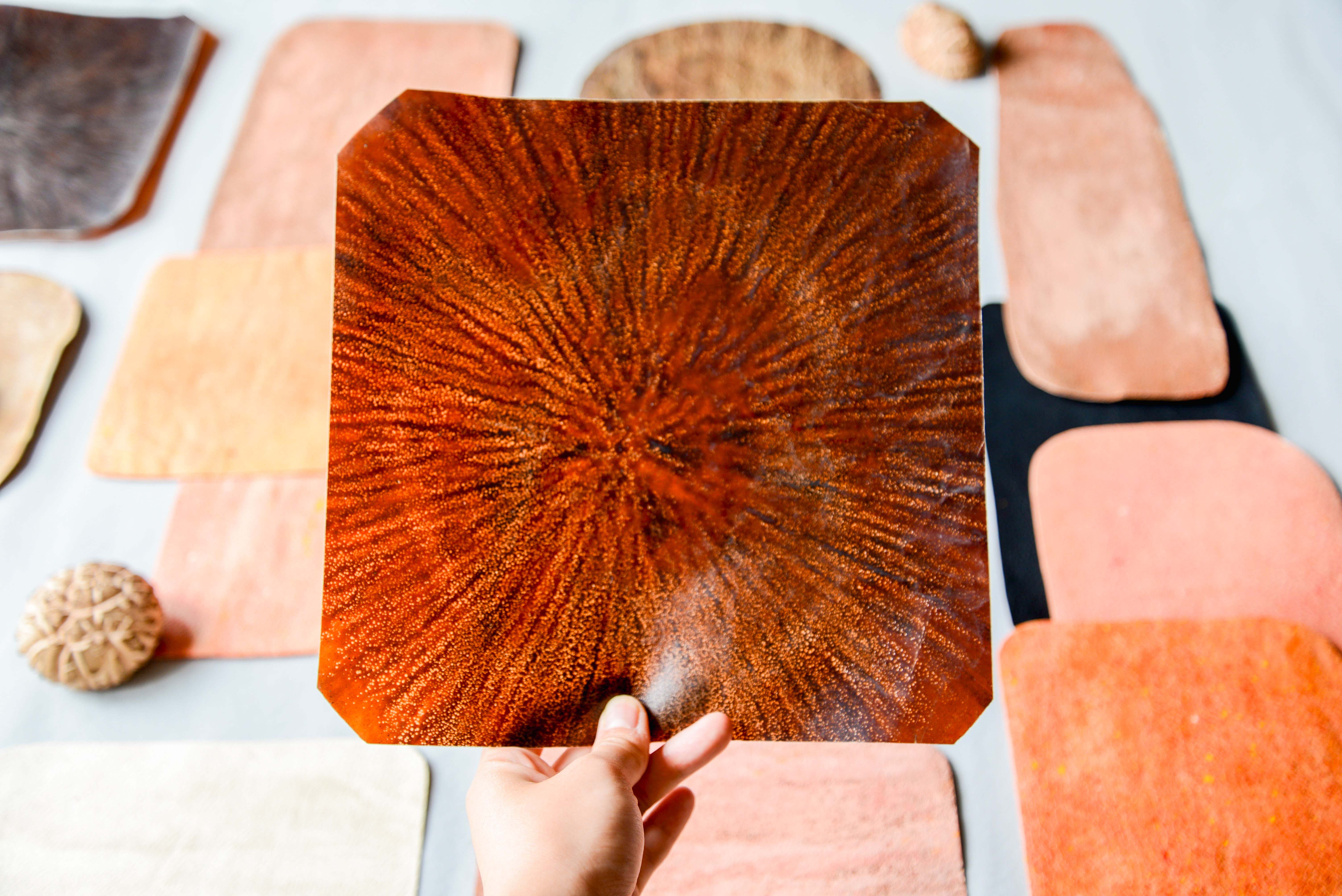
Material is treated as a site of research rather than a neutral surface. Projects often begin with overlooked, unstable, or undervalued matter, such as sludge, seaweed, mushroom leather, or menstrual blood, and develop through testing, transformation, and form-making.
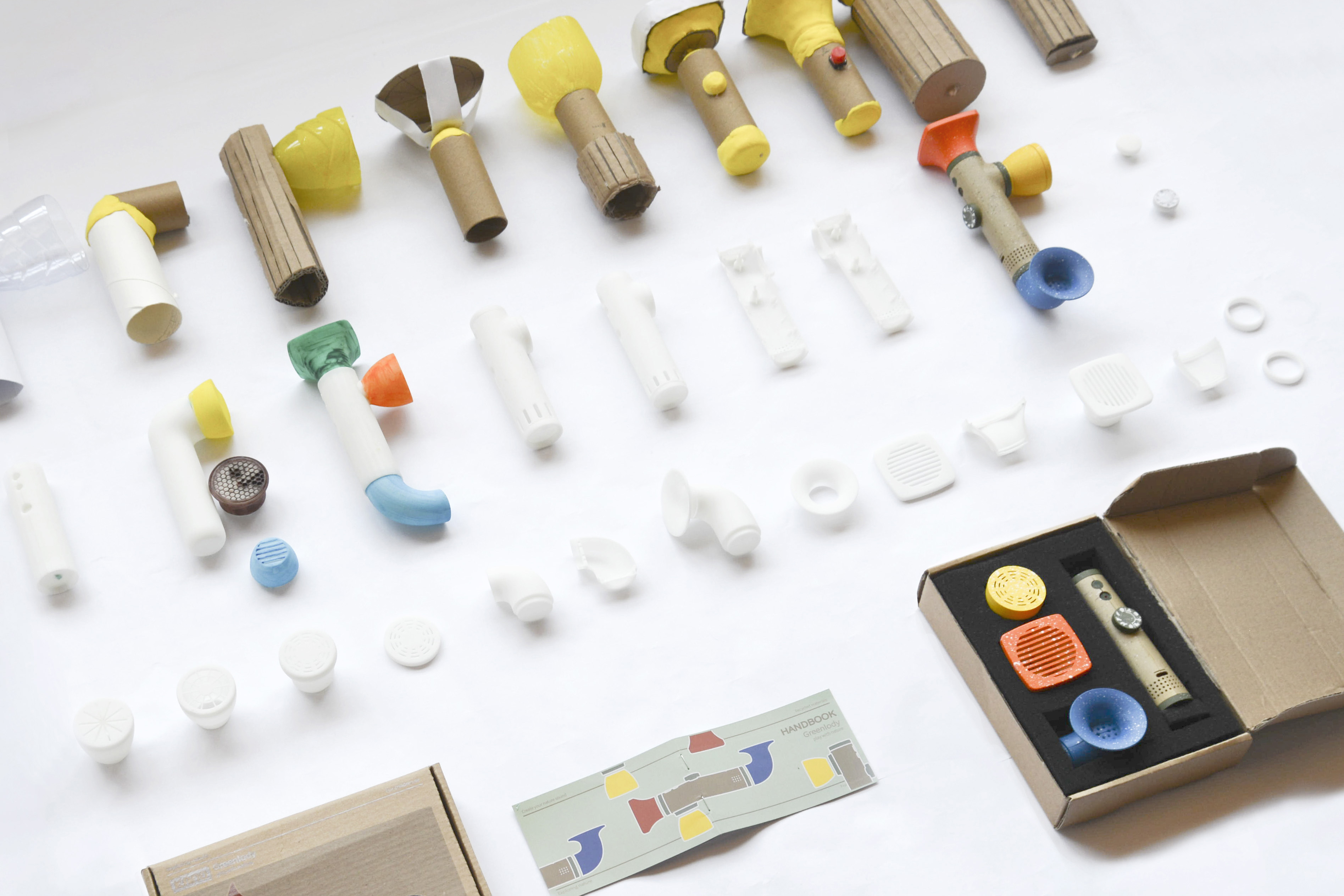
Digital making is central to the practice. Through 3D printing, laser cutting, physical computing, and code experimentation, ideas are translated into interactive, testable, and tangible forms.
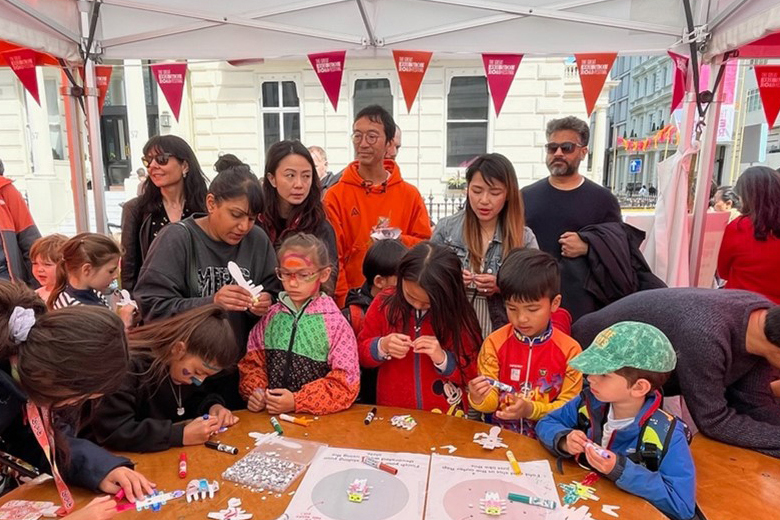
Public engagement is used as an active part of the design process. Through workshops, focus groups, participatory tools, and exhibition formats, projects open dialogue around topics that are often overlooked, difficult, or socially silenced.
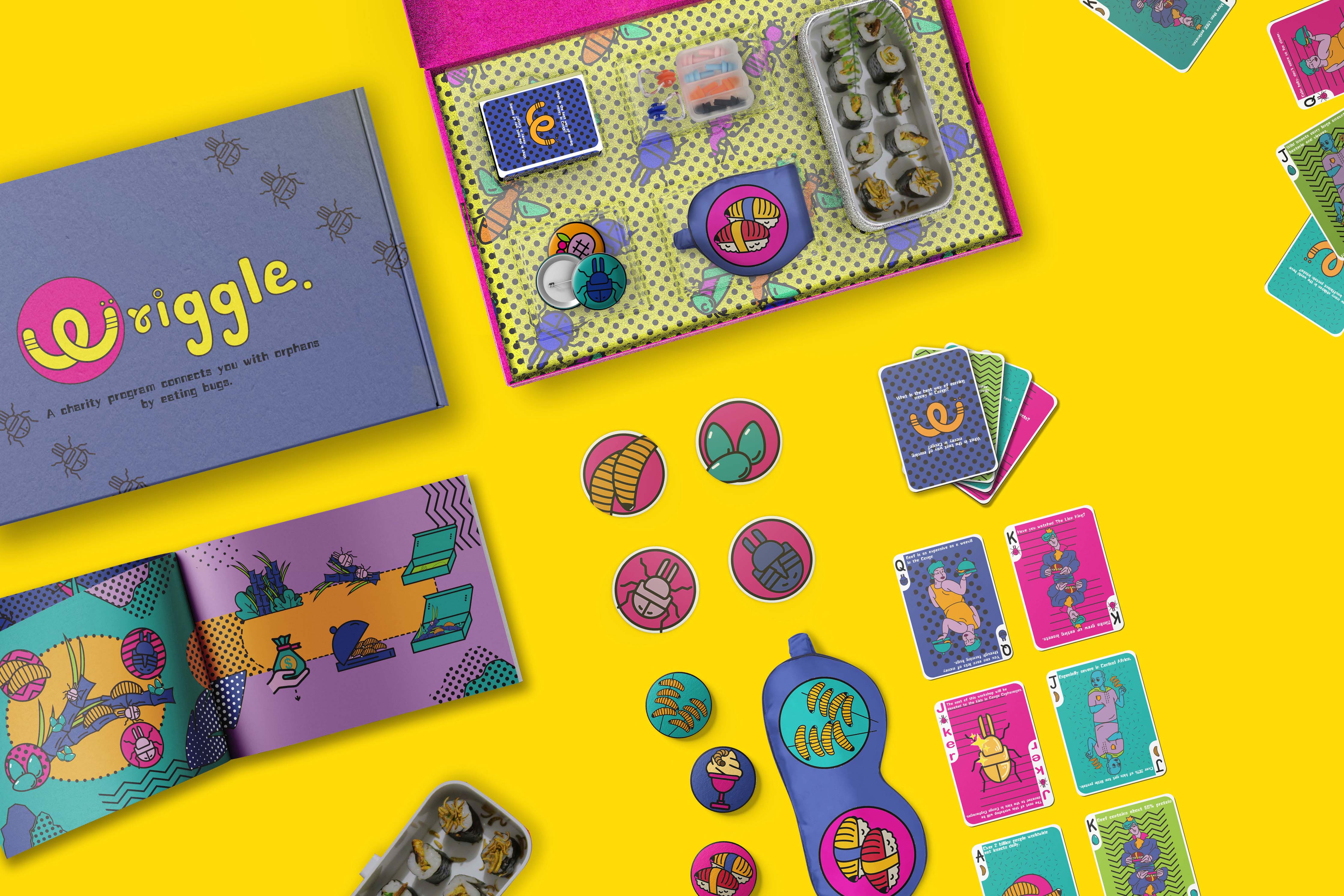
Play is approached as a serious mode of inquiry. In projects for children, families, and wider publics, playful interaction supports curiosity, experimentation, and sensory attention to engineering, ecology, and shared everyday systems.
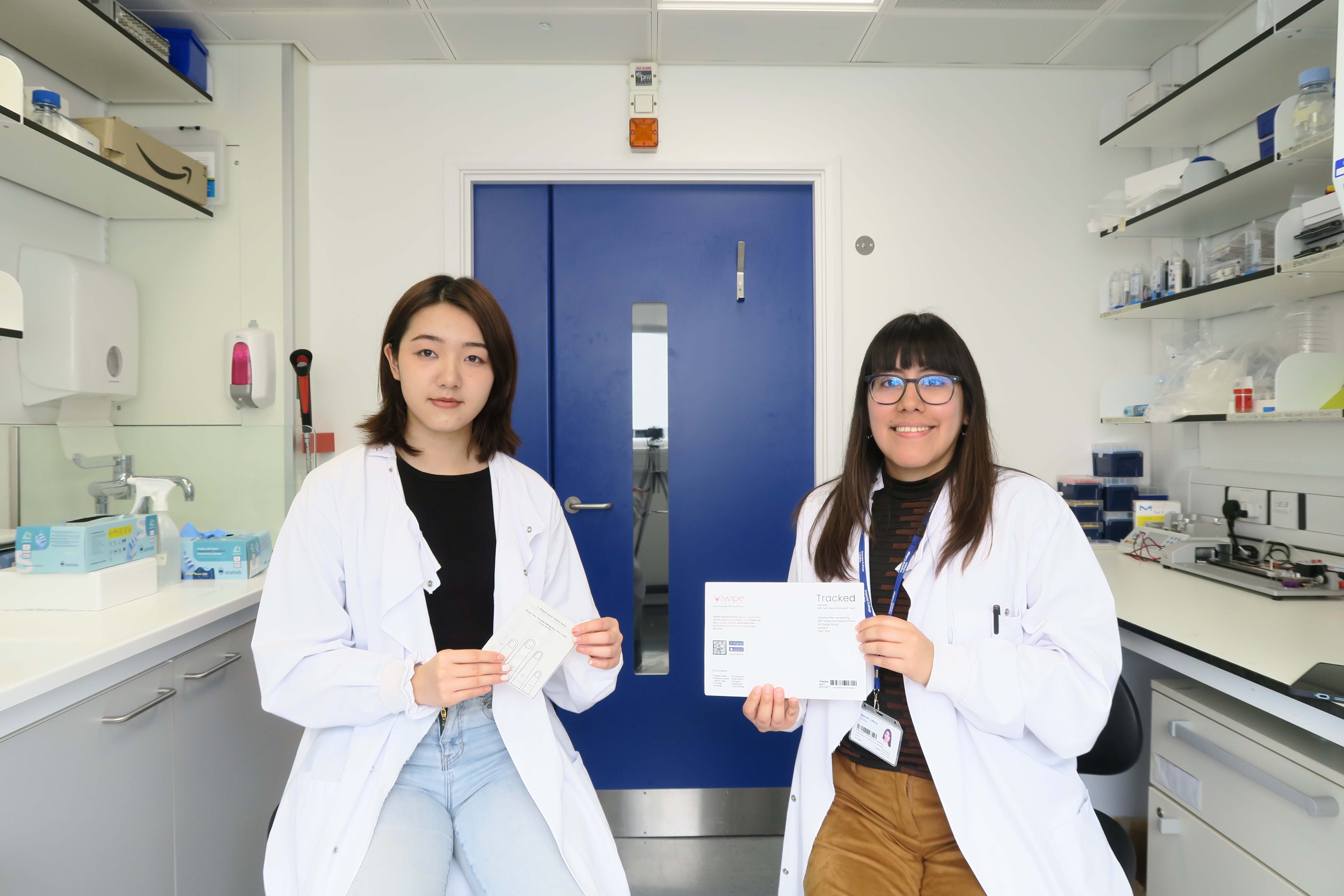
Many projects are developed through collaboration with scientists, engineers, and laboratory researchers. Design is used here not only to communicate technical knowledge, but to extend it into more experiential, accessible, and future-facing forms.
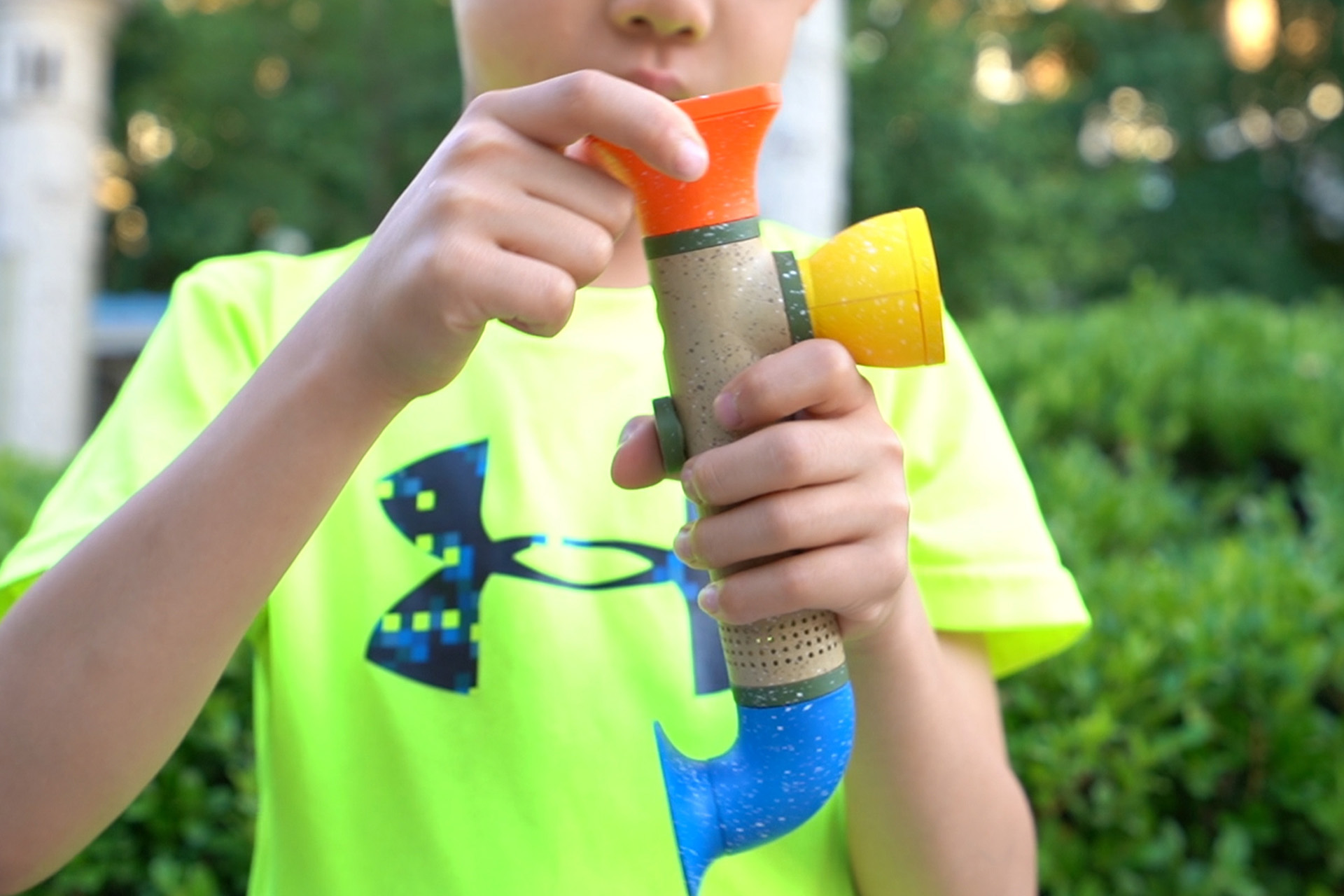
The work often takes the form of research products: devices, kits, artefacts, prototypes, and systems developed enough to be experienced, discussed, tested, or lived with. These function as material arguments as much as outcomes.
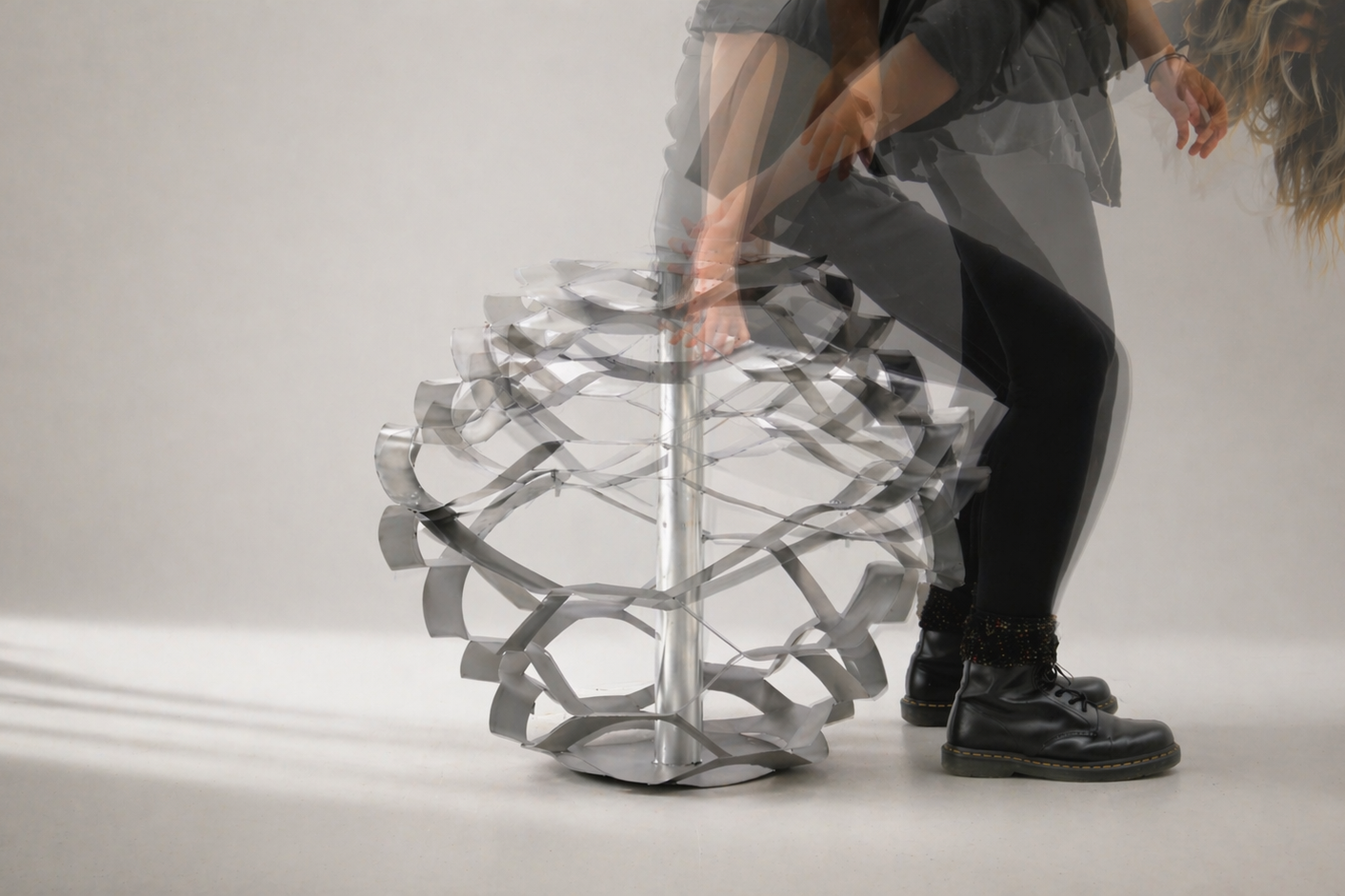
The body is central to the practice, whether as a site of care, perception, discomfort, adornment, or interaction. Projects often ask how hidden bodily conditions, rhythms, and needs can become more legible through design.
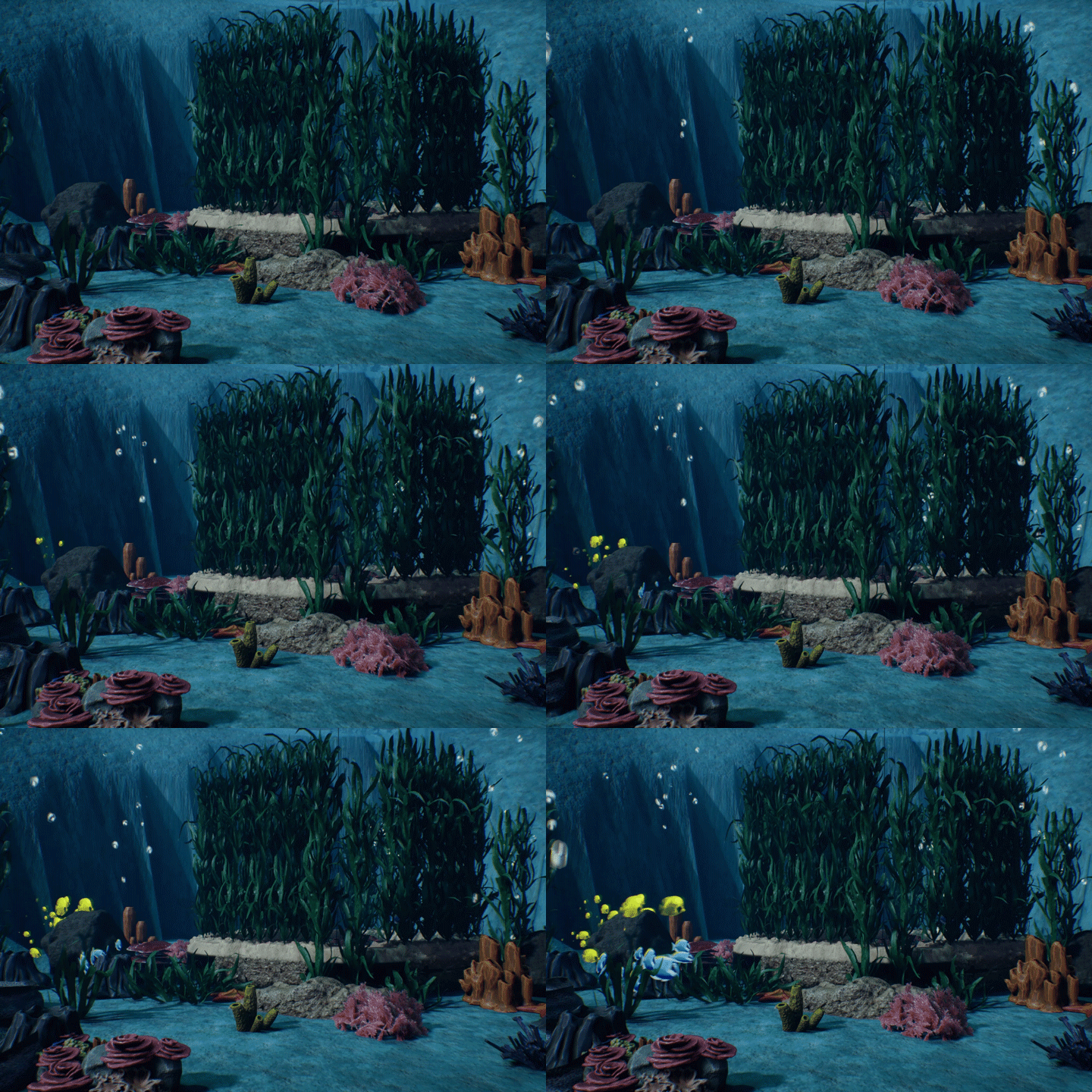
Renderings, diagrams, films, VR scenes, and staged imagery are used to make unseen systems and future possibilities more perceptible. Visualisation is treated not simply as communication, but as part of the design process itself.
Yihan Dong’s work is recognised through awards, funded research, publications, press, and exhibitions. These contexts allow projects to circulate across public, academic, and cultural settings, extending their impact beyond their original site of development.